
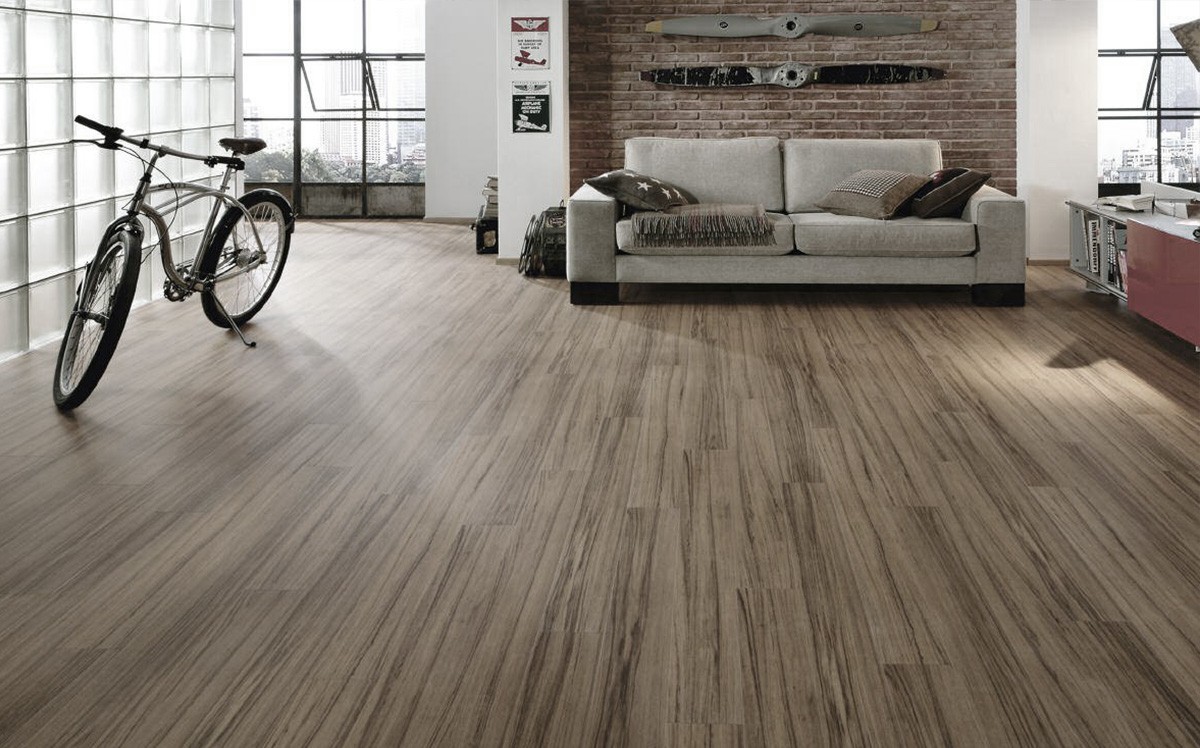
Floor care tips for laminate flooring
Last Updated on November 17, 2025 by Jeff Cappon
Floor Care Tips: The Ultimate Guide to Cleaning & Protecting Laminate Floors
Laminate flooring is known for its durability, beauty, and cost-effectiveness—but only when it’s cared for properly. Many homeowners assume laminate is difficult to clean, but with the right floor care tips, you can keep your floors looking brand new for years. The key is understanding what cleaning methods work, what tools to avoid, and how to prevent long-term damage.
If you’ve struggled with streaks, residue, or dulling floors, don’t worry—you’re not alone. Below is the complete guide to caring for your laminate flooring, extending its life and preserving its shine.
Why Laminate Flooring Requires Specific Care
Unlike hardwood, laminate is a layered synthetic floor that contains a photographic surface layer. This means:
- It cannot be refinished like hardwood.
- Moisture must be carefully controlled.
- Abrasive tools can permanently damage the top layer.
With that reality in mind, it’s essential to follow proper cleaning methods—especially the ones recommended below by flooring experts.
Floor Care Tip #1: Don’t Sweep Your Laminate Floor
It seems natural to grab a traditional broom, but when it comes to laminate, a broom is one of the worst tools you can use.
Here’s why:
- Brooms leave behind fine particles that smear under a wet mop.
- Loose grit can scratch your laminate’s surface.
- Stiff broom bristles can create swirl marks.
Instead, flooring experts recommend using a dry dust mop or a microfiber mop. These tools trap dust rather than pushing it around, preventing scratches and streaks.
If you prefer using a vacuum, be sure to:
- Use the “hard floor” or “bare floor” setting
- Turn OFF the beater bar
- Avoid metal wheels that can scuff the surface
Vacuum rollers are notorious for causing tiny scratches. Over time, those scratches can dull your laminate’s protective coating.
Floor Care Tip #2: Use Less Cleaner—Not More
One of the most important floor care tips is understanding the amount of cleaning product you should actually use. Many homeowners believe that more cleaner equals a cleaner floor, but with laminate, the opposite is true.
Using too much cleaner leads to:
- Product buildup
- Dull, streaky floors
- Sticky or hazy residue
- Premature wear of the top layer
A light misting or a small amount of cleaner is usually more than enough. In fact, for most weekly cleanings, warm water is all you need to remove dust and fresh dirt.
It’s also crucial to choose the right type of cleaner. Some standard household cleaners contain chemicals that damage laminate—particularly ammonia-based products.
Safe Laminate Cleaner Options
- Cleaners labeled specifically for laminate floors
- Mild dilutions of white vinegar (only occasionally)
- Warm water with a microfiber mop
For more details on proper cleaning chemistry, the EPA offers a helpful primer on safe household cleaning ingredients:
EPA Safer Choice Certified Cleaners
Floor Care Tip #3: Avoid Excess Water
Laminate floors are vulnerable to moisture, which can seep into the seams and cause swelling or lifting. Never use:
- Wet mops
- Steam mops
- Bucket-style string mops
Steam and standing water will cause irreparable damage by weakening the core layers of laminate. Always use a lightly damp microfiber pad and dry any visible moisture immediately.
Floor Care Tip #4: Protect Your Laminate From Scratches
Scratches are one of the most common reasons laminate floors age prematurely. Luckily, preventing them is simple:
- Add felt pads under all furniture legs.
- Use rugs in high-traffic areas like hallways and entryways.
- Trim your pets’ nails regularly.
- Lift furniture—don’t slide it.
For enhanced protection, especially in mudrooms or kitchens, consider using water-resistant laminates from our Laminate Flooring Supply Collection.
Floor Care Tip #5: Clean Spills Immediately
Even though laminate has a protective surface, spills should never be left sitting. Liquids that seep into seams can cause bubbling or lifting.
Wipe up immediately:
- Water spots
- Pet accidents
- Beverage spills
- Cleaning solutions
For sticky spills, a damp microfiber cloth works best. Avoid abrasive scrub pads or scouring tools.
Floor Care Tip #6: Avoid Harsh Chemicals
Harsh cleaners may cause the laminate coating to break down or discolor. Do NOT use:
- Ammonia-based cleaners
- Pine oil
- Abrasive powders
- Bleach
- Dish soap mixtures
Dish soap can leave streaks; bleach and ammonia can erode the finish. Stick to laminate-safe solutions only.
Floor Care Tip #7: Use the Right Tools
Here are the tools you should always have on hand:
- Microfiber mop
- Dry dust mop
- Spray bottle with laminate-safe cleaner
- Soft microfiber cloths
- Laminated-floor-safe vacuum
These tools prevent damage and ensure your cleaning routine is fast and efficient.
Floor Care Tip #8: Perform Routine Deep Cleaning
Weekly cleaning keeps your laminate in great shape, but deep cleaning every 1–2 months helps remove unseen buildup. A deep clean includes:
- Vacuuming corners and baseboards
- Spot-cleaning small stains
- Mopping with warm water and minimal cleaner
If your laminate looks hazy even after cleaning, you may have residue buildup. Using a laminate-safe residue remover can restore shine.
Floor Care Tip #9: Prevent Long-Term Wear
Most long-term laminate damage comes from daily habits, not single events. To protect your flooring:
- Rotate area rugs every few months.
- Use mats at each exterior door.
- Install furniture glides under frequently moved chairs.
- Place protective mats under rolling office chairs.
These steps drastically slow the wear-and-tear process.
Floor Care Tip #10: Know When It’s Time to Replace
Even well-maintained laminate eventually reaches the end of its life cycle—usually after 15–25 years. If you notice warping, lifting, or deep scratches, it may be time to consider a new installation.
Conclusion
Proper laminate floor maintenance isn’t complicated—it just requires the right knowledge. With these expert floor care tips, you can protect your flooring, avoid costly repairs, and keep your home looking beautiful.
If you’re considering replacing damaged flooring or upgrading your home, our experts can help. From laminate to vinyl, tile, and hardwood, we offer top-quality materials and precision installation.
Ready for cleaner, longer-lasting floors? Schedule your Free In-Home Estimate and get personalized guidance from our flooring specialists today.