News

Types of carpet styles and textures compared
Blog, Carpet Flooring

Types of Carpet: Styles, Fibers & How to Choose for Each Room

Types of Carpet: Styles, Fibers & How to Choose for Each Room

Quick answer: The main types of carpet come in three style families (cut pile, loop and cut-and-loop) and five common fibers (nylon, polyester, triexta, wool and olefin). For busy living areas, a textured or frieze nylon is hard to beat. For bedrooms, a soft plush or Saxony in polyester feels great underfoot. For stairs, choose a dense, short cut pile. Below, we break down every style and fiber so you can compare your carpet options with confidence.

Carpet is about more than color. The right type of carpet matches the room, the traffic it gets, and the way your family lives, whether that means kids, pets, or a quiet guest room that hardly gets used. Think of it in two decisions: first the style (how the yarn is finished), then the fiber (what the yarn is made of).

Cut-Pile Carpet Styles

Cut-pile carpet has its yarn loops sheared off at the top, leaving upright tufts. It’s the softest family of carpet flooring types and the most popular choice for homes.

Plush Carpet

Plush has a smooth, even, velvet-like surface made from dense, short fibers. It looks elegant and feels wonderful barefoot. Like velvet, it can show footprints and vacuum lines, which many homeowners actually enjoy as a sign of a freshly cleaned room. Best for bedrooms and formal living rooms.

Saxony Carpet

Saxony is a type of plush with longer, tightly twisted yarns that stand straight up, giving it a rich, formal look. It’s very soft but shows more traffic patterns than other cut piles, so it shines in bedrooms, dining rooms and other lower-traffic spaces.

Frieze Carpet

Frieze (pronounced “free-zay”) uses long, highly twisted yarns that curl in different directions, creating a casual, slightly shaggy look. The twist resists crushing and hides footprints, dirt and seams, which makes frieze one of the most versatile carpet choices for whole-home installs. A longer, chunkier version is sometimes sold as “cable” carpet, which is cozy but best kept to bedrooms.

Textured Carpet

Textured carpet uses twisted fibers cut at slightly different heights, giving a subtle two-tone surface. It’s the workhorse of family homes: it hides footprints, vacuum marks and furniture dents, and it holds up well to kids and pets. Best for living rooms, family rooms and hallways.

Loop Carpet Styles

Loop carpet leaves the yarn as uncut loops. Loops are tough and resist crushing, so loop styles are known for durability. They feel firmer than cut pile.

Berber Carpet

Berber is a thick, bulky loop, often with small flecks of darker color mixed into a lighter base. It hides dirt well and handles heavy traffic. (More on Berber below.)

Level Loop Carpet

Level loop has short loops all at the same height for a flat, tidy surface. It’s one of the most durable carpet types, which is why you see it in offices and commercial spaces, and it works well in home offices, game rooms and basements. Rolling chairs glide easily over it.

Cut-and-Loop and Patterned Carpet

Cut-and-loop carpet combines cut tufts and loops in the same carpet to create patterns: geometric shapes, swirls, stripes or soft tone-on-tone designs. It adds personality without adding a rug, and the pattern does a great job hiding everyday soil. Over many years, the cut tufts can soften, so this style looks its best in moderate-traffic rooms like bedrooms, dens and formal living rooms.

Carpet Fibers Compared

The fiber is what really decides how your carpet wears, cleans and feels. Here are the types of carpet material you’ll see most often:

Fiber Durability Stain Resistance Feel Price Tier
Nylon Excellent; springs back after foot traffic Very good with a stain-protection treatment Soft to medium $$–$$$
Polyester / PET Good in low-to-moderate traffic; can mat over time Very good against water-based spills; oil stains can cling Very soft $–$$
Triexta Very good; resists crushing Excellent; stain resistance is built into the fiber Very soft $$
Wool Excellent and long-lasting Good for dry soil; absorbs liquid spills, so blot quickly Luxurious, natural $$$
Olefin (Polypropylene) Fair; can crush in cut-pile styles Good for water-based spills; attracts oily soil Firmer $

Nylon is the most popular fiber for good reason: it’s resilient and a safe pick for almost any room. Polyester, including PET made from recycled plastic bottles, gives you rich color and softness at a friendly price. Triexta is a great choice for pet owners who want softness and easy cleanup. Wool is the natural, premium option; read our guide to wool carpets to see if it fits your home. Olefin is most common in budget Berber and loop carpets.

What Is Berber Carpet?

Berber carpet is a looped carpet made with thick, chunky yarn, usually in a neutral color with small flecks of darker tones. The name comes from the hand-woven textiles of the Berber (Amazigh) people of North Africa. Today, “Berber” usually describes any looped carpet with that nubby, flecked look, and you’ll sometimes see it listed as Berber flooring.

Is Berber Carpet Good?

Yes, for the right room. Berber’s tight loops resist crushing, hide dirt and handle heavy traffic, and spills tend to sit on top of the loops long enough to blot up. A good Berber carpet uses nylon or wool yarn with small, tightly packed loops. Budget olefin Berber is affordable but can attract oily soil and show traffic paths sooner.

Best Rooms for Berber

Berber works well in game rooms, home offices, playrooms, hallways and media rooms, anywhere that needs durability more than plush softness.

A Note for Pet Owners

Loops can snag. A dog’s or cat’s claws can catch a loop and pull it, creating a run in the carpet. If you have pets who dig or scratch, a textured cut pile in nylon or triexta is usually the better choice. If you already have Berber and spot a pulled loop, trim it flush with scissors right away rather than pulling it.

Best Carpet Types for Living Rooms, Bedrooms and Stairs

Living Rooms and Family Rooms

Go for textured or frieze carpet in nylon or triexta. Both hide footprints and traffic lanes, and both stand up to kids, pets and movie nights. Mid-tone colors and subtle multicolor yarns are especially forgiving here in North Texas, where red clay soil loves to sneak in on shoes.

Bedrooms

Bedrooms are where softness wins. Plush, Saxony or a soft polyester feels great on bare feet first thing in the morning, and lower traffic means it stays looking fresh longer. Cut-and-loop patterns are a nice way to add character to a guest room or primary suite.

Stairs

Stairs take more wear than any other spot in the house. Choose a dense, short cut pile (textured or frieze) or a tight level loop. Avoid large Berber loops on stairs: they can snag, and the backing may show at the stair nose (installers call it “grinning”). The right padding matters even more here; see our carpet padding guide for what to use under stair carpet.

A North Texas Tip

Most homes in Frisco, Plano and Prosper sit on concrete slab foundations. Over a slab, a pad with a moisture barrier helps keep carpet fresh and protects it from spills soaking through. It’s one of the small details that helps a new carpet last.

See Carpet Choices in Your Own Home

Carpet looks different under your lighting and next to your walls and furniture than it does in a store. At GC Flooring Pros, we bring samples to you during a free in-home estimate, so you can compare styles from brands like Dream Weaver and Mathews & Parlo right in the rooms you’re carpeting. Browse our carpet flooring supply options, learn about our carpet installation service, and ask us about financing.

Schedule your free in-home carpet estimate

Types of Carpet FAQ

What are the most durable carpet options for homes with kids and pets?

The most durable carpet options for busy homes are textured or frieze carpets in nylon or triexta. They resist crushing, hide traffic patterns, and clean up well. If you have pets that scratch, avoid loop styles like Berber, which can snag.

How do I narrow down my carpet choices?

Start with the room and its traffic, then pick a style family (cut pile, loop or cut-and-loop), and finally choose a fiber that fits your budget and lifestyle. Seeing your top carpet choices in your own lighting makes the final decision much easier, which is why we bring samples to your home.

What type of carpet is the softest?

Plush and Saxony cut-pile carpets in polyester or triexta are generally the softest options. They’re perfect for bedrooms and other low-traffic rooms where comfort matters most.

white oak vs red oak flooring - flooring fireplace and piano
About Floors, Blog, Hardwood Flooring, Red Oak, White Oak

White Oak vs Red Oak Flooring: Differences, Hardness & Which to Choose

White Oak vs Red Oak Flooring: Differences, Hardness & Which to Choose

White oak vs red oak is one of the most common questions we hear from homeowners choosing hardwood. Both are beautiful, durable, and classic, so there’s no wrong answer. The difference between red and white oak comes down to color, grain, hardness, how they take stain, and how they handle moisture.

Quick answer: White oak is slightly harder, more water resistant, and has a calmer, tan-to-gray tone that suits today’s natural and light finishes. Red oak has warmer pink-to-red undertones, a bolder grain, takes stain evenly, and usually costs a little less. Choose white oak for a modern look and busy areas near water; choose red oak for warm, traditional style or to match existing oak floors.

Red Oak vs White Oak: Side-by-Side Comparison

White Oak Red Oak
Color / Undertone Tan to light brown with olive or grayish undertones Light brown with pink, salmon or reddish undertones
Grain Tighter, straighter, more subtle; long rays show as flecks Bolder, wavier, more open grain with strong “cathedral” patterns
Janka Hardness About 1,360 About 1,290
Stain Behavior Great with natural, light, gray and modern neutral finishes Takes stain evenly and predictably; warm tones show through light stains
Water Resistance Better; its pores are naturally plugged Good when finished, but open pores absorb water faster
Price $$ $

Neither oak is waterproof. Both need a quality finish and quick cleanup of spills. Want to compare oak with maple, hickory and other woods? See our hardwood flooring species guide.

Red oak hardwood flooring with warm reddish undertones

Red Oak Flooring: What to Know

Color

Red oak has a warm, inviting tone with pink to reddish undertones. It’s the classic oak you’ll find in many homes built in the 1980s, ’90s and 2000s, and it pairs beautifully with traditional and transitional styles.

Grain Pattern

Red oak’s grain is bold and lively, with lots of movement from plank to plank. That busy pattern has a hidden benefit: it does a great job disguising small scratches, dents and everyday wear.

Matching Existing Floors

If your home already has red oak floors, red oak is the easiest way to extend them into a new room so everything flows together after refinishing.

Water Resistance

With a good finish, red oak handles normal kitchen and entryway life well. Because its pores are open, it absorbs water faster than white oak, so wipe up spills promptly. Like any solid hardwood, it isn’t recommended in bathrooms with a shower or tub.

White oak hardwood flooring with a natural tan finish

White Oak Flooring: What to Know

Color

White oak ranges from light tan to medium brown, often with a slight olive or gray cast. That calm, neutral tone is why it’s the go-to choice for today’s natural, light and gray finishes.

Grain Pattern

White oak’s grain is tighter and straighter than red oak’s, giving floors a cleaner, more uniform look. In quarter-sawn and rift-sawn boards, white oak shows beautiful ray flecks. Learn more in our guide to plain, quarter and rift sawn flooring.

Water Resistance

White oak’s pores are naturally filled with tiny plugs called tyloses, which slow down how fast water soaks in. It’s the same reason white oak has been used for barrels and boats for centuries. That makes it a smart pick for kitchens, mudrooms and open living areas.

Which Is Harder, Red Oak or White Oak?

White oak is slightly harder. On the Janka hardness scale, which measures the force needed to press a steel ball halfway into the wood, white oak rates about 1,360 and red oak about 1,290. In everyday life, the difference is small; both are durable choices for families and pets. What matters more for dent resistance is the finish, plank construction and how the floor is cared for.

How to Tell Red Oak from White Oak

If you’re trying to figure out which oak you already have, here are a few easy clues:

  • Look at the color. On unfinished or lightly finished wood, red oak leans pink or reddish, while white oak looks tan, olive or grayish.
  • Check the rays. Look closely at the face of a board. White oak shows longer ray flecks (often more than half an inch). Red oak’s rays are shorter.
  • Look at the end grain. If you can see a cut end (inside a floor vent opening or at a transition), red oak’s pores look open, like tiny holes. White oak’s pores look filled in.
  • Ask a pro. When in doubt, we can identify your existing floors during a free in-home visit.

Which Stains Better?

Both oaks take stain well; they just shine with different looks.

Red oak absorbs stain evenly and predictably, which makes it forgiving for medium and dark stains like walnut, espresso or classic browns. Its warm undertone shows through lighter stains, so very gray or “natural” finishes can look slightly pink.

White oak is the favorite for natural, light, gray and Scandinavian-style finishes because its neutral base doesn’t fight cool tones. It also takes dark stains well with proper prep.

Crew tip: Always test your stain on a sample board of the actual wood. Stain color charts are printed, and real oak can look quite different, especially with red oak’s warm undertone.

Which Is More Popular in Frisco and Prosper Homes Right Now?

In newer homes around Frisco and Prosper, white oak is the look many homeowners are asking for: wide planks with natural, light or soft gray finishes that pair with white kitchens and modern farmhouse style. Red oak is still everywhere in established North Texas neighborhoods, and refinishing it is often the most budget-friendly way to refresh your floors.

Most homes here sit on concrete slab foundations, and North Texas humidity swings from season to season. For slab installs, we often recommend engineered white or red oak, which keeps the real oak surface while staying more stable as humidity changes. We carry both oaks from brands like Bella Cera, Jackson Hardwood and D&M, and our hardwood flooring installation team can help you pick the right construction for your home.

Red Oak vs White Oak: Which Should You Choose?

  • Choose white oak for a modern, natural or light look, slightly more hardness, and better moisture resistance in kitchens and open living spaces.
  • Choose red oak for warm, traditional style, even dark stains, a lower price, or to match existing red oak floors.

Still deciding between red oak and white oak? We bring real samples to your home during a free in-home estimate, so you can see both oaks in your own light, next to your walls and cabinets. Financing is available.

Schedule your free in-home hardwood estimate

White Oak vs Red Oak FAQ

What is the difference between red oak and white oak?

Red oak has pinkish undertones, a bold open grain and costs a little less. White oak is tan to gray, slightly harder, has a tighter grain, and resists water better because its pores are naturally plugged.

Is red oak real oak?

Yes. Red oak and white oak are both true oaks. They’re two different groups of oak species, which is why they look and perform a little differently.

Red oak vs white oak cabinets: which is better?

Both make sturdy cabinets. White oak suits modern and natural-wood kitchens, while red oak works well for warm, traditional styles and takes dark stains evenly. Choose the one that matches your floors and the look you want.

LVT vs LVP, Luxury vinyl as a waterproof, most durable flooring option in kitchen
Blog, Vinyl Flooring

LVT vs LVP: Vinyl Tile vs Vinyl Plank Flooring Compared

LVT vs LVP: Vinyl Tile vs Vinyl Plank Flooring Compared

Quick answer: LVT (luxury vinyl tile) and LVP (luxury vinyl plank) are made from the same waterproof layers. The real difference is shape. LVT comes in squares and rectangles that look like stone or ceramic tile; LVP comes in long planks that look like hardwood. Choose LVT for a tile look in bathrooms, laundry rooms and entries. Choose LVP for a wood look that flows through kitchens, living areas and bedrooms.

Luxury vinyl is one of the most popular floors in North Texas homes, and for good reason: it’s waterproof, family-friendly and budget-friendly. Below we compare LVT vs LVP side by side, explain which works best in kitchens and bathrooms, and show how both stack up against real tile.

LVT vs LVP: What’s the Difference?

Luxury Vinyl Tile (LVT)

LVT is luxury vinyl made in tile shapes: squares, rectangles and larger formats. Most designs copy marble, slate, travertine, concrete or ceramic. Depending on the product, LVT either clicks together or is glued down, and some styles can even be grouted for an authentic tile look.

Luxury Vinyl Plank (LVP)

LVP is luxury vinyl made in long, narrow planks that copy hardwood, from rustic hickory to clean, light oak. Most LVP uses a click-lock system and “floats” over the subfloor, so it goes in quickly with no nails or glue.

LVT vs LVP Comparison Table

LVT (Vinyl Tile) LVP (Vinyl Plank)
Look Stone, marble, ceramic, concrete Hardwood (oak, hickory, maple and more)
Install Pattern Grid, offset/brick, diagonal; some styles can be grouted Random staggered planks; herringbone in select styles
Water Resistance Waterproof surface; glue-down and grouted styles seal joints well Waterproof surface; click seams are tight but standing water can reach the subfloor
Cost $–$$ (patterns and grouting add labor) $–$$

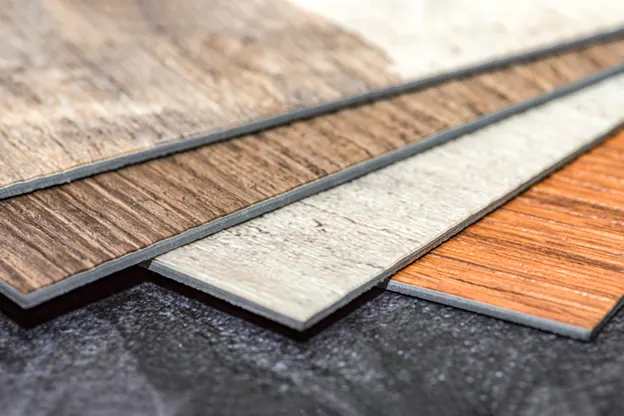
Luxury vinyl tile and luxury vinyl plank flooring samples compared

Is Vinyl Tile or Vinyl Plank Better for Kitchens and Bathrooms?

Bathrooms: LVT is usually the better fit. A tile look feels natural in a bathroom, and glue-down or grouted LVT has fewer open seams where water can sneak through. That said, waterproof LVP works well in bathrooms too, especially if you want the same wood look throughout the house.

Kitchens: LVP is the most popular choice. It lets your kitchen flow into the living and dining areas with one continuous wood-look floor, which makes open floor plans feel bigger. LVT is a great option if you want a stone or tile look under your cabinets and island.

Crew tip: Whichever you choose, we seal the edges around tubs, showers and toilets with flexible caulk. Vinyl’s surface is waterproof, but water that gets under the edges is what causes problems.

LVT vs LVP: Appearance

Today’s printing and embossing technology makes both look impressively real. Many LVP lines have textures that follow the wood grain, and LVT can mimic natural stone veining and even beveled tile edges. The deciding factor is simply which look you want in the room: tile or wood.

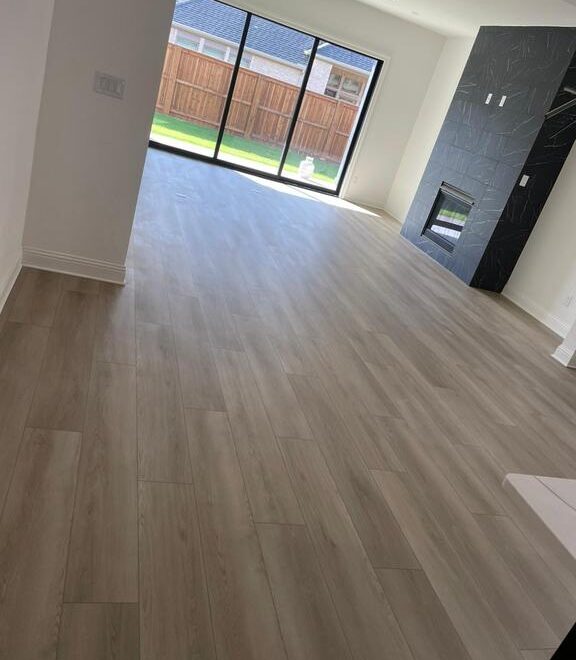
Luxury vinyl plank flooring installed in an open living area

LVT vs LVP: Installation

Both are faster to install than real tile or hardwood. Click-lock LVP and LVT float over a flat subfloor, and glue-down products bond directly to it. The most important step is floor prep: vinyl shows every bump and dip underneath, so the subfloor must be clean, flat and dry. Floating vinyl over old flooring is sometimes possible, but it can void the warranty if the old floor isn’t secure, so have a pro check first. Our vinyl flooring installation team handles the prep and leveling for you.

North Texas tip: Most homes here sit on concrete slabs. We test slab moisture before installing and choose the right underlayment. For rooms with big sunny windows, a rigid-core product handles North Texas temperature swings better. See our guide to SPC vs LVP flooring to learn more about rigid core.

LVT vs LVP: Care, Durability and Lifespan

Care is the same for both: sweep or vacuum (with the beater bar off) and damp-mop with a vinyl-safe cleaner. Skip steam mops and harsh chemicals. Both resist scratches, stains and everyday wear, and the wear layer thickness matters more than the shape: a thicker wear layer stands up better to pets and heavy traffic. With good care, quality luxury vinyl typically lasts 10 to 20 years or more.

LVT vs Real Tile: How Do They Compare?

If you’re weighing LVT vs tile (or LVP vs tile flooring), here’s the short version:

  • Feel: Vinyl is warmer and softer underfoot. Tile is hard and cool.
  • Durability: Porcelain tile is extremely hard and can last decades, but it can crack if something heavy drops. Vinyl can scratch or dent but won’t crack.
  • Water: Both are waterproof on the surface. Tile with sealed grout is the gold standard for showers; vinyl is not for shower walls or floors.
  • Cost and install time: Vinyl usually costs less and installs much faster.

For a full breakdown, read our tile vs vinyl flooring guide, or compare tile types in porcelain vs ceramic tile.

Pros and Cons of Luxury Vinyl Flooring

Pros:

    • Realistic wood, stone and tile looks
    • Waterproof surface, great for kitchens, baths and homes with pets
    • Warmer and quieter underfoot than tile
    • Usually costs less than real hardwood or stone
    • Fast installation and easy cleaning

Cons:

  • Can be dented by very heavy furniture or cut by sharp objects
  • Can fade in strong direct sun without window coverings
  • Doesn’t add the same resale value as real hardwood

Which Should You Choose?

  • Choose LVT for a stone or tile look in bathrooms, laundry rooms and entryways.
  • Choose LVP for a hardwood look that flows through kitchens, living areas and bedrooms.

Comparing other vinyl options? Read sheet vinyl vs vinyl plank and SPC vs LVP. Ready to see samples? We carry luxury vinyl from brands like DDC and Lux, and our vinyl flooring supply team brings samples to your home during a free in-home estimate. Financing is available.

Schedule your free in-home vinyl flooring estimate

LVT vs LVP FAQ

Is LVP the same as vinyl plank?

Yes. LVP stands for luxury vinyl plank. “Luxury” refers to the thicker build, realistic printed design and protective wear layer that set it apart from older, thinner sheet vinyl.

Is LVT or LVP more waterproof?

Both have a waterproof surface. Glue-down and grouted LVT seal the joints a bit better, which is why LVT is a favorite in bathrooms. Click-lock LVP handles everyday spills easily, but standing water should be wiped up quickly.

Is luxury vinyl plank or tile cheaper?

The materials cost about the same. Tile-look LVT can cost a little more to install when it’s laid in patterns or grouted. Both usually cost less than installing real ceramic or porcelain tile.

How long do LVT and LVP last?

With proper care, quality luxury vinyl tile and plank typically last 10 to 20 years or more. A thicker wear layer helps it last longer in busy homes.

LVP Installed in Prosper, Texas by GC Flooring Pros
Vinyl Flooring

Sheet Vinyl vs Vinyl Plank: Which Is Better for Your Home?

The quick answer Sheet vinyl comes in wide rolls with few or no seams, so it’s the most water-tight and budget-friendly option for bathrooms and laundry rooms. Vinyl plank looks and feels more like real wood, is easier to repair one plank at a time, and works beautifully through the whole house. For most living spaces, plank is the favorite; sheet vinyl is a smart pick for small wet rooms.

Vinyl has come a long way from the curling kitchen floors many of us remember. Today, both sheet vinyl and vinyl plank are waterproof, realistic and built to last. They’re still very different products, though, and choosing the right one for each room can save money and headaches. Here’s how they compare.

What is sheet vinyl?

Sheet vinyl is a single, flexible layer of vinyl that comes on rolls, usually 6 or 12 feet wide. Most rooms can be covered in one piece or with one seam, which leaves almost nowhere for water to get through. It’s glued down (fully or around the edges) or, for some products, loose-laid. It’s thin, flexible and the most affordable vinyl option.

What is vinyl plank?

Vinyl plank (LVP) comes in individual planks, usually with a click-lock edge and often a rigid core. Each plank has a printed wood look under a clear wear layer, with texture that follows the grain. Planks float over the subfloor, and a damaged plank can be swapped out. We break down the core types in SPC vs LVP.

Sheet vinyl vs vinyl plank at a glance

  Sheet vinyl Vinyl plank (LVP)
Seams Few or none Many (but the core is waterproof)
Water resistance ●●●●● ●●●●○
Realistic wood look ●●●○○ ●●●●●
Comfort underfoot ●●●○○ ●●●●○
Dent and gouge resistance ●●○○○ ●●●●○
Repairs Patch or replace the sheet Replace individual planks
Subfloor needs Very smooth (bumps show through) Flat; rigid cores forgive small dips
Installed cost $ $–$$

The 30-second chooser

If it’s a small bathroom or laundry room
Sheet vinyl
One seamless piece keeps water out, at the lowest cost.
If you want it to look like hardwood
Vinyl plank
Individual planks with real grain texture read as wood.
If the floor will see dropped tools or furniture moves
Vinyl plank
Rigid planks resist gouges better, and one plank can be replaced.
If you’re flooring the whole first floor
Vinyl plank
It flows room to room and looks right in open floor plans.

Where each one works best

Sheet vinyl is at its best in small, wet, practical rooms: laundry rooms, kids’ bathrooms, rental units and utility spaces. Vinyl plank shines in kitchens, living areas, bedrooms and anywhere you want the look of wood with a waterproof core. Many homes use both, and that’s perfectly fine.

🛠️
Crew tip: sheet vinyl shows what’s under it Because sheet vinyl is thin and flexible, every bump, nail head or grout line underneath can show through over time. Proper prep (smoothing the slab or adding underlayment) is the difference between a floor that looks great for years and one that shows every flaw.
Myth Sheet vinyl is outdated.
Fact Modern sheet vinyl comes in realistic stone, tile and wood looks with a much better wear layer than older products.
Myth Vinyl plank leaks at the seams.
Fact Quality vinyl plank has a waterproof core. Water on top won’t damage it, though large spills should still be wiped up so they don’t reach the subfloor at the edges.
Myth All vinyl is the same.
Fact Wear layer, core and backing vary a lot, and they drive both durability and price.

Comparing vinyl to other water-friendly floors? See tile vs vinyl flooring and LVT vs LVP.

Not sure which vinyl fits each room?

We’ll bring sheet vinyl and vinyl plank samples to your home in Frisco, Plano, Prosper and across North Texas. Estimates are free. Book my free in-home estimate

Frequently asked questions

Is sheet vinyl better than vinyl plank for bathrooms? For small bathrooms and laundry rooms, sheet vinyl’s seamless install is hard to beat for water protection. Vinyl plank also works well in bathrooms thanks to its waterproof core, and it looks more like wood.
Is sheet vinyl cheaper than vinyl plank? Yes. Sheet vinyl is typically the most affordable vinyl flooring to buy and install.
How long does sheet vinyl last? Quality sheet vinyl often lasts 10 to 20 years, depending on the wear layer and how the floor is used.
Can sheet vinyl be repaired? Small damage can sometimes be patched with a matching piece, but it’s harder to hide than swapping one vinyl plank.
Can vinyl plank go over sheet vinyl? Often, yes, if the existing sheet vinyl is flat, firmly attached and in one layer. We check during the estimate.

Tile vs Vinyl Flooring: Pros, Cons and Cost

The quick answer

Choose tile if you want the longest-lasting, most heat- and scratch-resistant floor, especially in bathrooms, showers and entries.

Choose vinyl plank if you want a warmer, softer, quieter floor that installs faster and costs less. Both handle water well; the right pick depends on the room.

Tile and luxury vinyl are the two floors North Texas families reach for when water is part of the picture. They can even look alike now that wood-look porcelain and stone-look vinyl are everywhere. Underfoot, though, they live very differently. Here’s how they compare, room by room, from the crews who install both every week.

Entry hallway with wood-look tile flooring installation in Prosper TX home

Tile vs vinyl at a glance

  Porcelain / ceramic tile Luxury vinyl plank (LVP)
Durability ●●●●● ●●●●○
Water resistance Waterproof surface; grout should be sealed Waterproof core
Comfort and warmth ●●○○○ ●●●●○
Sound ●●○○○ (hard, echoes) ●●●●○ (quieter)
Install time Longer: mortar and grout need to cure Faster: often 1–2 days for a typical room
Repairs Replace a cracked tile (match needed) Replace a plank
Typical lifespan 50+ years 15–25 years
Installed cost $$–$$$ $–$$

Where tile wins

Porcelain tile is about as tough as residential flooring gets. It resists scratches, heat, stains and moisture, and a well-installed tile floor can last as long as the house. It’s the standard choice for showers and a natural fit for bathrooms, entries and patios. Want the toughest options? We compare them in porcelain vs ceramic tile.

Where vinyl wins

Vinyl plank is warmer and softer underfoot, much quieter, and more forgiving when something gets dropped (dishes included). It installs faster, usually costs less, and its waterproof core handles kitchens and laundry rooms with ease. For an apples-to-apples look at vinyl types, see SPC vs LVP.

🛠️
Crew tip: North Texas soil and tile

Our clay soil moves, and slabs move with it. On tile jobs we use a crack-isolation membrane where needed and plan movement joints, which helps protect tile and grout from hairline cracks as the slab shifts over the years.

Best choice by room

Shower and tub surround
Tile

The only real choice for walls and floors that get soaked daily.

Bathroom floor
Either

Tile for a spa feel and longevity; LVP for warmth and faster install.

Kitchen
Either

LVP is easier on feet and dropped glasses; tile handles heavy traffic for decades.

Laundry and mudroom
Either

Both are waterproof. Tile for muddy boots, LVP for budget and speed.

Living areas
LVP or wood-look tile

LVP is warmer; wood-look porcelain is great for open plans that flow to a patio.

Bedrooms
LVP

Softer and quieter where you want comfort.

Myth Tile is always more expensive.
Fact Material can be affordable; labor and prep usually drive the higher installed cost.
Myth Vinyl is just for budget projects.
Fact Quality LVP is a popular choice in high-end homes because it’s practical and realistic.
Myth Tile is cold all year.
Fact It feels cool, which many Texans love in summer. Rugs or radiant heat solve chilly winter mornings.

Wood-look tile vs wood-look vinyl

If you love the look of wood but need something water-friendly, both floors deliver. Wood-look porcelain is ideal when you want one continuous floor from the kitchen to the back patio, or a mudroom that can take anything. It comes in long planks with realistic grain, and with narrow, color-matched grout lines it reads as wood from across the room. Wood-look vinyl plank feels closer to real wood underfoot: warmer, a little softer, and with no grout to clean. If you’re choosing between the two for a whole-home project, many families put porcelain in the entry, kitchen and baths and LVP everywhere else.

🛠️
Crew tip: grout color matters more than you think

On wood-look tile, a grout that matches the darkest tone in the plank hides lines and dirt. On stone-look tile, a slightly contrasting grout can show off the pattern. Ask to see a grout sample next to your tile before you decide.

What about cost?

Vinyl plank generally has the lower installed cost because it installs faster with less prep. Tile costs more mainly in labor: setting, cutting and grouting take time, and a stable, flat base is essential. Removing old flooring, leveling the slab and adding patterns like herringbone affect both. The most accurate number comes from measuring your space during a free estimate.

See tile and vinyl side by side at home

We bring porcelain, ceramic and vinyl samples to your door across Frisco, Plano, Prosper and North Texas. In-home estimates are free.

Book my free in-home estimate

Frequently asked questions

Is tile or vinyl better for a bathroom?

Tile is the classic, longest-lasting choice and a must in showers. Vinyl plank is warmer, quieter and faster to install, and its waterproof core works well on bathroom floors.

Which lasts longer, tile or vinyl?

Tile typically lasts 50 years or more when installed well. Vinyl plank usually lasts 15 to 25 years depending on the wear layer and traffic.

Is vinyl plank cheaper than tile?

Usually, yes. Vinyl plank installs faster with less labor, so the installed cost is typically lower than tile.

Can vinyl plank go over tile?

Often, if the tile is flat and solid and the grout lines are minor. We check the existing floor during your estimate.

Which is better for pets, tile or vinyl?

Both handle accidents well. Tile resists scratches best; vinyl is softer and quieter for pets and their owners.

Laminate Flooring

Is Laminate Flooring Waterproof? What North Texas Homeowners Should Know

The quick answer

Traditional laminate is not waterproof. Its core is high-density fiberboard, and water that gets into the seams can make it swell.

Newer water-resistant and “waterproof” laminates seal the core and joints so everyday spills can sit for hours without damage. They’re great for kitchens and entries. For full bathrooms, laundry rooms and anywhere water can pool, luxury vinyl plank or tile is the safer pick.

Laminate gives you the warm look of wood with excellent scratch resistance and a friendly price, which is why so many families in Frisco, Plano and Prosper choose it. The question we hear most at estimates is simple: what happens when it gets wet? Here’s the straight answer, plus where laminate shines and where we’d steer you toward something else.

Waterproof vs water-resistant: what the labels mean

TypeWhat it meansGood for
Standard laminateWood-fiber core with basic edge treatment. Spills must be wiped up quickly.Bedrooms, living rooms, offices
Water-resistant laminateTreated core and tighter joints that slow water from getting in.Living areas, entries, light kitchen use
“Waterproof” laminateSealed core and joints, often with a spill warranty measured in hours (commonly 24 to 72).Kitchens, entries, powder rooms
Luxury vinyl plank (for comparison)Plastic or stone-plastic core that doesn’t absorb water at all.Full baths, laundry, mudrooms
🛠️
Crew tip: read the warranty fine print

“Waterproof” laminate warranties usually cover surface spills cleaned up within a set time. They typically don’t cover leaks from appliances, flooding, or water that gets under the floor. Ask to see the warranty before you buy.

What happens when laminate gets wet?

A spill on top of the floor is no problem if you wipe it up. The risk is water that sits long enough to work into the joints. When that happens, the fiberboard core absorbs it and the plank edges swell and lift, a look called “peaking.” Swollen laminate doesn’t shrink back, so the affected planks need to be replaced. If you’re already seeing lifted edges, our guide on fixing laminate flooring that’s lifting walks through the causes.

Can you use laminate in kitchens and bathrooms?

Kitchen
Yes, with water-resistant laminate

Choose a water-resistant or waterproof line and wipe spills promptly. Watch the dishwasher area.

Powder room
Usually yes

A half bath with no shower sees little water. Seal the perimeter with silicone.

Full bathroom
We recommend LVP or tile

Shower splash and wet towels add up. A waterproof core is the safer long-term choice.

Laundry and mudroom
LVP or tile

Washer leaks and muddy boots are exactly what waterproof cores are built for.

Myth Waterproof laminate can go anywhere.
Fact It handles topical spills well, but standing water, leaks and flooding can still damage it.
Myth Laminate and vinyl are basically the same.
Fact They look similar, but laminate has a wood-fiber core and vinyl has a plastic-based core that doesn’t absorb water.
Myth A wet mop is the best way to clean laminate.
Fact Too much water is laminate’s enemy. A barely damp microfiber mop is all it needs.

How to protect laminate from water

  1. Choose the right product for the room. Water-resistant or waterproof lines in kitchens and entries.
  2. Seal the edges in wet areas. A bead of silicone around the perimeter, tubs and toilets keeps splashes out of the expansion gap.
  3. Use mats where water happens. At the sink, dishwasher and doors. Pick mats without rubber backing.
  4. Wipe spills right away. Even on waterproof laminate, it’s the easiest insurance there is.
  5. Clean with a damp, not wet, mop. Use a cleaner made for laminate and skip steam mops.
  6. Check under appliances now and then. A slow dishwasher or fridge line leak is the most common cause of laminate damage.

Laminate vs vinyl plank for wet areas

If water resistance is the top priority, luxury vinyl plank wins because its core is waterproof all the way through. Laminate wins on scratch resistance and often feels more like real wood underfoot. Many homeowners use both: laminate in living spaces and bedrooms, and LVP in baths and the laundry room. Compare the vinyl options in our SPC vs LVP guide, or read more in laminate vs vinyl flooring and our waterproof flooring guide.

Not sure which floor fits each room?

We’ll bring laminate and vinyl samples to your home and help you map out every room. In-home estimates are free across Frisco, Plano, Prosper and North Texas.

Book my free in-home estimate

Frequently asked questions

Is laminate flooring waterproof?

Standard laminate is not. Water-resistant and waterproof laminate lines resist spills for hours, but they aren’t meant for standing water or leaks.

Can laminate flooring get wet?

Yes, briefly. Wipe spills up promptly. Water that sits in the seams can swell the core and lift plank edges.

Can you put laminate in a bathroom?

A powder room is usually fine with a water-resistant laminate and sealed edges. For full bathrooms with a tub or shower, we recommend luxury vinyl plank or tile.

What happens if water gets under laminate?

The fiberboard core can absorb it and swell, and moisture can lead to mildew. Dry the area quickly and have the floor checked; swollen planks usually need replacing.

Is vinyl or laminate better for kitchens?

Both can work. Vinyl plank is fully waterproof; water-resistant laminate is more scratch-resistant. Busy kitchens with pets often lean vinyl, while kitchens with heavy foot traffic and careful cleanup do great with laminate.