

Is Engineered Wood the Answer to Sustainable Wood Flooring?
Sustainable living is one of the most important topics in the modern age. Studies show that as much as 77% of the population wants to learn how to live more sustainably. Unfortunately, many of us simply don’t know where to start.
The good news is that sustainable living can start in the home – specifically, your wood flooring! If you’re a member of that 77%, we’re here to help you understand engineered wood and how it benefits the environment.
Read on to find out why you should use it for your next sustainable wood flooring.
What Is Engineered Wood?
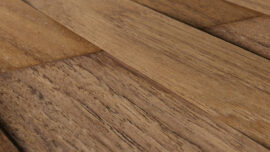
As the name suggests, engineered wood has been artificially given structure. Manufacturers will press together woods of several different types to create this beautiful, hardy flooring material.
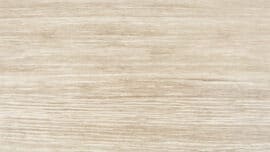
Typically, engineered wood will have a layer of plywood with a veneer of a chosen hardwood. This combination provides the aesthetic a designer would like while also providing the sustainability, hardiness, and cost of engineered wood.
What Are Some Sustainable Wood Flooring Examples?
Sustainable wood flooring is any type of wood flooring better for the environment because it either uses reclaimed wood or utilizes much less of the tree per wood plank than your average solid hardwood.
Here are some examples typically used for engineered wood flooring:
- Hickory
- Pecan
- Oak
- Maple
These four options for engineered wood flooring are more sustainable than the traditional solid hardwood, and all are great options.
Differences Between Hardwood and Engineered Wood
Despite having similar construction purposes, there are plenty of differences between hardwood and engineered wood.
Construction
Hardwood consists entirely of a single piece of wood – oak, maple, or others. This piece is then cut to fit the purposes needed. Engineered wood is, instead, made of multiple different tree pieces.
The difference is visible with a cross-section of the wood. Rather than seeing a uniform type of wood as you would with hardwood, you see several different types.
Hardiness
Many assume that engineered wood is weaker and less durable than hardwood. However, engineered wood is just as sturdy as hardwood – even sturdier in some cases due to its resistance to warping.
Hardwood is especially damaged by moisture, but this isn’t as much of an issue with engineered wood. Due to being made up of several layers of different wood, engineered wood can resist water much better.
Why Is Engineered Wood Better for the Environment?
Engineered wood is an excellent sustainable wood flooring choice when competing with hardwood. Consider some of the following as some of the best benefits of using engineered wood over hardwood.
More Sustainable
As we talked about above, the most important feature of engineered wood is that it’s significantly more sustainable in its farming and construction.
With engineered wood, there’s a much smaller environmental impact. Many manufacturers will use wood from recycling suppliers, especially to create the plywood beneath. Doing so keeps trees in the ground and helps to limit deforestation.
Low Pollutant Generation
The processing of hardwood is another source of environmental damage. It is especially prevalent when it comes to making the veneer. For hardwood, cutting the veneer can create a significant amount of sawdust, waste wood, and consume more fuel.
The engineered wood process cuts the veneer instead, as cutting into a composite doesn’t always go well. This process creates much less sawdust and pollutants, wastes less wood, and uses less fuel. It also is much quicker.
Styles of Engineered Wood
Another fantastic benefit of engineered wood is how customizable it is. There are plenty of designs that engineered wood can use, given that it’s artificially formed!
Plank Flooring
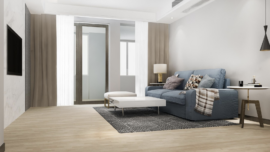
The most common – and easiest to work with – is wooden planks. By doing so, you can install the planks in whatever orientation you prefer. You can also stagger and switch lengths to provide a design or pattern in the wood.
Sheet Flooring
Some flooring is made in a single large instalment. Such a design can be more difficult to replace but can give a smoother and more uniform appearance than others.
Chevron Flooring
Chevron flooring is a bit more complicated but certain to impress. Placing the wood down in smaller diagonal cuts provides a V pattern across the floor. While installation can be more intense, this is a classic and beautiful look that engineered wood can easily create.
Switching to Engineered Wood Flooring
If you’ve been looking into a more environmentally-friendly housing design, you should look into engineered sustainable wood flooring today! It’s a great way to cut down on costs while also cutting down your carbon footprint. The strength and flexibility of engineered wood in combination with its excellent green qualities for the environment make it an easy choice over hardwood.
Please feel free to contact us for more information on sustainable wood floors. You can also browse our website to learn more about all of our wood flooring options.