
Best Stone Countertops: Your Buying Guide for 2024
When it comes time to update your home’s countertops, the sheer number of choices can be daunting. From natural stones to laminate, there is a material and style to suit every taste and budget.
Here is a guide to help you choose the best countertop for your needs, including how to get started.
Topics we’ll cover include:
- Getting Started: The Information You Need Before Shopping
- The Best Stone Countertops
- Granite
- Quartzite
- Marble
- Soapstone
- Engineered Stone
- FAQs
Getting Started: The Information You Need Before Shopping
When it comes to countertops, there are a lot of choices.
Before you start shopping, it’s important to narrow down your options by considering your needs and what will work best in your space.
Here are some things to think about:
- Countertop material: There are many different materials to choose from, including natural stone, laminate, and engineered stone. Each has its own unique look and feel. We’ll go over the best stone countertops in more detail later.
- Countertop style: Do you want a sleek and modern look or something more traditional?
- Countertop usage: How will you be using your countertops? If you do a lot of cooking, you’ll want a material that can withstand high temperatures.
- Maintenance: Some materials require more upkeep than others. Consider how easy the countertop is to clean and if you’re willing to put in the work to maintain it.
- Budget: Countertops can range in price from $30 per square foot to $200 per square foot, depending on the material and style. Most stone countertops start at about $40 per square foot*.
*prices subject to change
Keep these factors in mind as you shop for countertops to find the best option for your home.
Countertop Measurements
You’ll also need accurate measurements to know how much countertop you need. To measure, use a tape measure and record the length and width of each section of the countertop.
If you have an L-shaped or U-shaped kitchen, you’ll need to measure each section separately. Don’t forget to measure any overhangs or areas where the countertop will extend beyond the cabinets.
It’s a good idea to measure twice to be sure you have accurate measurements. Once you have your measurements, you can use a calculator to determine the square footage of the countertop you need.
Now that you know what to consider before shopping for countertops let’s take a look at some of the best stone countertops on the market.
The Best Stone Countertops
There are many different types of stone countertops to choose from, each with its own unique look and feel. Here are some of the best options:
Granite
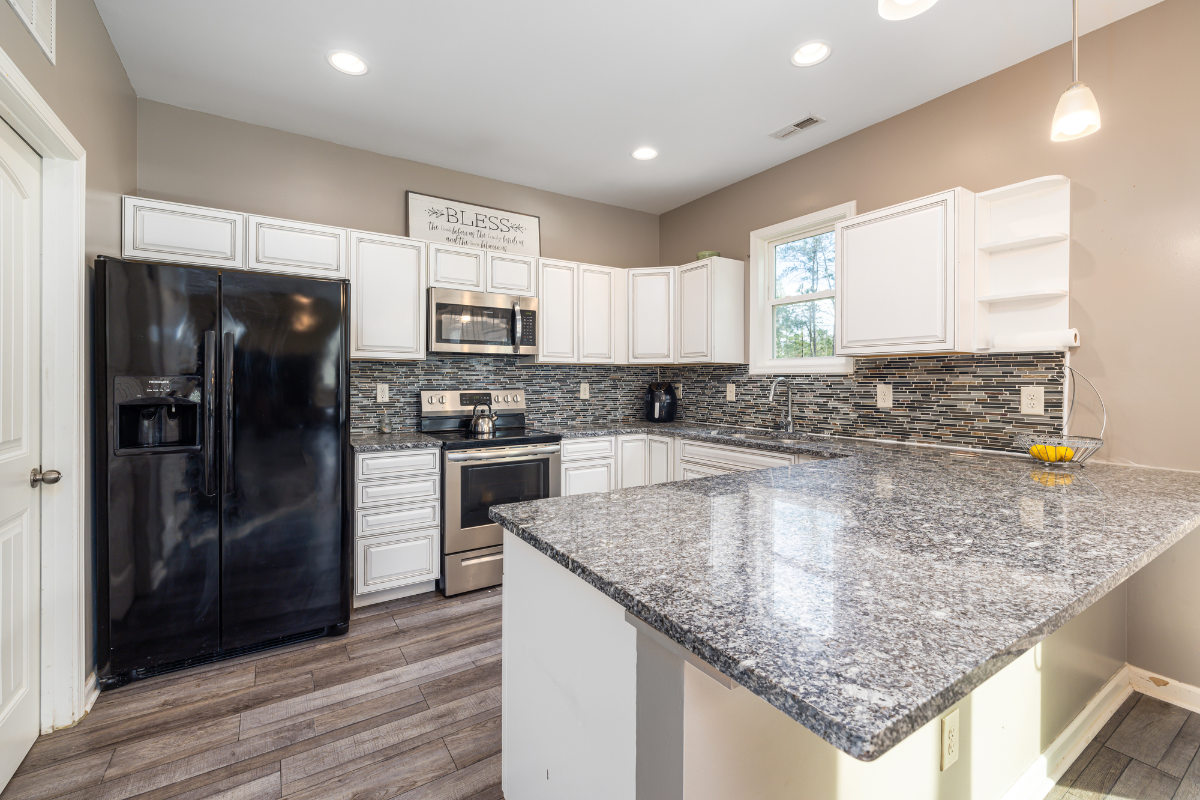
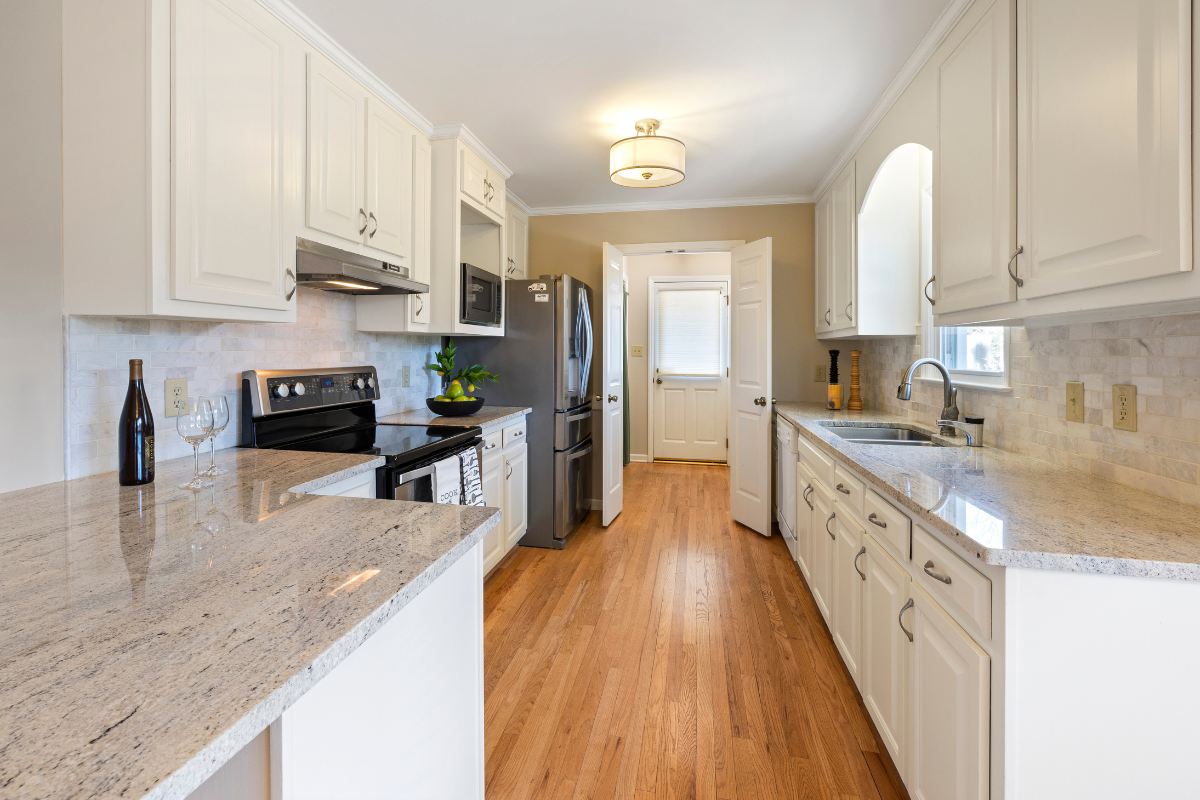
Granite is a popular choice for countertops because it’s durable and heat-resistant. It also has a natural beauty that can add to the value of your home.
Pros:
- Granite is a durable material that can withstand high temperatures. It’s also scratch-resistant and stain-resistant.
- Granite is a natural material that adds beauty and value to your home.
Cons:
- Granite is a porous material, so it needs to be sealed regularly to prevent staining. It’s also a heavy material, so it requires reinforcement if used for countertops.
Pricing: Granite countertops start at $40 per square foot*.
Quartzite
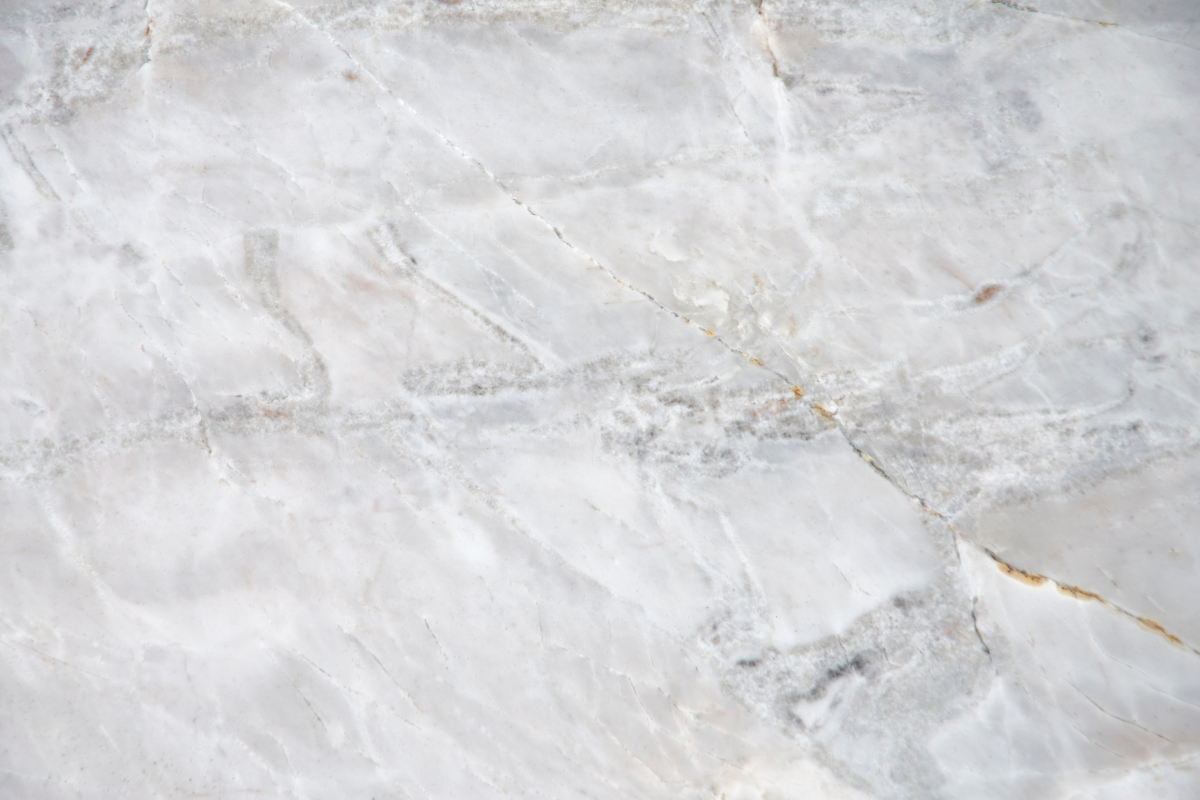
Quartzite is a natural stone that looks similar to marble but is more durable. It’s heat-resistant and scratch-resistant, making it a good choice for busy kitchens.
Pros:
- Quartzite is a durable material that can withstand high temperatures. It’s also scratch-resistant and stain-resistant.
Cons:
- Quartzite is a porous material, so it needs to be sealed regularly to prevent staining. Like granite, it’s also a heavy material, so it requires reinforcement if used for countertops.
Pricing: Quartzite countertops start at $50 per square foot*.
Marble
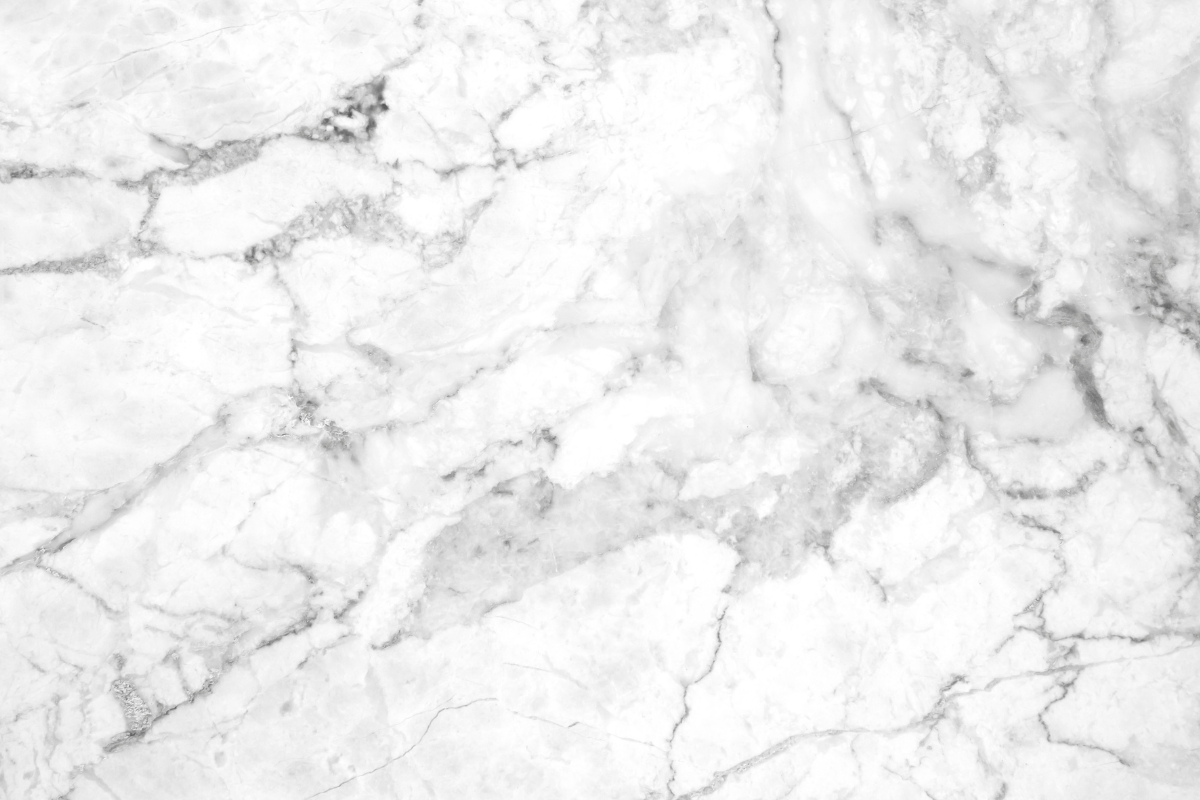
Marble is a classic choice for countertops because of its beauty and elegance.
Pros:
- Marble is a beautiful material that can add elegance to your home.
Cons:
- Marble is a softer material, so it’s more susceptible to scratches and stains.
- Marble should be sealed regularly to prevent staining.
Pricing: Marble countertops start at $40 per square foot*.
Soapstone
Soapstone is a natural stone that’s heat-resistant.
Pros:
- Soapstone is a durable material that can withstand high temperatures.
- It’s also non-porous, so it doesn’t need to be sealed.
Cons:
- Soapstone is a softer material, so it’s more susceptible to scratches.
Pricing: Soapstone countertops start at $55 per square foot*.
Engineered Stone / Quartz
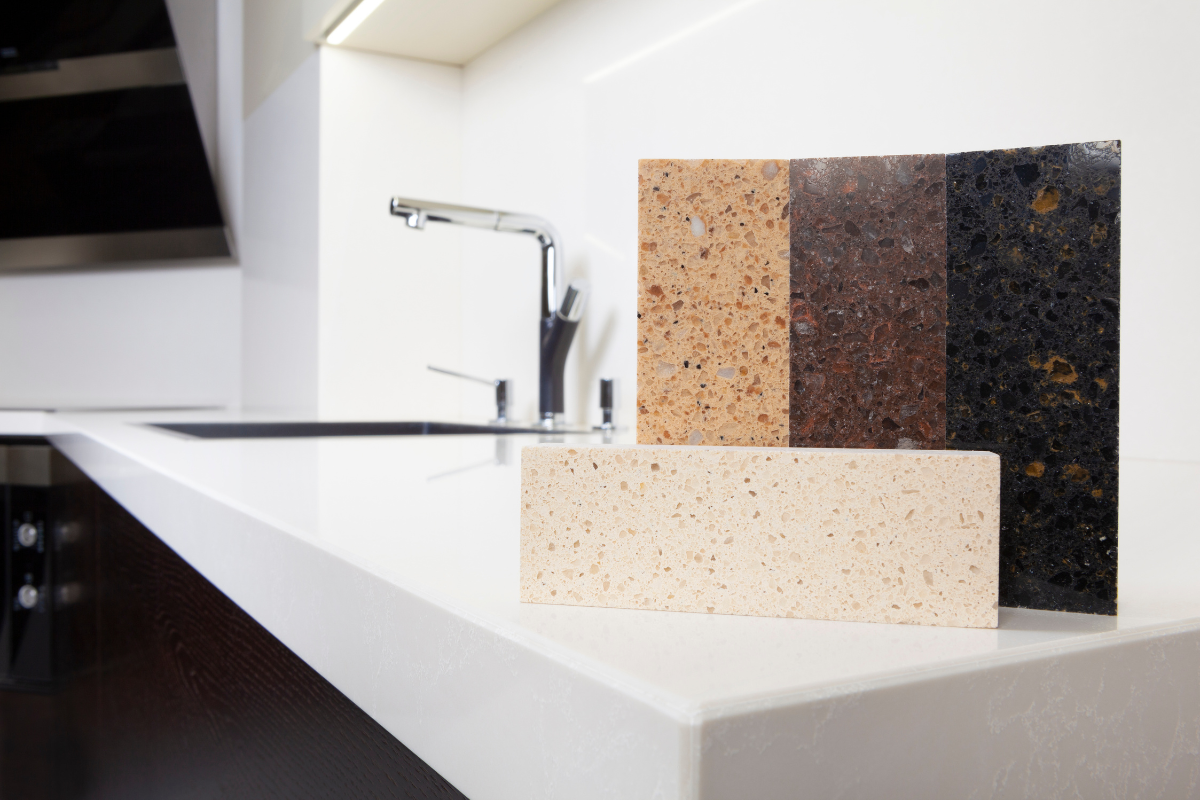
Engineered stone is a man-made material that’s made from a mix of quartz and other materials. This makes the color more even, as it’s not coming directly from the randomness of nature. This assures you that each counter will match another perfectly. And because it is man-made, engineered stone is more customizable in terms of colors and patterns.
Pros:
- Engineered stone is a durable material that can withstand high temperatures. It’s also stain-resistant and non-porous, so you never need to seal it.
Cons:
- Engineered stone is a harder material, so it’s more susceptible to chips and cracks.
Pricing: Engineered stone countertops start at $55 per square foot*.
How Do I Choose The Best Stone Countertop?
Now that you know the different types of stone countertops available, how do you choose the best one for your home? It really boils down to your preferences. Make a checklist of the factors we listed above, and prioritize them based on what’s most important to you and your family.
If you need help choosing, we’re always here. Contact us today, and we’ll be happy to walk you through your options.
Stone Countertops FAQs
How do you seal a stone countertop?
How do you clean a stone countertop?
What is the difference between granite and quartz?
Which is better: marble or granite?
What is the most expensive countertop material?
*https://www.homeadvisor.com/cost/cabinets-and-countertops/soapstone-counter-install/