
Quartz Countertops Pros And Cons: Are They Worth It?
There’s a lot of buzz around quartz countertops. They’re lauded as being stylish and durable, and many people are considering them as an option for their home renovation.
But are they really worth the investment? Here, we’ll dive into what quartz actually is and look at the pros and cons of quartz countertops to help you decide.
We’ll also answer some common questions about quartz countertops at the end. Here is what we’ll discuss:
What Are Quartz Countertops?
Quartz countertops are a type of man-made stone made from a combination of natural quartz and other materials like resin and other non-stone materials. About 10% of the countertop is made up of something other than stone to increase durability. This makes them very strong and durable, as well as more resistant to scratches and stains than completely natural stone countertop choices.
Now that we’ve covered what quartz countertops are let’s take a look at the pros and cons.
Here is a quick table for you to digest. We are going to pick apart each of these traits in a second.
| Pros | Cons |
|---|---|
| Extremely Durable | Expensive |
| Low Maintenance | Can Be Hard to Install |
| Variety of Colors | May Show Imperfections More Than Other Surfaces |
Pros Of Quartz Countertops
Quartz is Extremely Durable
One of the most significant advantages of quartz countertops is that they’re incredibly durable. They’re made to withstand heavy use and abuse, and they’re not as prone to chipping or cracking as other materials can be.
Quartz is also a very hard material, so it’s not as susceptible to scratches the way that softer countertop materials like soapstone or wood are.
Quartz is Low Maintenance
Another big advantage of quartz countertops is that they’re low maintenance. Because they’re non-porous, they’re very easy to keep clean. You don’t have to worry about spills or stains seeping into the material, and you can easily wipe them away with a damp cloth.
You also don’t need to seal quartz countertops as you do with granite or marble. This means one less step in your cleaning routine.
Quartz Comes in a Wide Range of Colors and Patterns
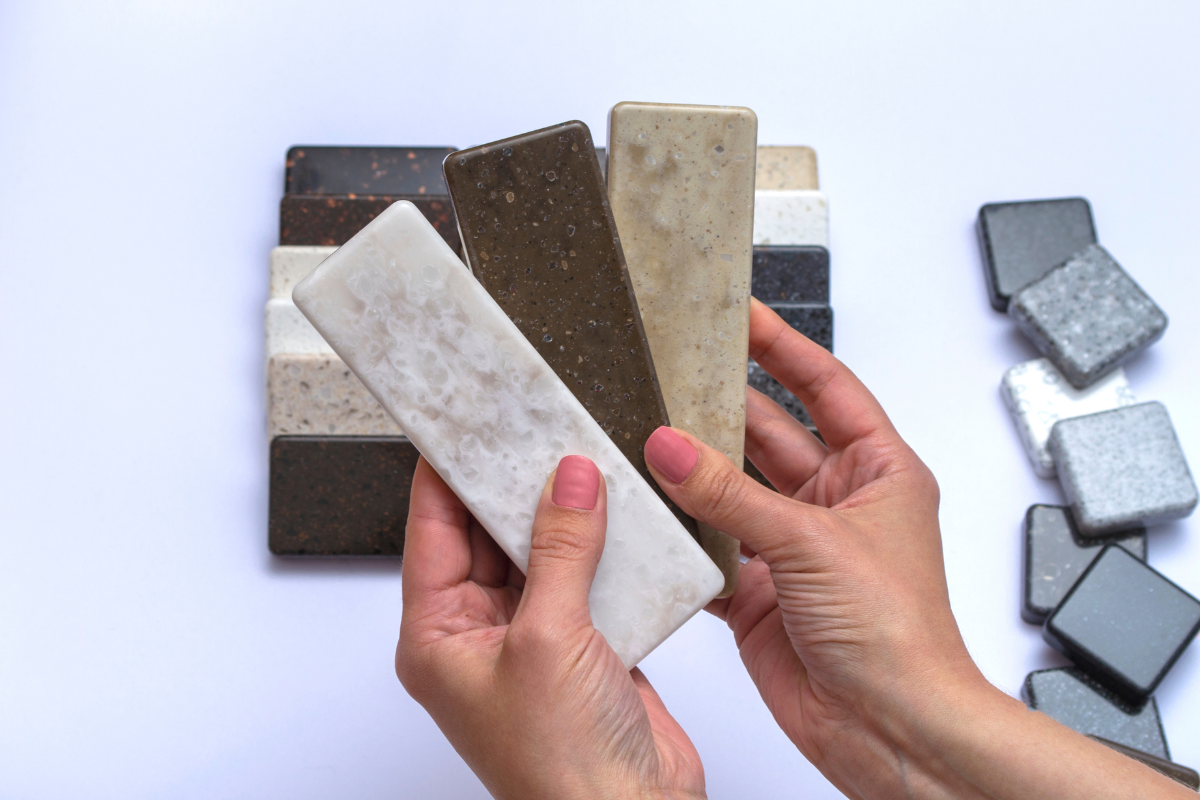
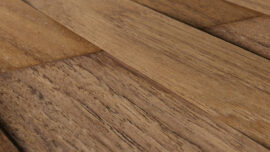
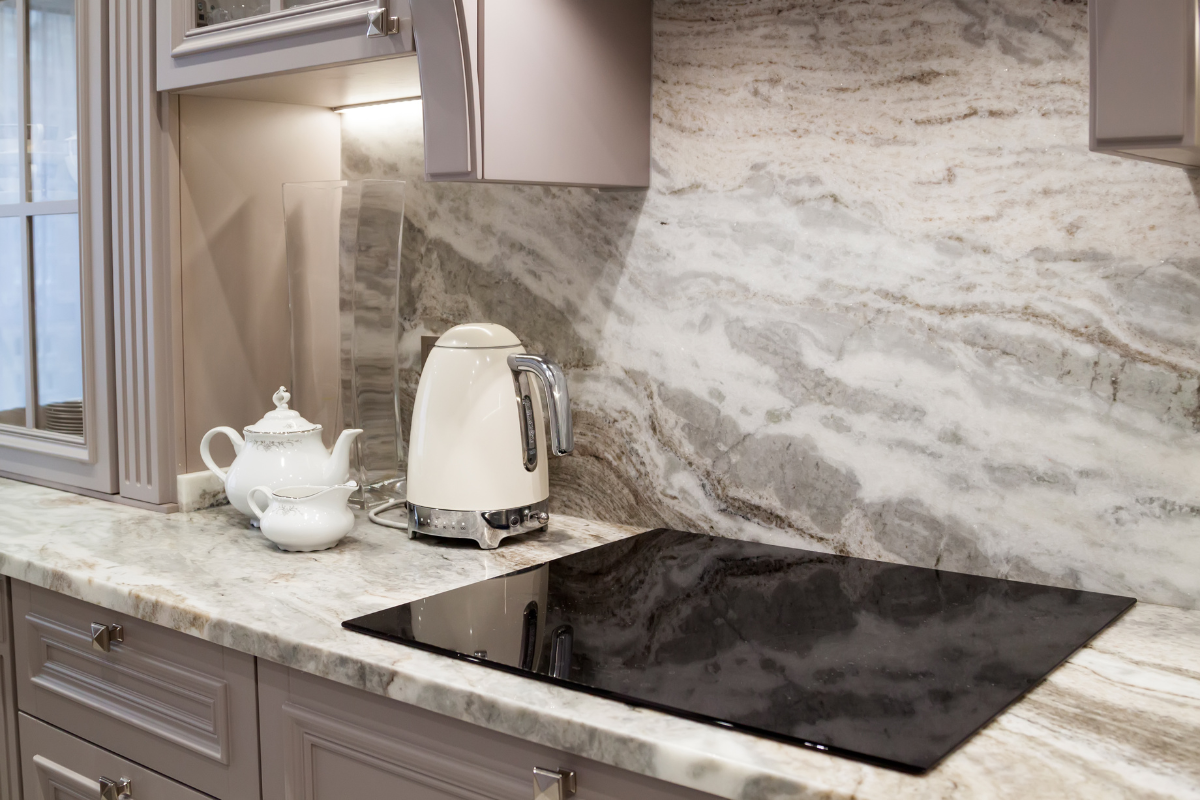
One of the best things about quartz countertops is that they come in a wide range of colors and patterns, which makes them very versatile. You can find quartz that looks like marble, granite, or even wood.
This means you can easily find an option that fits your style and décor. You’re not limited to the traditional white or black countertop options anymore.
Cons Of Quartz Countertops
Of course, there are also some disadvantages to quartz countertops that you should be aware of before making a decision.
Quartz Countertops Can Be Expensive
One of the most significant drawbacks of quartz countertops is that they can be expensive. They typically cost more than laminate or tile countertops, and they can be comparable in price to granite or marble.
This means you’ll need to factor the cost into your budget when deciding if quartz countertops are right for you.
Quartz Countertops Can Be Difficult to Install
Another downside of quartz countertops is that they can be challenging to install. Because they’re so heavy, you may need professional help to get them properly installed in your home.
This can add to the overall cost of the project, so keep that in mind when budgeting for your new countertops.
Quartz Countertops Show Imperfections
While quartz is a very hard material, it’s not entirely immune to scratches and water spots. If you’re not careful, you may find that your countertops show wear and tear more easily than other materials.
This means you’ll need to be extra careful when using them, and you may need to clean them more often to keep them looking their best.
Now that we’ve looked at the pros and cons of quartz countertops let’s answer some common questions about them.
Quartz Countertop FAQs
Are Quartz Countertops Worth the Investment?
How Much Do Quartz Countertops Cost?
Are Quartz Countertops Easy to Clean?
Do Quartz Countertops Need to Be Sealed?
Does Quartz Chip Easily?
Do Quartz Countertops Show Water Spots?
Are Quartz Countertops Durable?
Can I Put Hot Pans on Quartz Countertops?
Can I Cut on Quartz Countertops?
Are Quartz Countertops A Good Choice?
for years to come, quartz is a great option to consider.