
Marble vs. Quartz Countertops: Determine the Best Choice for your Renovations
The countertop is usually one of the showpieces of any kitchen renovation. It is something that will stand out for all of your guests to see. Not only that, but home cooks need a countertop that will stand up to the daily wear and tear of preparing their favorite meals.
This article will dive deeply into the difference between marble and quartz for kitchen countertops to help you decide which is the best for your home. You can also take this information and use it to consider quartz vs marble countertops in the bathroom.
Marble vs Quartz Countertops For Your Kitchen
The first thing we’ll look at is the physical difference between marble and quartz.
Marble is a stone used for thousands of years as a building material, with naturally occurring marble deposits found all over the world. Marble has been known for its use in building the Taj Mahal, the White House, and countless sculptures and other works worldwide. This alone helps to illustrate the strength and attractiveness of marble over time. As these legacy marble projects illustrate, you won’t need to worry about it breaking down after just a few years.
Quartz, on the other hand, is a manmade material that combines naturally occurring quartzite, resin, and pigments. They are molded into slabs with resin and result in a non-porous material that is known for its durability.
What Do Marble and Quartz Look Like?
Marble is normally a light-colored rock but can come in various colors that are created from impurities. These can create hints of blue, pink, black, and yellow. They can even be translucent.
Some colors are rarer than others, which can affect the price. For example, a black marble countertop may have veins of gray or white mixed in. These veins are created by a natural process within the earth, making every countertop unique.
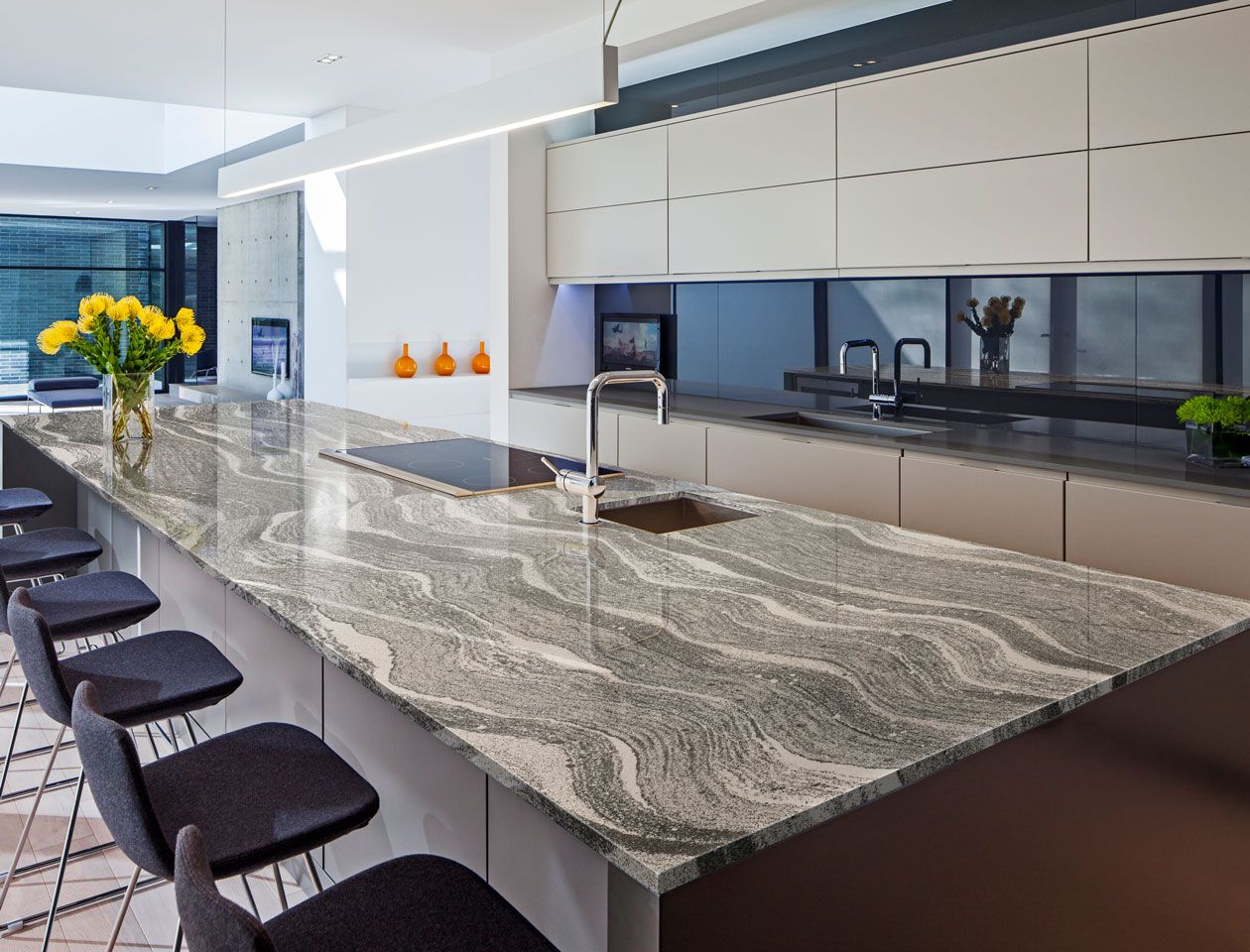
Quartz is manmade, so it can come in just about any color you can imagine. It’s common to find quartz countertops engineered to look like natural stone, like marble or granite, but you can also order quartz with vivid colors like bright blue.
Marble vs Quartz Durability
Marble
Pros:
- Adds natural beauty to a space with its unique and luxurious appearance
- Resistant to heat and won’t scorch or burn
Cons:
- Porous and prone to staining, scratching, and etching
- Requires regular sealing to maintain its durability and beauty
- Susceptible to damage from acidic substances such as lemon juice or vinegar
Quartz
Pros:
- Non-porous and stain resistant
- Resistant to scratches, chips, and cracks
- Easy to clean and maintain
- Available in a wide range of colors and patterns
Cons:
- Can be prone to discoloration over time from exposure to UV light
- Not as heat resistant as marble and can scorch or crack under high heat
- Has a more uniform appearance, lacking the natural variation and unique patterns of marble.
How Does the Cost Compare With Marble Vs Quartz?
You likely have a cost in mind if you want to renovate your kitchen on a budget.
The cost of marble and quartz countertops can vary widely depending on factors such as location, the specific type and quality of the material, and the complexity of the installation. However, generally speaking:
Marble:
- Can be more expensive than quartz due to its luxurious and unique appearance
- Can range from $50 to $250 per square foot, including installation
Quartz:
According to Forbes, quartz is the slightly more budget-friendly option at $55 per square foot, but it can go upwards of $100+ for unique designs.
- Can range from $55 to $150 per square foot, including installation
- Is often more affordable than marble and can offer a more budget-friendly alternative for those seeking a durable and low-maintenance countertop option.
It is important to note that while quartz may have a lower upfront cost, the cost of maintaining marble over time may be higher due to the need for regular sealing and cleaning. On the other hand, the durability and low-maintenance requirements of quartz can help to offset the higher initial cost over the long term.
Marble vs. Quartz, Which is the Best?
Both marble and quartz make amazing-looking countertops and can stand the test of time. But which is the best? The short answer is it depends on your preferences. Here are some marble vs quartz countertops pros and cons.
Marble is an excellent natural stone that just screams luxury. That does place it at a higher price point, but you can be comforted knowing that your countertop is one of a kind.
The natural veining of marble can also make it gorgeous in a problematic way to mass-produce in quartz. If you like to cook with high heat and place your hot roasters and pans directly onto the counter, then marble may also be an excellent option for you, thanks to the high heat resistance.
Marble is a relatively soft stone, despite being crack resistant, so it still shows scratches from knives and other daily use if not sealed.
Marble does come with a bit of extra maintenance, however. It must be sealed every six months to protect it from stains and scratches. Marble is porous, so it will stain easily if not sealed. Acidic substances like lemon juice or even ketchup can etch marble as well.
Pros of marble:
- Natural beauty: Marble has unique, veined patterns that add character and style to any kitchen.
- Durability: Marble is a very dense material and is relatively scratch-resistant.
- Heat resistance: Marble can withstand high temperatures without damage, making it ideal for use as a kitchen countertop.
Cons of marble:
- Maintenance: Marble is porous and can stain easily, so it requires frequent sealing and cleaning.
- Cost: Marble is more expensive than many other countertop materials, including quartz.
- Softness: Marble is a softer material and can be easily scratched or damaged by heavy objects or sharp knives.
Pros of quartz:
- Durability: Quartz is very hard and durable, making it resistant to scratches, chips, and cracks.
- Low maintenance: Quartz is non-porous and does not require sealing, making it easy to clean and maintain.
- Versatility: Quartz comes in a wide range of colors and patterns, allowing for many design options.
Cons of quartz:
- Artificial look: Some people find that the uniformity of quartz makes it look artificial compared to natural stone like marble.
- Heat sensitivity: Quartz is more heat-sensitive than marble, so you need to be careful when placing hot pots and pans on it.
Quartz is an engineered stone that not only helps keep the overall design more consistent but also helps to keep the price down a little bit.
You can get quartz in many designs and colors, from natural to vivid colors. Quartz is less brittle than natural stone and holds up well against daily use, even without being sealed. As quartz is non-porous, it doesn’t need to be sealed.
Quartz is an excellent option for home cooks working directly on their countertops. The only minor downside to marble is that it isn’t as heat resistant as marble, so you won’t be putting a hot pan directly on it.
For those who like the luxury of natural stone, quartz also won’t scratch the same itch, but you can make it look very similar to marble if it’s just the marble look you want, and you care less about the authenticity.
Read more: Pros And Cons Of Quartz Countertops
FAQ
Here are a few of the most common questions about Marble vs. Quartz Countertops
What is the cost of marble vs. quartz?
Does quartz stain easily?
What is cultured marble vs. quartz?
Does quartz look as good as marble?
Can you tell the difference between quartz and marble?
Which quartz looks the most like marble?
Which is more heat resistant, marble or quartz?
Conclusion
If you’re looking to renovate your kitchen, we hope this article has given you an idea of what countertop is best for you and your cooking style. If you want to read about how quartz compares to granite, check out the blog below:
Quartz Vs. Granite: Pros & Cons, Price, Durability & More!
Need some more help? GC Flooring can guide you in the right direction and help with your commercial or residential countertop purchase and installation needs. Get in touch today!