LVT vs LVP: Vinyl Tile vs Vinyl Plank Flooring Compared
Last Updated on November 5, 2026 by Javier Nunez
LVT vs LVP: Vinyl Tile vs Vinyl Plank Flooring Compared
Quick answer: LVT (luxury vinyl tile) and LVP (luxury vinyl plank) are made from the same waterproof layers. The real difference is shape. LVT comes in squares and rectangles that look like stone or ceramic tile; LVP comes in long planks that look like hardwood. Choose LVT for a tile look in bathrooms, laundry rooms and entries. Choose LVP for a wood look that flows through kitchens, living areas and bedrooms.
Luxury vinyl is one of the most popular floors in North Texas homes, and for good reason: it’s waterproof, family-friendly and budget-friendly. Below we compare LVT vs LVP side by side, explain which works best in kitchens and bathrooms, and show how both stack up against real tile.
LVT vs LVP: What’s the Difference?
Luxury Vinyl Tile (LVT)
LVT is luxury vinyl made in tile shapes: squares, rectangles and larger formats. Most designs copy marble, slate, travertine, concrete or ceramic. Depending on the product, LVT either clicks together or is glued down, and some styles can even be grouted for an authentic tile look.
Luxury Vinyl Plank (LVP)
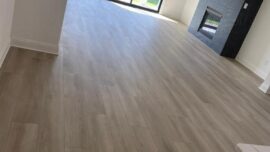
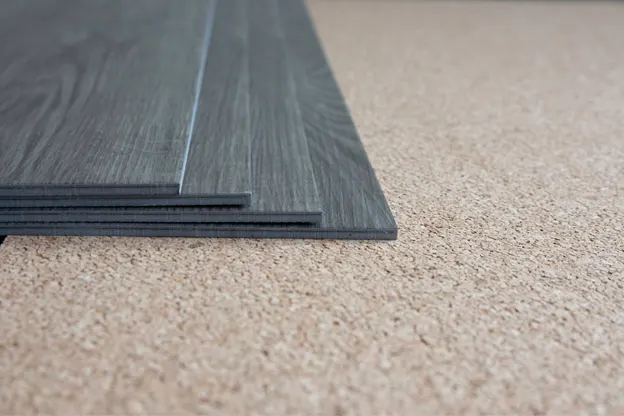
LVP is luxury vinyl made in long, narrow planks that copy hardwood, from rustic hickory to clean, light oak. Most LVP uses a click-lock system and “floats” over the subfloor, so it goes in quickly with no nails or glue.
LVT vs LVP Comparison Table
| LVT (Vinyl Tile) | LVP (Vinyl Plank) | |
|---|---|---|
| Look | Stone, marble, ceramic, concrete | Hardwood (oak, hickory, maple and more) |
| Install Pattern | Grid, offset/brick, diagonal; some styles can be grouted | Random staggered planks; herringbone in select styles |
| Water Resistance | Waterproof surface; glue-down and grouted styles seal joints well | Waterproof surface; click seams are tight but standing water can reach the subfloor |
| Cost | $–$$ (patterns and grouting add labor) | $–$$ |
Is Vinyl Tile or Vinyl Plank Better for Kitchens and Bathrooms?
Bathrooms: LVT is usually the better fit. A tile look feels natural in a bathroom, and glue-down or grouted LVT has fewer open seams where water can sneak through. That said, waterproof LVP works well in bathrooms too, especially if you want the same wood look throughout the house.
Kitchens: LVP is the most popular choice. It lets your kitchen flow into the living and dining areas with one continuous wood-look floor, which makes open floor plans feel bigger. LVT is a great option if you want a stone or tile look under your cabinets and island.
Crew tip: Whichever you choose, we seal the edges around tubs, showers and toilets with flexible caulk. Vinyl’s surface is waterproof, but water that gets under the edges is what causes problems.
LVT vs LVP: Appearance
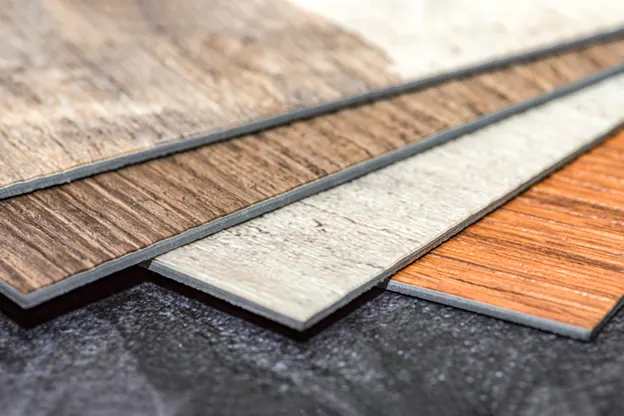
Today’s printing and embossing technology makes both look impressively real. Many LVP lines have textures that follow the wood grain, and LVT can mimic natural stone veining and even beveled tile edges. The deciding factor is simply which look you want in the room: tile or wood.
LVT vs LVP: Installation
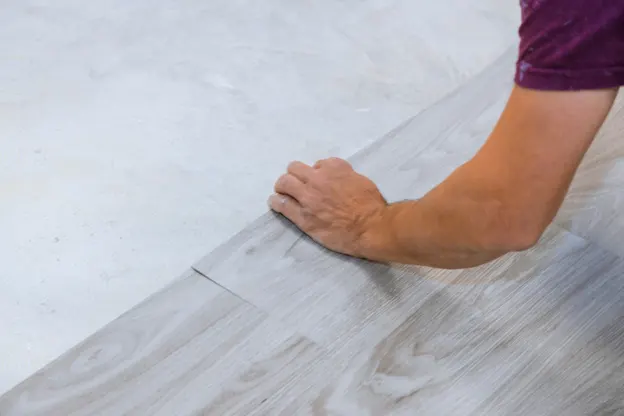
Both are faster to install than real tile or hardwood. Click-lock LVP and LVT float over a flat subfloor, and glue-down products bond directly to it. The most important step is floor prep: vinyl shows every bump and dip underneath, so the subfloor must be clean, flat and dry. Floating vinyl over old flooring is sometimes possible, but it can void the warranty if the old floor isn’t secure, so have a pro check first. Our vinyl flooring installation team handles the prep and leveling for you.
North Texas tip: Most homes here sit on concrete slabs. We test slab moisture before installing and choose the right underlayment. For rooms with big sunny windows, a rigid-core product handles North Texas temperature swings better. See our guide to SPC vs LVP flooring to learn more about rigid core.
LVT vs LVP: Care, Durability and Lifespan
Care is the same for both: sweep or vacuum (with the beater bar off) and damp-mop with a vinyl-safe cleaner. Skip steam mops and harsh chemicals. Both resist scratches, stains and everyday wear, and the wear layer thickness matters more than the shape: a thicker wear layer stands up better to pets and heavy traffic. With good care, quality luxury vinyl typically lasts 10 to 20 years or more.
LVT vs Real Tile: How Do They Compare?
If you’re weighing LVT vs tile (or LVP vs tile flooring), here’s the short version:
- Feel: Vinyl is warmer and softer underfoot. Tile is hard and cool.
- Durability: Porcelain tile is extremely hard and can last decades, but it can crack if something heavy drops. Vinyl can scratch or dent but won’t crack.
- Water: Both are waterproof on the surface. Tile with sealed grout is the gold standard for showers; vinyl is not for shower walls or floors.
- Cost and install time: Vinyl usually costs less and installs much faster.
For a full breakdown, read our tile vs vinyl flooring guide, or compare tile types in porcelain vs ceramic tile.
Pros and Cons of Luxury Vinyl Flooring
Pros:
-
- Realistic wood, stone and tile looks
- Waterproof surface, great for kitchens, baths and homes with pets
- Warmer and quieter underfoot than tile
- Usually costs less than real hardwood or stone
- Fast installation and easy cleaning
Cons:
- Can be dented by very heavy furniture or cut by sharp objects
- Can fade in strong direct sun without window coverings
- Doesn’t add the same resale value as real hardwood
Which Should You Choose?
- Choose LVT for a stone or tile look in bathrooms, laundry rooms and entryways.
- Choose LVP for a hardwood look that flows through kitchens, living areas and bedrooms.
Comparing other vinyl options? Read sheet vinyl vs vinyl plank and SPC vs LVP. Ready to see samples? We carry luxury vinyl from brands like DDC and Lux, and our vinyl flooring supply team brings samples to your home during a free in-home estimate. Financing is available.
Schedule your free in-home vinyl flooring estimate
LVT vs LVP FAQ
Is LVP the same as vinyl plank?
Yes. LVP stands for luxury vinyl plank. “Luxury” refers to the thicker build, realistic printed design and protective wear layer that set it apart from older, thinner sheet vinyl.
Is LVT or LVP more waterproof?
Both have a waterproof surface. Glue-down and grouted LVT seal the joints a bit better, which is why LVT is a favorite in bathrooms. Click-lock LVP handles everyday spills easily, but standing water should be wiped up quickly.
Is luxury vinyl plank or tile cheaper?
The materials cost about the same. Tile-look LVT can cost a little more to install when it’s laid in patterns or grouted. Both usually cost less than installing real ceramic or porcelain tile.
How long do LVT and LVP last?
With proper care, quality luxury vinyl tile and plank typically last 10 to 20 years or more. A thicker wear layer helps it last longer in busy homes.