News

Laminate Flooring

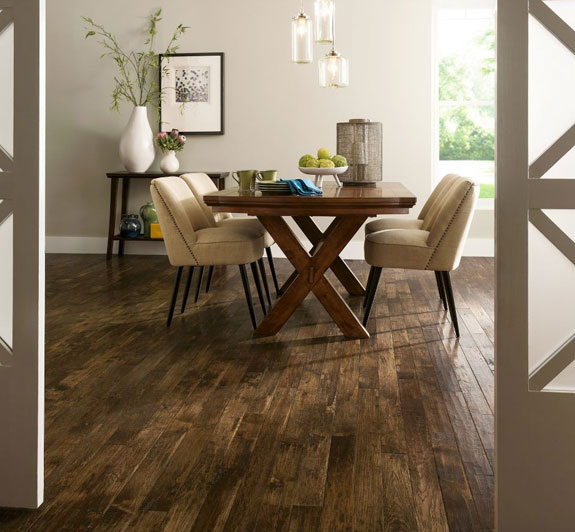
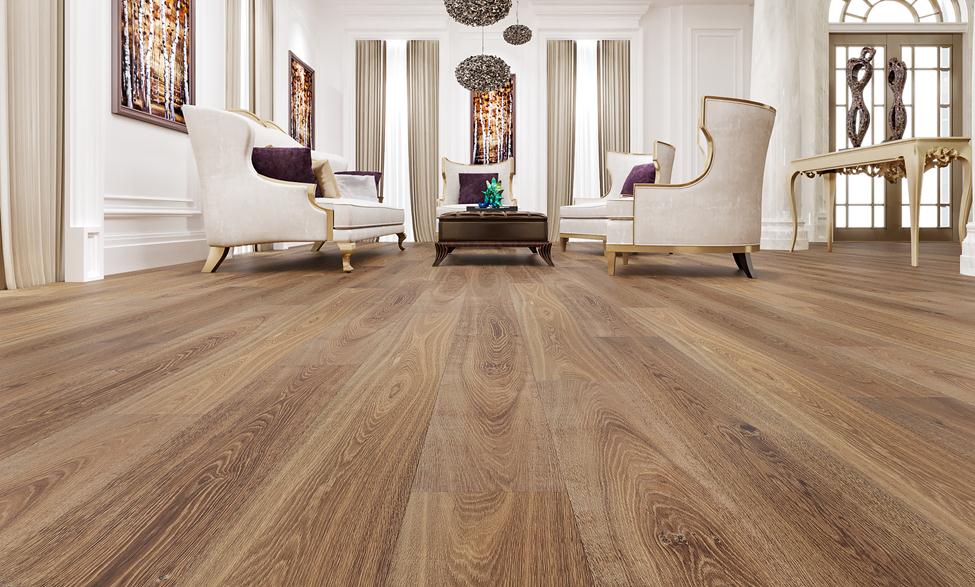
Understated Luxury: The Reliable Appeal of Laminate Floors

Laminate Flooring Installation: Real Costs, Factors & Ways to Save

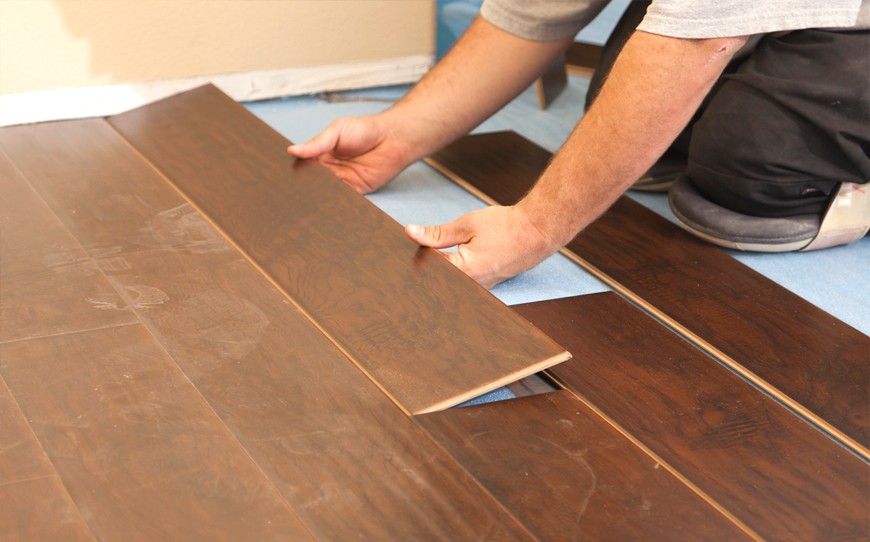
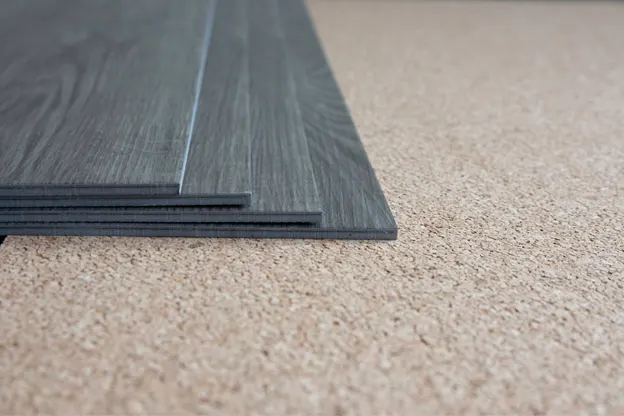
Planning a renovation? Laminate Flooring Installation is popular for its value, durability, and design range. To budget accurately, it helps to understand every cost driver—from materials and labor to subfloor prep and underlayment. Below is a clear breakdown, a 500 sq ft example, DIY vs. pro guidance, and simple ways to save without sacrificing quality.

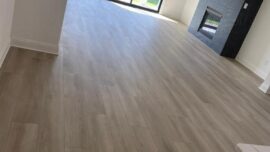
GC Flooring Pros, Laminate Flooring Installation in living room with cost considerations

What Influences Laminate Flooring Installation Costs?

Several factors affect the overall cost of Laminate Flooring Installation:

  1. Material Costs: Laminate ranges ~$1–$5/sq ft depending on thickness (AC rating), brand, and style.
  2. Labor Costs: Professional install typically runs $2–$8/sq ft, varying by layout complexity, stairs, and region.
  3. Subfloor Preparation: Cleaning, flattening, and repairs add $1–$3/sq ft when needed. (Flatness protects locking systems and warranties.)
  4. Underlayment: For cushion, sound, and minor imperfection bridging: about $0.30–$1/sq ft.
  5. Additional Materials: Transitions, trims, reducers, thresholds, adhesives, and moldings commonly add $1–$3/sq ft.

Breakdown of Average Installation Costs (500 sq ft)

Here’s a realistic snapshot for a 500 sq ft room:

  1. Material Costs: $1,500 (assuming $3/sq ft)
  2. Labor Costs: $2,500 (assuming $5/sq ft)
  3. Subfloor Preparation: $1,000 (assuming $2/sq ft)
  4. Underlayment: $250 (assuming $0.50/sq ft)
  5. Additional Materials & Supplies: $1,000 (assuming $2/sq ft)

Total Estimated Cost: $6,250

DIY vs. Professional Laminate Flooring Installation

DIY Laminate Flooring Installation

Pros
— Cost savings on labor
— Work on your own schedule

Cons
— Time-intensive; learning curve for cuts, expansion gaps, and transitions
— Risk of mistakes (locking failure, peaking, tapping damage) that lead to rework

Professional Laminate Flooring Installation

Pros
— Expertise for complex layouts and stairs
— Faster turnaround, warranty-compliant prep and expansion details
— Higher likelihood of a flawless finish

Cons
— Higher up-front cost
— You’ll book around the installer’s schedule

Tips to Save on Laminate Flooring Installation Costs

  1. Plan Ahead: Buy during seasonal promos or overstock sales.
  2. DIY Prep: Remove furniture, pull baseboards, and handle basic cleanup to reduce billed hours.
  3. Keep It Simple: Straight runs and fewer transitions mean less cutting and faster installs.
  4. Choose Value Lines: Mid-tier laminates (good AC rating) offer durability without premium pricing.
  5. Buy a Little Extra: 5–10% overage prevents rush reorders and extra trip charges.

FAQ About Laminate Flooring Installation Costs

  1. How long does Laminate Flooring Installation take?
    Typically 1–3 days for a single room, depending on size, trim, doors, and subfloor prep.
  2. Can I install laminate over existing floors?
    Yes, if the surface is flat, clean, and sound. Unevenness must be corrected to protect the click-lock and warranty.
  3. Is laminate ok for bathrooms?
    Generally no—unless the product is specifically rated for high moisture. Consider waterproof vinyl plank for full baths.
  4. How do I maintain laminate?
    Sweep or vacuum hard-floor setting, damp-mop (not wet), pads on furniture feet, and door mats at entries.
  5. Can damaged planks be repaired?
    Minor chips can be filled; larger damage usually means plank replacement.

Want it done right the first time? See how our team handles laminate flooring installation from prep to final trim.

Get a Precise Quote for Your Laminate Flooring Installation

Every home is different—layout, subfloor condition, stairs, and trims all affect price. We’ll measure, assess prep, and provide a clear, line-item estimate so there are no surprises.

Request your in-home estimate with GC Flooring Pros

Blog, Hardwood Flooring

The Timeless Appeal of Hickory Hardwood Flooring

Hickory Hardwood Flooring: Durable Beauty for Busy Homes

Hickory Hardwood Flooring stands out for stunning grain, superior durability, and one-of-a-kind character. Its rich tonal variation and high hardness rating make it a favorite for active households that want warmth and long-term performance. Below, we cover key benefits, unique characteristics, care tips, and quick answers to common questions—so you can decide if hickory is the right fit.

GC FLooring Pros, Natural variation: Hickory Hardwood Flooring adds depth and movement.

Why Choose Hickory Hardwood Flooring?

Exceptional Durability

Hickory is among the hardest domestic species. Its high Janka rating helps resist dents, scratches, and everyday wear—ideal for high-traffic spaces, pets, and kids.

Distinctive Appearance

Hickory Hardwood Flooring features dramatic grain with light-to-dark contrasts—often in the same plank—creating a visually striking, custom look in any room.

Timeless Elegance

Warm tones work with rustic, transitional, and contemporary interiors. Hickory’s character reads premium without feeling fussy or trendy.

Value Addition

Durability + beauty = resale appeal. Upgrading to hickory can increase perceived value and marketability when it’s time to sell.

installing hickory hardwood in the living room, Closeup grain: the signature, bold look of hickory.

Unique Characteristics of Hickory Hardwood Flooring

Grain Patterns

Bold, varied grain provides movement and interest. No two planks look alike, which is why designers love hickory for statement floors.

Color Variation

Expect hues from creamy beige to rich cocoa, with pronounced contrasts that add depth—even in minimalist spaces.

Density and Strength

As a dense species, hickory handles daily traffic exceptionally well and keeps edges and seams looking crisper over time.

Maintaining Hickory Hardwood Flooring

Regular Cleaning

Sweep or vacuum (hard-floor setting) 2–3x weekly. Clean with a hardwood-safe cleaner and a lightly damp microfiber pad. Avoid standing water.

Preventing Scratches

Use felt pads under furniture, entry mats at doors, and rugs in high-traffic zones. Trim pet nails and lift (don’t drag) heavy items.

Protecting from Sunlight

UV exposure can shift color over time. Rotate rugs and use blinds, curtains, or UV films to help balance light.

Refinishing

Solid Hickory Hardwood Flooring can be sanded and refinished to refresh the finish or change sheen. Engineered hickory often allows at least one light refinishing (check wear layer).

FAQ Section for Hickory Hardwood Flooring

Is Hickory Hardwood Flooring suitable for homes with pets?

Yes. Hickory’s hardness resists surface dents and scratches better than many species. Use pads, rugs, and regular cleaning for best results.

How does hickory compare to other hardwoods in durability?

Hickory is harder than common species like red oak and many maples, offering superior resistance to wear—great for busy households.

Can Hickory Hardwood Flooring be used in humid areas like bathrooms or basements?

Solid hardwood isn’t recommended in high-moisture rooms. Consider engineered hickory with a stable core for below-grade or fluctuating humidity—still follow moisture limits.

Best way to clean and maintain hickory?

Dry dust or vacuum regularly, spot-clean spills promptly, and use a hardwood-approved cleaner. Avoid steam mops and harsh chemicals.

For species hardness, finish types, and care best practices, visit the National Wood Flooring Association.

See Hickory in Your Space

Experience samples, compare finishes, and get expert guidance on solid vs. engineered options and site conditions. Our team will help you tailor Hickory Hardwood Flooring to your lifestyle and budget.

Request your free in-home estimate with GC Flooring Pros

White Oak

Bright Ideas: Incorporating White Oak Hardwood Floors into Your Interior Design

White Oak Hardwood Flooring: Timeless Elegance for Modern Homes

White Oak Hardwood Flooring has long been a designer favorite for its natural beauty, strength, and versatility. Its warm hues and refined grain complement a range of interiors—from farmhouse and coastal to minimalist modern. Whether you’re renovating or starting fresh, White Oak brings timeless sophistication and unmatched durability to your floors.

Timeless Appeal

White Oak Hardwood Flooring never goes out of style. Its soft golden and beige undertones add warmth, while its subtle grain brings sophistication without overpowering the space. The result is a surface that pairs beautifully with light, airy spaces and darker, moodier interiors alike.

Durability

White Oak is one of the most durable domestic hardwoods, with a tight, closed grain that naturally resists moisture better than many other species. This makes it ideal for high-traffic areas like kitchens, hallways, and living rooms. With proper maintenance, it will retain its elegance for decades.

Versatility

Few floors offer the flexibility of White Oak Hardwood Flooring. Its neutral tone and adaptability allow endless finishing options—from matte Scandinavian whitewashes to rich espresso stains. Whether you’re after a rustic, distressed look or a clean, modern aesthetic, White Oak delivers.

Closeup grain detail of White Oak Hardwood Flooring showing texture and color variation

Tips for Choosing and Installing White Oak Hardwood Flooring

#1 – Select the Right Grade: White Oak comes in a variety of grades, from clear premium planks with minimal imperfections to rustic boards full of natural knots and character. The choice depends on whether you want a refined, consistent appearance or more organic charm.

#2 – Choose the Right Finish: Consider how you live in your home. Water-based finishes offer low VOCs and a natural tone, while oil-based finishes deepen color and highlight grain. UV-cured finishes are extra durable for busy spaces.

#3 – Pick the Right Cut: The cut of the wood determines its look and performance. Learn more about the different types of woodcuts to make the best choice for your project:

  • Quarter Sawn: Offers straight grain, high stability, and distinct medullary rays for a refined, linear appearance.
  • Rift Sawn: Known for its tight, uniform grain lines—great for contemporary designs.
  • Rift and Quartered: A balanced, cost-effective combination of both cuts, offering durability and beauty.
  • Live Sawn: Includes multiple grain patterns within a single plank for a natural, striking effect.
  • Plain Sawn: The most common cut, showing cathedral grain patterns and traditional charm.

#4 – Hire a Professional Installer: While DIY may seem appealing, White Oak deserves expert handling. A professional installer ensures proper acclimation, alignment, and finishing for a result that’s both beautiful and built to last.

GC Flooring Pros, White Oak Hardwood Flooring being professionally installed with precision

FAQs About White Oak Hardwood Flooring

What are the benefits of White Oak Hardwood Flooring?

It combines timeless beauty with strength and versatility. White Oak suits nearly any style and can be refinished multiple times for lasting performance.

Is White Oak Hardwood Flooring suitable for high-traffic areas?

Yes. Its tight grain and hardness make it ideal for high-use spaces, holding up to daily activity while maintaining its elegant appearance.

Can White Oak Hardwood Flooring be refinished?

Absolutely. Solid White Oak can be sanded and refinished several times over its lifetime, allowing you to restore or change its look as trends evolve.

Does White Oak work with radiant heat?

Yes, it performs well with radiant heating systems when properly installed and acclimated, maintaining dimensional stability.

For expert technical guidance on species, finishes, and installation, visit the National Wood Flooring Association’s homeowner resources.

Bring the Elegance of White Oak Into Your Home

Ready to transform your home with White Oak Hardwood Flooring? Our team at GC Flooring Pros will guide you through product selection, grading, and finishes—ensuring beauty, durability, and precision installation every time.

Request your free in-home estimate today and discover how White Oak can elevate your space with lasting style and value.

Blog, House Renovation

Homeproof Flooring: The Ultimate Guide to the Most Durable Options on the Market

Most Durable Flooring: Your Guide to Long-Lasting Surfaces

Durability is a top priority for active households. Whether you’ve got kids, pets, or simply want low-maintenance surfaces, choosing the most durable flooring helps your home look great for years. Below we break down today’s toughest materials—how they wear, where they shine, and what upkeep they need—so you can pick the perfect fit for every room.

1) Laminate Flooring (High AC Ratings)

Laminate is a budget-friendly champion with a tough wear layer. Look for higher AC ratings (AC4–AC5) for improved abrasion resistance in busy spaces. It resists scratches from chair legs and pet claws, installs quickly with click-lock systems, and offers wood or stone visuals at a fraction of the cost.

  • Best for: Living rooms, bedrooms, hallways
  • Maintenance: Sweep/vacuum; damp-mop lightly
  • Watch outs: Not ideal for standing water; use entry mats

Subfloor in Frisco TX, Laminate as one of the most durable flooring options in a family room

2) Engineered Hardwood Flooring

Engineered hardwood layers real wood over a stable core, offering classic beauty with enhanced dimensional stability versus solid wood. It tolerates seasonal humidity changes better, and many products allow refinishing at least once depending on wear layer thickness.

  • Best for: Main living areas, home offices, dining rooms
  • Maintenance: Dry dust; hardwood-safe cleaner as needed
  • Watch outs: Avoid standing water; use pads under furniture

3) Luxury Vinyl Flooring (LVP/LVT)

Luxury vinyl blends durability with waterproof performance. It’s highly resistant to scratches, dents, and spills, and today’s embossing and print layers deliver convincing wood and stone looks. Rigid core (SPC) products add dent resistance in high-traffic zones.

  • Best for: Kitchens, baths, laundry rooms, basements
  • Maintenance: Sweep; damp-mop; quick spill cleanup
  • Watch outs: Use felt pads; protect from heavy point loads

LVT vs LVP, Luxury vinyl as a waterproof, most durable flooring option in kitchen

4) Porcelain Tile

Porcelain tile is fired at high temperatures, creating a dense body that resists scratches, stains, and moisture. It’s ideal for busy entryways and wet zones, and it’s also great for covered patios specified with the correct slip-resistance and frost ratings.

  • Best for: Entries, kitchens, bathrooms, mudrooms, some outdoor areas
  • Maintenance: Sweep; mop; periodic grout care
  • Watch outs: Hard underfoot—consider area rugs for comfort and warmth

5) Sealed/Polished Concrete

Concrete flooring (sealed or polished) offers near-industrial toughness and a modern aesthetic. With staining or dye, it can mimic stone or present a sleek gallery look, and it’s exceptionally resistant to heavy traffic and rolling loads.

  • Best for: Basements, modern living spaces, garages, studios
  • Maintenance: Dust mop; neutral pH cleaner; reseal per use
  • Watch outs: Hard underfoot; use rugs; manage acoustics with textiles

Quick Comparison: Most Durable Flooring at a Glance

Material Water Resistance Scratch/Dent Resistance Comfort Typical Use
Laminate (AC4–AC5) Moderate High (wear layer) Medium Living areas, bedrooms
Engineered Hardwood Moderate Moderate–High Medium Main floors, offices
Luxury Vinyl (LVP/LVT/SPC) Excellent (waterproof) High Medium Kitchens, baths, basements
Porcelain Tile Excellent Very High Low (hard) Entries, kitchens, baths
Sealed/Polished Concrete Excellent (when sealed) Very High Low (hard) Modern spaces, basements

FAQs About the Most Durable Flooring

What are the benefits of luxury vinyl flooring?

Luxury vinyl combines waterproof performance with strong scratch and dent resistance. It mimics wood, stone, or tile and is easy to clean—perfect for moisture-prone rooms.

How does engineered hardwood differ from solid hardwood?

Engineered hardwood uses a stable core beneath a real-wood top layer, reducing expansion/shrinkage versus solid wood. Many products can be refinished at least once depending on wear layer.

Is concrete flooring a good option for homes?

Yes. Sealed or polished concrete is extremely durable and design-flexible (staining, dye, and patterns). It’s hard underfoot, so consider rugs and acoustic treatments.

Want to compare every option side by side? Read our guide to the types of flooring and installation methods.

Get Expert Help Selecting the Most Durable Flooring

Every home is different—traffic patterns, moisture, pets, and budget all shape the right choice. Our team will measure, review subfloor conditions, and recommend a durable surface tailored to your lifestyle.

Request your in-home estimate with GC Flooring Pros

Carpet Flooring

The Timeless Elegance of Wool Carpets: A Natural Choice for Your Home

Wool Carpet: Timeless Luxury, Natural Performance

When it comes to enhancing the comfort and aesthetics of your living space, a wool carpet delivers timeless appeal. Known for its luxurious texture, long-term durability, and eco-friendly profile, wool stands out as a natural choice for homeowners seeking both style and sustainability.

Luxurious Comfort

One of the most enticing aspects of wool carpet is its unparalleled comfort underfoot. Unlike many synthetic fibers, wool’s natural crimp gives it plush resilience and warmth. Whether you’re walking barefoot or lounging on the floor, the inviting feel of wool is hard to beat.

wool carpet in living room providing plush comfort

Durability That Endures

Wool carpet is celebrated for exceptional durability. Its naturally strong fibers handle heavy foot traffic and recover well from compression, helping it maintain appearance for years. Unlike some synthetics that flatten or look tired, wool’s resilience keeps rooms looking fresh.

Timeless Elegance

With classic beauty and a refined, matte luster, wool carpet elevates any room. Available in heathers, solid tonals, and patterned weaves, it suits modern minimalism and traditional interiors alike. The breadth of colors, patterns, and textures makes design choices almost endless.

neutral wool carpet adding timeless elegance to bedroom

Eco-Friendly Choice

As a rapidly renewable natural fiber, wool is shorn from sheep and regrows annually. It’s biodegradable and recyclable—distinct from petrochemical-based synthetics. Choosing a wool carpet supports lower-impact materials without sacrificing performance.

Healthy Living

Wool fibers naturally capture dust and airborne particles until vacuumed, helping improve perceived indoor air quality. The fiber is also inherently soil- and stain-resistant thanks to its natural lanolin and scaly structure—an excellent fit for families with allergies or sensitivities.

Comparing Wool Carpets to Other Flooring

  1. Synthetic Carpets: Lower upfront cost, but often less resilient and can show wear sooner than wool. Many lack wool’s natural temperature and sound insulation.
  2. Hardwood Flooring: Beautiful and durable, but harder underfoot and may require more acoustic and thermal treatments. A wool carpet adds softness, warmth, and sound absorption.
  3. Laminate Flooring: Budget-friendly wood look, but without the tactile warmth of wool. Vulnerable to moisture compared to carpet’s forgiving comfort.

Care & Maintenance Tips

  • Vacuum regularly: Use a suction-only or hard-floor mode (avoid aggressive brush bars) to protect the pile.
  • Spot clean promptly: Blot—don’t rub—spills, then treat with a wool-safe cleaner.
  • Professional cleaning: Schedule periodic hot-water extraction with a wool-approved method.
  • Prevent wear: Use walk-off mats at entries and rotate furniture/rugs to even traffic patterns.

For fiber facts and care standards, see the Carpet & Rug Institute’s homeowner resources.

FAQs about Wool Carpets

Are wool carpets easy to clean?
Yes. Regular vacuuming and occasional professional cleaning keep a wool carpet looking its best. Many everyday spills lift readily with prompt blotting.

Are wool carpets suitable for households with pets?
Yes. Wool is naturally soil-resistant and controls odors well. Keep nails trimmed, use entry mats, and address accidents quickly with a wool-safe cleaner.

Are wool carpets prone to moth damage?
They can be if food residues and dust accumulate. Prevent by vacuuming regularly (including edges), keeping areas clean and dry, and considering moth-deterrent treatments where needed.

Are wool carpets suitable for high-traffic areas?
Yes. Wool’s resilience and recovery make it a smart choice for living rooms, stairs, and halls. Specify dense constructions and loop or patterned styles for extra durability.

See and Feel Wool in Your Home

Ready to experience the comfort and performance of a wool carpet? Our team will help you choose the right construction, color, and pattern—and handle professional installation.

Request your free in-home estimate with GC Flooring Pros


Blog, Water Damage

Waterproof Flooring Guide: What It Is, Benefits & Best Options

The quick answer

Waterproof flooring won’t swell or warp when it gets wet. Luxury vinyl plank (LVP), rigid core vinyl and porcelain or ceramic tile are truly waterproof.

Water-resistant flooring, like most laminate and engineered hardwood, handles everyday spills but not standing water. For kitchens, bathrooms and laundry rooms, LVP and tile are the safest picks.

When you’re planning a home renovation, few decisions matter more than your flooring, especially in rooms that see regular spills, humidity or standing water. Choosing waterproof or moisture proof flooring helps protect your home, cut long-term repair costs and keep moisture-heavy spaces like kitchens, baths and laundry rooms looking beautiful. Thanks to advances in flooring technology, homeowners have more water-friendly options than ever before.

What Is Waterproof Flooring?

Waterproof flooring is flooring that won’t swell, warp or break down when it gets wet, because the material itself doesn’t absorb water. Luxury vinyl plank (LVP), rigid core vinyl, porcelain and ceramic tile all fall into this group. Water-resistant flooring, like many laminates and engineered hardwoods, can handle spills for a limited time but can be damaged if water sits on it or seeps into the seams.

WaterproofWater-resistant
What it meansWater doesn’t damage the materialHandles spills for a limited time
ExamplesLVP, rigid core vinyl, porcelain and ceramic tileMost laminate, engineered hardwood
Best roomsKitchens, bathrooms, laundry rooms, mudroomsLiving rooms, bedrooms, hallways
If water sits on itThe floor is fine; wipe it up so it can’t reach the subfloorWipe it up quickly to prevent swelling

Crew tip

Waterproof planks protect the floor, not what’s under it. Wipe up standing water when you see it, and check the supply lines behind your dishwasher, fridge and washer once a year. A slow leak can reach the subfloor at the edges even when the planks look perfect.

What to Expect from “Moisture Proof” Flooring

Many products are marketed as waterproof, but an installed floor still has edges, transitions and seams where water can sneak through. That’s why it helps to think of these floors as highly moisture resistant. They handle spills, splashes and humidity far better than traditional wood or standard laminate, but they shouldn’t be submerged or left under water for long periods.

Benefits of Waterproof Flooring

  1. Spills are no big deal. Kitchens, bathrooms and laundry rooms get splashed every day, and waterproof floors wipe right up. It’s also a favorite for busy entryways (see our mudroom flooring guide).
  2. Ready for kids and pets. Water bowls, muddy paws and the occasional accident clean up easily, and a good wear layer resists scratches too.
  3. Easy to keep clean. A broom and a damp mop are all it takes. No waxing, no refinishing.
  4. Made for North Texas homes. Most homes here sit on concrete slabs and see big humidity swings. Rigid core vinyl and tile are much less likely to swell or cup than solid wood.
  5. Quieter than you’d expect. Many vinyl planks come with an attached pad. If noise matters, like in a two-story home or a condo, ask about the floor’s sound ratings. IIC measures footstep noise and STC measures airborne sound; a higher number means a quieter floor.

Want to see waterproof options in your own home? Explore our luxury vinyl flooring installation and book a free in-home estimate. We’ll bring samples to you.

Can I Use It Here? Waterproof Flooring by Room

FloorKitchenFull bathroomLaundry / mudroomLiving areas
LVP / rigid core vinylYesYesYesYes
Glue-down vinylYesYesYesYes
Porcelain / ceramic tileYesYesYesYes
Water-resistant laminateYesCheck the ratingCheck the ratingYes
Engineered hardwoodWith careNoNoYes
Waterproof carpetNoNoNoBedrooms and playrooms

1. Water-Resistant Laminate Flooring

Laminate has come a long way. Many brands now offer moisture proof flooring with sealed joints and water-resistant cores. These products handle spills and everyday moisture while giving you the look of hardwood at a lower price. It’s a strong option for kitchens and laundry rooms, and even some bathrooms when the product is rated for it and properly installed.

2. Tile Flooring (Porcelain & Ceramic)

Tile has long been the gold standard for water protection. Porcelain and ceramic tile are dense, durable and extremely water resistant, which makes them ideal for bathrooms and kitchens. With endless patterns, textures and sizes, tile is one of the most customizable waterproof flooring options.

3. Glue-Down Vinyl Flooring

Glue-down vinyl excels in high-moisture rooms because it bonds firmly to the subfloor, which reduces the risk of water getting underneath. It offers excellent water resistance, long-term durability and a wide range of wood- and tile-look styles. It needs professional installation, and it rewards you with outstanding performance.

4. Engineered Hardwood Flooring

Solid hardwood isn’t suited to wet areas, but engineered hardwood is more stable around moisture thanks to its layered construction. It isn’t waterproof, but it works as moisture resistant flooring in kitchens and living areas where spills are occasional and wiped up quickly.

5. Waterproof Carpet Options

Modern waterproof carpets use water-repellent fibers or a waterproof backing that keeps spills from soaking into the pad. You get softness underfoot with real spill protection, which makes them a great fit for playrooms, bedrooms and family rooms.

6. Moisture Proof Flooring for Kitchens

Kitchens need flooring that handles constant spills, dropped liquids and steam. Waterproof luxury vinyl and water-resistant laminate are the leading choices for moisture proof kitchen flooring. We carry waterproof lines from Lux and Lions Floor, with realistic wood textures that hold up in busy households.

7. Moisture Resistant Flooring for Bathrooms

Bathrooms need flooring that tolerates daily humidity and the occasional puddle. Tile is a top performer, and we carry porcelain and ceramic from Emser and Marazzi. Rigid core vinyl is a warmer, softer alternative that won’t swell or warp.

Buying Guide: Choosing Moisture Proof Flooring

  1. Assess the room: Think about humidity, leak risk and how often spills happen.
  2. Consider your budget: Balance upfront cost with long-term durability and easy maintenance.
  3. Check the warranty: Look for a water-resistance or waterproof rating backed by the manufacturer’s warranty.
  4. Talk to a pro: A flooring specialist can explain real-world performance and what your subfloor needs. Our in-home estimates are free, and we bring samples with us.
  5. Plan the installation: Proper sealing, transitions and underlayment are critical for moisture protection.

Conclusion

The right waterproof flooring protects your home for years, especially in kitchens, bathrooms and laundry rooms. With today’s flooring materials, you can have both style and durability without compromising on moisture performance.

Not sure which waterproof floor fits your home?

We’ll bring samples to your home for a free in-home estimate in Frisco, Plano, Prosper and nearby. Financing is available.

Get a free estimate

FAQs About Waterproof Flooring

What is the difference between waterproof and water-resistant flooring?

Waterproof flooring, like LVP and porcelain tile, isn’t damaged when it gets wet. Water-resistant flooring, like most laminate and engineered hardwood, handles spills for a limited time but can swell if water sits on it or gets into the seams.

Is moisture proof flooring truly waterproof?

No floor is waterproof in every situation. The material itself may shrug off water, but leaks can still reach the subfloor at edges and seams. As installers who rebuild homes after water damage, we’ve seen every flooring type affected by leaks. Quick cleanup and a good installation make the biggest difference.

How does waterproof vinyl differ from standard vinyl?

Waterproof vinyl planks are built with a core that doesn’t absorb water, usually a rigid stone-plastic composite (SPC) or wood-plastic composite (WPC), so they won’t swell. That makes them ideal for kitchens, bathrooms and laundry rooms.

What is a good sound rating for vinyl flooring?

Look at two numbers: IIC (impact noise, like footsteps) and STC (airborne noise, like voices). Higher is quieter. Building codes for apartments and condos generally call for at least 50 on both, and many HOAs ask for more, so check your HOA’s rules before you buy. An attached pad or a quality underlayment raises both ratings.

Can moisture proof flooring be installed over existing tile or hardwood?

Often, yes, as long as the existing floor is flat, clean and structurally sound. Always follow the manufacturer’s installation guidelines. We check this during your free in-home estimate.

How do I maintain waterproof flooring?

Sweep or vacuum regularly, clean up spills quickly and use a mild cleaner. Avoid steam mops unless the manufacturer specifically allows them.