News

Laminate Flooring

Step Into Style: A Comprehensive Guide to the Best Laminate Flooring Brands

The Best Laminate Floor Brands in 2025: What to Know Before You Buy

Choosing the right flooring can completely transform your home. Laminate remains one of the most popular choices for style, durability, and value. In this guide, we highlight the best laminate floor brands in 2025 and what each one does best—from affordability to eco-conscious design.

What Is Laminate Flooring?

Laminate flooring is a multi-layer product that replicates natural hardwood or stone textures at a more affordable cost. The best laminate floor designs combine strength, moisture protection, and stunning realism thanks to advanced printing and finishing technologies.

The Four Layers of Laminate Flooring

  1. Wear Layer – Protects against scratches, stains, and fading.
  2. Design Layer – A high-resolution image that mimics real wood or stone.
  3. Core Layer – High-density fiberboard (HDF) or MDF for structural stability and impact resistance.
  4. Backing Layer – Adds balance and moisture resistance to prevent warping.

1. Best Budget Option: Pergo

Pros

  • Affordable without sacrificing durability.
  • Wide variety of wood-look finishes.
  • Easy, DIY-friendly click-lock installation system.

Cons

  • Premium collections can cost more.
  • Availability varies by region.

2. Best for Durability: Shaw Industries

Pros

  • Excellent scratch and dent resistance.
  • Moisture-resistant surfaces for high-traffic rooms.
  • High AC durability ratings suitable for busy homes.

Cons

  • Higher cost, but outstanding lifespan and warranty coverage.

3. Best for Realistic Design: Quick-Step

Pros

  • Ultra-realistic wood and stone visuals.
  • Premium hand-scraped and embossed textures.
  • Strong click systems for tight, secure seams.

Cons

  • Priced higher than entry-level laminate flooring.

4. Best Eco-Friendly Choice: Mohawk

Pros

  • Uses recycled content and low-emission materials.
  • GREENGUARD Gold and FloorScore certified for indoor air quality.
  • Durable water-resistant technology in premium lines.

Cons

  • Smaller style selection compared to larger brands.

General Pros and Cons of Laminate Flooring

Pros

  • Affordable alternative to hardwood or tile.
  • Extensive designs to match any home style.
  • DIY-friendly floating installations save labor costs.
  • Low-maintenance and easy to clean.

Cons

  • Not ideal for high-moisture areas unless rated as waterproof.
  • Can scratch under heavy furniture—use felt pads to protect the surface.
  • Cannot be refinished once worn.

Conclusion

Choosing the best laminate floor depends on your household’s needs, lifestyle, and budget. Pergo remains the best budget-friendly choice, Shaw stands out for unmatched durability, Quick-Step delivers top-tier aesthetics, and Mohawk leads in eco-friendly innovation. Each brand offers unique advantages—select the one that aligns with your vision for a lasting, beautiful floor.

For more insight and installation services, explore our flooring services page to compare materials and request professional advice.

FAQ: Best Laminate Floor Brands

Can laminate flooring be installed in kitchens or bathrooms?

Yes—many of the best laminate floor brands offer waterproof or water-resistant lines ideal for kitchens, bathrooms, and basements. Always confirm product ratings before installation.

How do I maintain laminate flooring for longevity?

Regular sweeping and occasional damp mopping with laminate-safe cleaners will help maintain your floor’s shine. Avoid steam mops and harsh chemicals.

Are there eco-friendly laminate brands?

Yes. Mohawk and other certified brands use recycled materials and low-VOC finishes for safer indoor air quality.

Can laminate flooring be installed over existing flooring?

In many cases, yes. The floating installation method allows laminate to be placed over tile, vinyl, or hardwood, provided the surface is level and dry.

For additional industry standards and certifications, visit the National Wood Flooring Association.

Mudroom Flooring
Blog, Hardwood Flooring, How-to, Tile Flooring

The Best Flooring for Your Mudroom: A Durability Guide

The Best Flooring for Your Mudroom: A Durability Guide

Why Mudroom Flooring Matters More Than You Think

Your mudroom takes more abuse than almost any other room in your house. Wet boots, muddy paws, dropped backpacks, salt tracked in during a rare North Texas ice storm — this small entry space absorbs a disproportionate amount of daily wear. Choosing durable flooring for a mudroom isn’t just about looks; it’s about picking a surface that can handle moisture, grit, and constant foot traffic without breaking down in a year or two.

The good news: you have real options, and they don’t all cost the same or perform the same way. This guide breaks down the four most common mudroom flooring materials, what to expect from each, and how to think about design and budget before you commit.

Material Comparison: What Actually Holds Up in a Mudroom

Tile

Porcelain and ceramic tile are the classic mudroom choice for good reason. They’re essentially waterproof, resist scratching from claws and cleats, and clean up with a quick mop. The tradeoff is a harder, colder surface underfoot, and grout lines that need occasional sealing to stay stain-resistant.

Best for: Homes with dogs, muddy yards, or anyone who wants a “wipe it and forget it” surface.

Luxury Vinyl Plank (LVP)

LVP has become a favorite for mudrooms because it combines near-total water resistance with a warmer, more forgiving feel than tile. Modern LVP also mimics wood grain convincingly, so you don’t have to sacrifice style for practicality. It’s more resistant to cracking than tile if something heavy gets dropped, and it’s typically less expensive to install.

Best for: Homeowners who want wood-look style without wood’s moisture vulnerability.

Epoxy

Epoxy coatings are seamless, extremely durable, and completely waterproof — no grout lines, no seams for water or dirt to hide in. They’re common in garages and increasingly popular in mudrooms that see heavy equipment traffic (think: hunting boots, sports gear, garden tools). The downside is a more involved installation process and a look that reads more “utility” than “designed living space” unless you invest in decorative flake or color options.

Best for: High-traffic households prioritizing pure durability over design flexibility.

Engineered Wood

If you want your mudroom to visually connect to an adjacent hardwood hallway or kitchen, engineered wood with a durable finish can work — but it’s the least moisture-tolerant option on this list. It requires more diligence about standing water and is generally not recommended if your mudroom regularly deals with wet boots or pet paws without a mat buffer.

Best for: Low-moisture mudrooms where visual continuity with adjoining wood floors matters most.

Durability & Moisture Considerations

Before choosing a material, ask yourself honestly: how wet does this room actually get? A mudroom that mainly handles dry backpacks and shoes has more flexibility than one that’s the primary entry point after yard work or dog walks in the rain. Look for:

  • Water resistance rating — fully waterproof (tile, LVP with waterproof core, epoxy) vs. water-resistant (some engineered wood)
  • Slip resistance — a wet mudroom floor with low slip resistance is a real fall hazard; check the material’s slip rating, especially for tile
  • Ease of cleaning — grout lines (tile) require more maintenance than seamless surfaces (epoxy, most LVP)

Design & Style Ideas

A mudroom doesn’t have to look purely functional. Consider:

  • A herringbone LVP pattern for visual interest without sacrificing durability
  • Contrasting tile at the entry threshold with a different floor material in the rest of the house, creating a natural transition zone
  • Darker tile or LVP tones to hide dirt and scuffs between cleanings
  • A textured, slip-resistant tile finish near exterior doors where water tracking is heaviest

Cost Ranges

These are typical per-square-foot material and installation ranges — actual pricing depends on your specific space, subfloor condition, and material grade:

  • Tile: $8–$15/sq ft installed (mid-range porcelain)
  • LVP: $5–$10/sq ft installed
  • Epoxy: $6–$12/sq ft installed
  • Engineered wood: $8–$14/sq ft installed

Get a firm quote for your specific space — square footage, subfloor prep, and material grade all affect the final number.

FAQ

What’s the most durable flooring for a mudroom with dogs? Tile and epoxy tend to hold up best against claws and repeated moisture. LVP is a close second and offers a softer landing for both paws and people.

Can I put hardwood in a mudroom? You can, but it’s the riskiest choice if the room regularly deals with wet shoes or pets. Engineered wood with a durable finish is a safer bet than solid hardwood if you want the look.

Do I need a floor mat even with waterproof flooring? Yes — a good boot tray or absorbent mat still helps contain grit and standing water before it spreads, extending the life of any flooring choice.

How long does mudroom flooring installation typically take? Most mudroom-sized installations (60–120 sq ft) take one to two days, depending on subfloor prep needs.

Is epoxy flooring slippery when wet? Not if installed with a proper slip-resistant additive in the topcoat — ask your installer about this specifically for mudroom applications.

Ready to Upgrade Your Mudroom?

Whether you’re leaning toward tile, LVP, epoxy, or something else, our team can walk you through the right choice for your specific space and household. Request a free consultation and quote today.

sunroom flooring
About Floors, Blog, Interior Design

What is the Best Sunroom Flooring? Hardwood, Tile, or LVP?

Best Sunroom Flooring: What Actually Holds Up

Why Sunroom Flooring Is a Different Challenge

Sunrooms are one of the toughest environments in your home for flooring. Between direct UV exposure, temperature swings from near-freezing mornings to warm afternoons, and often higher humidity than the rest of the house, a sunroom floor works harder than almost anywhere else. The best flooring for a sunroom needs to resist fading, handle expansion and contraction from temperature changes, and tolerate the occasional humidity spike without warping.

Material Durability Comparison

Porcelain Tile

Tile is arguably the most bulletproof choice for a sunroom. It doesn’t fade from UV exposure, doesn’t expand or contract meaningfully with temperature swings, and handles humidity without issue. Its main downside is that it can feel cold in cooler months unless paired with radiant heating. Similarly, porcelain tile is also our recommendation for resilient mudroom flooring. Even though a mudroom is not exposed to the elements like a patio, the wear and tear is comparable as a high traffic area.

Luxury Vinyl Plank (LVP)

Quality LVP handles moisture well and is more forgiving underfoot than tile, but not all vinyl is created equal here — cheaper vinyl can fade or discolor with prolonged direct sun exposure. Look specifically for UV-resistant or UV-stabilized LVP products if you’re installing in a sunroom with significant south- or west-facing glass.

Engineered Wood

Engineered wood can work in a sunroom, but it’s the most sensitive of the three to both UV fading and humidity-driven expansion. If you choose engineered wood, prioritize a finish rated for UV resistance and be prepared for more seasonal movement than you’d see elsewhere in the house.

UV Resistance: Why It Matters More Here Than Anywhere Else

Sunrooms are designed to maximize natural light — which means your floor gets more consistent, direct UV exposure than any other room. Over time, UV rays can fade color, especially in lower-end vinyl and unfinished or lightly-finished wood products. When shopping for sunroom flooring, ask specifically about:

  • UV-inhibiting wear layers (common in higher-end LVP)
  • UV-cured finishes (for wood products)
  • Whether the manufacturer’s warranty covers UV fading specifically — many general flooring warranties exclude it

Moisture & Humidity Handling

Sunrooms often run warmer and more humid than the rest of the house, especially if they’re not on the same HVAC zone. This matters most for wood-based products, which can expand, contract, or cup if humidity swings are significant. Tile is essentially immune to this issue, and quality waterproof-core LVP handles it well. If you’re set on a wood look, engineered wood generally handles humidity better than solid hardwood, but neither is ideal for a sunroom with poor climate control.

This applies for most areas of high humidity in the home like mudrooms (which are close to an exterior doorway), bathrooms, and laundry rooms. These areas of the home vary significantly in humidity day by day and month to month. When caring for any floor other than tile, humidity and moisture are two elements to be mindful of for long lasting performance in your floors.

Design & Style Ideas

  • Large-format tile in a matte finish reduces glare from direct sunlight
  • Wood-look LVP gives you a warm aesthetic without wood’s climate sensitivity
  • Light, neutral tones help sunrooms feel airy and connected to the outdoors — but check UV-fade resistance specifically for lighter colors, which can show fading and yellowing more visibly than darker tones

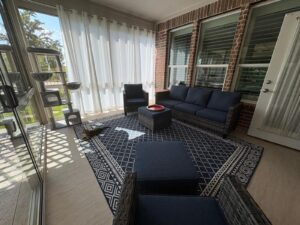
bright sunroom with large-format tile; travertineLVP sunroom installation

Ready to Choose Your Sunroom Flooring?

From elevated elegance (engineered hardwood) to ultra-durable (tile) and family-friendly (LVP), we’ll help you match material, color, and layout to your sunroom’s light, use, and budget.

Get expert guidance and pricing—schedule your Free In-Home Estimate with GC Flooring Pros today.

Explore more: Browse Hardwood, Tile, and LVP options to find your perfect sunroom flooring.

best wood flooring for dogs
Blog, Hardwood Flooring

The Best Wood Flooring for Dog-Friendly Homes: Durability and Cost Considerations

If you’re a dog owner, choosing the best wood flooring for dogs is essential. Your flooring should be durable, scratch-resistant, and beautiful enough to elevate your home’s design. After years of helping homeowners choose the right flooring—even in busy, pet-filled homes—I’ve rounded up the top hardwood species that perform exceptionally well with dogs.

In this guide, we break down oak, maple, hickory, and Brazilian walnut, comparing their durability, scratch resistance, and long-term performance. We also cover other pet-friendly floors worth considering: LVP, porcelain tile and pet-proof carpet.

Why You Can Trust This Review

With years of hands-on flooring experience, I’ve seen how different wood species perform in real homes with real pets. I’ve helped hundreds of dog owners choose flooring that stands up to claws, playtime, spills, and daily wear. These recommendations reflect technical knowledge, customer experiences, and industry-backed performance.

Quick Comparison Chart

Wood TypeAverage PriceDurability (1–10)Water Resistance (1–10)
OakAffordable94
MapleModerate85
HickoryMid to High93
Brazilian WalnutHigh102

Our Top Choices: The Best Wood Flooring for Dogs

1. Oak

Oak is one of the best wood flooring for dogs thanks to its durability and naturally strong grain. Its warm tones and versatile color options make it a favorite among homeowners.

Pros

  • Durable and long-lasting
  • Wide variety of colors
  • Good natural scratch resistance

Cons

  • Moderate water resistance
  • Requires occasional maintenance

Why Oak Works Well for Dogs

Oak handles daily wear from dog claws extremely well. Pet owners consistently report that oak floors maintain their appearance even in active homes. Its grain texture also helps hide small scratches, making it one of the most forgiving hardwood species.

2. Maple

Maple’s dense grain structure makes it another strong contender for the best wood flooring for dogs. It offers a bright, clean appearance that works well in modern homes.

Pros

  • Strong and dense wood structure
  • Extensive color options

Cons

  • Moderate scratch resistance compared to oak
  • May need periodic maintenance

Why Maple Is a Smart Choice

Homeowners praise maple for its ability to withstand energetic dogs and daily activity. Its durability and smooth finishes make it a reliable long-term choice.

3. Hickory

Hickory is one of the hardest domestic hardwoods, making it an excellent choice for dog owners who want flooring built to handle heavy traffic and rough play.

Pros

  • Extremely durable
  • High scratch resistance

Cons

  • Lower water resistance
  • Fewer color options

Why Hickory Is Great for Pet-Friendly Homes

Pet owners continually praise hickory’s ability to hide scratches and maintain its strength over time. Its bold grain pattern adds character, making it both practical and visually appealing.

4. Brazilian Walnut (Ipe)

Brazilian walnut is one of the hardest woods available, making it an exceptional option when choosing the best wood flooring for dogs. Its deep, rich color adds luxury to any room.

Pros

  • Incredible durability
  • Excellent scratch resistance

Cons

  • Limited color range
  • Lower water resistance than expected

Why Brazilian Walnut Stands Out

This hardwood is famous for its ability to withstand virtually anything. Dog owners love how well it resists dents and scratches, even in households with multiple pets.

Buying Guide: Choosing the Best Wood Flooring for Dogs

What to Look For

  • Strong protective coatings such as aluminum oxide
  • High Janka hardness rating
  • Scratch-resistant finishes
  • Engineered wood for better stability

Shopping Tips

Keep both durability and maintenance in mind. Harder woods resist dents better, while textured finishes hide imperfections caused by active pets.

Trusted Brands

Choose flooring brands known for quality and durability. Visit our hardwood flooring page to explore tested and reliable options for dog-friendly homes.

For general guidance on dog care and home environments, check out the American Kennel Club (AKC).

Other Pet-Friendly Floors to Consider

Hardwood isn’t the only way to get a beautiful floor that stands up to dogs. If your home has a puppy in training, a big dog with big claws, or a pet that loves the backyard sprinkler, these pet friendly floors are worth a look. Many families mix them: hardwood in the living areas, and something tougher in the kitchen, mudroom or wherever the water bowl lives.

Luxury Vinyl Plank (LVP)

LVP is the most popular pet-friendly floor we install. Quality LVP is waterproof, so accidents and water-bowl splashes wipe right up without soaking into the boards. A protective wear layer on top resists everyday scratches from claws, and LVP is quieter and warmer underfoot than tile. For homes with large or very active dogs, ask about a thicker wear layer. It’s the part that takes the scratches. See our vinyl plank flooring installation services to explore options.

Porcelain Tile

Porcelain tile is about as close to claw-proof as flooring gets. It doesn’t scratch, it’s waterproof, and it stays cool, which dogs appreciate during a North Texas summer. Wood-look porcelain gives you the hardwood style with none of the worry. Choose a matte or textured finish so paws don’t slip, and add a rug where older dogs like to rest, since tile is hard on joints. A darker grout color also hides the dirt that comes in on paws.

Pet-Proof Carpet

If you love soft floors in the bedrooms or the family room, today’s pet-friendly carpets are built for life with dogs. Look for stain-resistant fibers and a cut pile rather than a loop pile, because loops can snag on claws. A moisture-barrier pad underneath keeps accidents from soaking into the padding and subfloor. Learn more in our guide to types of carpet.

Pet-friendly floorScratch resistanceAccidents & waterComfort for dogsRelative cost
Hardwood (hard species)GoodWipe up fastWarm, natural$$–$$$
Luxury vinyl plank (LVP)Very goodWaterproofQuiet, warm$–$$
Porcelain tileExcellentWaterproofCool, hard on joints$$–$$$
Pet-proof carpetNo scratchesStain-resistant, clean quicklySoft, best grip$–$$
🛠️
Crew tip: mix floors by room

You don’t have to pick one floor for the whole house. A lot of our dog-owning families in Frisco, Plano and Prosper put hardwood in the living and dining rooms, LVP or tile in the kitchen and mudroom, and pet-proof carpet in the bedrooms. Every room gets the floor that fits how your dog uses it.

Conclusion

Oak, maple, hickory, and Brazilian walnut are all excellent choices when selecting the best wood flooring for dogs. Each species offers its own balance of durability, scratch resistance, and aesthetic appeal. When choosing the right flooring, consider your dog’s size, activity level, and your home’s style.

To explore high-quality wood flooring options, visit GC Flooring Pros for expert recommendations and installation services.

See pet-friendly floors in your own home

We bring hardwood, LVP, tile and carpet samples to your door in Frisco, Plano, Prosper and across North Texas. Your in-home estimate is free.

Book my free in-home estimate

FAQ: The Best Wood Flooring for Dog-Friendly Homes

Will these wood floors show scratches from dog claws?

No wood is 100% scratch-proof, but the options listed above have high scratch resistance. Using rugs and keeping nails trimmed will help minimize wear.

Can these wood floors handle accidents and spills?

These hardwoods offer moderate water resistance, but spills should always be cleaned quickly to protect the boards.

Can these wood floors be refinished?

Yes. Oak, maple, hickory, and Brazilian walnut can all be refinished to restore their original beauty.

What are the most pet-friendly floors?

LVP and porcelain tile are the most pet-friendly floors for scratches and accidents, since both are waterproof and very scratch-resistant. If you want real wood, choose a hard species like hickory or oak with a textured finish. For soft floors, pet-proof carpet with stain-resistant fibers works well in bedrooms.

Choosing the best wood flooring for dogs is all about balancing durability, style, and practicality—so you can enjoy a beautiful home that also supports the lifestyle of your furry best friend.


Blog, Laminate Flooring

Laminate vs Vinyl Flooring: Why Laminate is Making a Comeback in 2025

Laminate vs Vinyl Flooring: Which Is Better for Your Home?

When it comes to popular flooring types, laminate and vinyl are common choices. Both materials have improved in durability, style, and cost over the last decade. By 2025, laminate flooring is gaining popularity due to new technology and better performance.

If you’re choosing between laminate and vinyl, this guide covers key points: durability, water resistance, installation, cost, style, eco-friendliness, and contractor insights. We’ll also explore real-world scenarios to help you understand when laminate vs LVP makes more sense for your lifestyle and home needs.

What Is Laminate Flooring?

Laminate flooring is a synthetic floor material made from compressed layers. The top wear layer resists scratches and fading. Below that, an image layer gives it a realistic look, mimicking wood, stone, or tile. A dense fiberboard core adds strength, making it great for high-traffic areas and busy households.

Homeowners who love the look of premium hardwood but want something budget-friendly often compare laminate flooring vs vinyl to see which one looks more natural. Laminate tends to take the lead here because of its deeper embossing and convincingly textured grain.

Advantages of Laminate Flooring

  1. Durability & Scratch Resistance: Laminate is highly scratch-resistant, perfect for homes with kids or pets. The strong wear layer defends against dents, scuffs, and daily wear that might show more quickly on vinyl surfaces.
  2. Realistic Visuals & Style Options: Modern laminate uses ultra-HD printing and deep textures, mimicking premium hardwood at a lower price. If you’re drawn to trends like European oak, herringbone, or wire-brushed planks, laminate often offers the most realistic version.
  3. Cost-Effective: Laminate offers a high-end look without the hefty price tag. It’s often more affordable than vinyl flooring, especially when homeowners are comparing laminate vs lvp products in the same style category.
  4. Easy Installation and Low Maintenance: Laminate’s click-lock installation is quick and simple. Maintenance is easy—just sweep and damp mop. For more tips, see our guide to laminate floor care. Many DIYers choose laminate over vinyl because its rigid structure makes installation more predictable.

What Is Luxury Vinyl Plank Flooring (LVP)?

Luxury vinyl plank (LVP), or LVP flooring, is a modern type of vinyl flooring. It’s thicker, more durable, and realistic compared to sheet vinyl. Made from PVC and layered components, LVP provides comfort, water resistance, and versatile styling.

When researching vinyl vs laminate flooring, homeowners often look at durability vs moisture resistance. Vinyl shines in moisture-prone spaces, but laminate often offers better depth and dimension in its visual appearance.

Composition of Vinyl Flooring

  1. Wear Layer: A clear coating that protects against scratches and stains.
  2. Design Layer: Printed visuals that imitate wood or stone.
  3. Core Layer: Adds stability and waterproofing.
  4. Backing Layer: Provides support and moisture resistance.

Advantages of Vinyl Flooring

  1. Waterproof & Moisture Resistant: Vinyl flooring is fully water-resistant, making it ideal for bathrooms, kitchens, and basements—its biggest advantage in the laminate vs vinyl plank flooring debate.
  2. Wide Range of Styles: LVP comes in many patterns, from rustic wood to modern stone. While laminate tends to win in realism, vinyl offers more versatility for homeowners who want tile or stone visuals.
  3. Soft, Comfortable Underfoot: Vinyl’s flexible structure provides a cushioned feel that many homeowners enjoy, especially in rooms where you stand often, such as kitchens or laundry rooms.
  4. Low Maintenance: Vinyl resists stains and fading, making it easy to clean—just sweep and mop. This is one of the top reasons many families compare vinyl vs laminate flooring when looking for low-fuss living.

Expert Insight: Why Laminate Is Making a Comeback

Contractor’s Take: “Laminate is coming back because luxury vinyl plank isn’t as tough. LVP can be sensitive to moisture, while laminate is thicker and installs tighter.”

Laminate vs Vinyl Flooring

Homeowners in 2025 are choosing laminate again because:

  • Laminate visuals are more realistic than ever.
  • Laminate is more eco-friendly than PVC-based vinyl.
  • Laminate has better scratch resistance.
  • Laminate is usually cheaper than luxury vinyl plank.

Technology Improvements in Laminate Flooring

Today’s laminate uses high-definition printing and embossed textures to closely mimic hardwood. Deep grain patterns and matte finishes make it hard to tell apart from real wood. Some newer products include water-resistant cores, bridging the gap in the laminate vs lvp comparisons for moisture performance.

Eco-Friendly Options

Laminate often uses recycled wood fibers and low-VOC adhesives. For eco-conscious homeowners comparing laminate vs vinyl flooring, laminate is usually the greener choice. Vinyl is PVC-based, which can make some homeowners hesitant if sustainability is a top priority.

Real-World Scenarios: Which Flooring Fits Your Home?

Sometimes, the choice between laminate flooring vs vinyl comes down to lifestyle. For example:

  • Active families with pets: Laminate wins with scratch resistance.
  • Homes with moisture concerns: Vinyl is safer for bathrooms, laundry rooms, or basements.
  • Design-focused remodels: Laminate creates a more natural, hardwood-like atmosphere.
  • Rental properties: Vinyl is often chosen for cost-efficiency and waterproofing.

Thinking through these real-world factors is a key part of deciding which side of the vinyl vs laminate flooring debate aligns best with your home.

Feature Laminate Flooring Vinyl Flooring
Durability Best for scratch resistance; ideal for homes with pets and high-traffic areas. Better for dent resistance and offers more flexibility underfoot.
Water Resistance Water-resistant options exist, but laminate is not fully waterproof. Fully waterproof; excellent for wet areas, kitchens, bathrooms, and basements.
Aesthetic Appearance Offers some of the most realistic wood visuals on the market. Comes in many styles; realism varies by brand, thickness, and wear layer.
Installation Fast and easy click-lock installation. Available in glue-down, loose-lay, or click-lock formats.
Lifespan Typically lasts 15–25 years with proper care. Typically lasts 15–20 years depending on wear layer quality.

Check out this resource from The Spruce: Laminate vs Vinyl Flooring (The Spruce).

FAQs About Laminate vs Vinyl Flooring

  1. Is laminate or vinyl flooring more durable? Laminate is more scratch-resistant, while vinyl resists dents and moisture better. Both perform well long-term, but choosing between laminate flooring vs vinyl usually depends on your household activity level.
  2. Which flooring is better for kitchens and bathrooms? Vinyl flooring is waterproof, making it better for moisture-prone areas. Laminate shouldn’t stay in standing water.
  3. Does laminate look more realistic than vinyl? Yes. Laminate typically offers more realistic wood visuals due to its photographic layer and textured finishes.
  4. Which flooring is easier to install? Both have click-lock options, but laminate is faster due to its rigid structure.
  5. How long do laminate and vinyl floors last? Laminate lasts 15–25 years; vinyl lasts 15–20 years. Quality products can last longer.
  6. Is laminate more eco-friendly? Laminate is generally more sustainable because it uses recycled wood fibers, while vinyl is PVC-based.

If you’re in the northern Dallas, TX area and need help choosing between laminate and vinyl flooring—or want help understanding the details of laminate vs LVP options—our team at GC Flooring Pros is ready to assist. Request a free in-house estimate for tailored recommendations.

Ready to Upgrade Your Home?

Schedule a free in-house estimate today and let our team help you choose the right flooring solution for your home.

Request an In-House Estimate

fall trends
Blog, Hardwood Flooring, Tips & Tricks

How To Match Wood Floor Colors To Walls (+ 7 Great Color Ideas)

How To Match Your Wood Floor Colors To Walls: Color Theory

Have you ever walked into someone’s home and instantly felt a sense of warmth, coziness, or drama? The way a room is designed and decorated can have a huge impact on how we perceive it. One of the most important elements in any room design is the color scheme. 

In this blog, we will discuss how (and why) to match wood floor colors to walls and provide you with 7 great color ideas that can transform your home into a place that inspires and nurtures your soul.

Let’s discuss the basics of color theory. Color theory is a set of principles used to understand how different colors relate to each other. It involves understanding the color wheel and the relationships between colors. 

The color wheel is a visual representation of the primary, secondary, and tertiary colors. Primary colors are red, yellow, and blue. Secondary colors are created by mixing primary colors. For example, orange, green, and purple are the secondary colors. Tertiary colors are created by combining a primary color with a secondary color.

When it comes to matching wood floor colors to walls, you should consider the mood and atmosphere that you want to create in the room. Warm colors like red, orange, and yellow can create a cozy and inviting atmosphere. Cooler colors like blue and green can create a more calming and soothing atmosphere. Neutral colors like beige, cream, and gray can provide a subtle and sophisticated backdrop for other elements in the room.

Complementary vs Contrasting Color Choices

There are two main approaches to matching wood floor colors to walls: complementary and contrasting. Complementary color schemes involve pairing colors that are opposite each other on the color wheel. 

For example, green is opposite red on the color wheel, so they are complementary colors. Contrasting color schemes involve pairing colors that are adjacent to each other on the color wheel. For example, blue and green are adjacent to each other on the color wheel, so they are contrasting colors.

Now that we have a basic understanding of color theory, it’s also important to know and understand the undertones of your hardwood floors in order to properly select a coordinating wall color.

How To Determine Wood Floor Color Undertones

To determine the undertones of your hardwood floors, you can use the following steps:

  • Clean your hardwood floors: Before you can determine the undertones of your hardwood floors, you need to clean them thoroughly. Use a hardwood floor cleaner and a mop to remove any dirt, grime, or debris that may be on the surface of your floors.
  • Examine your hardwood floors in natural light: Once your floors are clean, examine them in natural light. Stand in the room and observe the color of your hardwood floors in natural light. This will help you see the true color of your floors without any artificial lighting.
  • Look for warm or cool tones: Look for warm or cool tones in your hardwood floors. Warm tones will have a yellow, red, or orange tint, while cool tones will have a blue or gray tint.
  • Consider the species of wood: The species of wood used for your hardwood floors can also affect the undertones. For example, red oak has warm undertones, while white oak has cool undertones.
  • Use a color chart: You can also use a color chart to determine the undertones of your hardwood floors. Hold the color chart next to your floors and compare the colors to see which ones match.

By using these steps, you can determine the undertones of your hardwood floors and select paint colors that complement them.

Let’s dive into some great color options!

7 Great Wood Floor Colors For Your Wood Floors And Walls

  1. Neutral on neutral

If you’re looking for a sophisticated and timeless look, consider pairing neutral wood floors with neutral walls. For example, you could pair light wood floors with cream or beige walls. This creates a subtle and understated backdrop for other design elements in the room, like furniture, artwork, and accessories.

  1. Cream and gray

If you want to add some subtle color to your neutral palette, consider pairing cream wood floors with gray walls. This creates a monochromatic look that is soothing and calming. You can add pops of color with furniture, pillows, and accessories.

  1. Bold and beautiful

If you want to make a statement, consider pairing dark wood floors with bold and bright walls. For example, you could pair dark wood floors with red or navy walls. This creates a dramatic and unforgettable look that is perfect for a statement room like a home office or dining room.

  1. Blue and beige

If you want to create a soothing and calming atmosphere, consider pairing light wood floors with blue walls. For example, you could pair light wood floors with a soft blue-gray or a robin’s egg blue. This creates a beachy and relaxed vibe that is perfect for a bedroom or living room.

  1. White and wood

If you want a clean and modern look, consider pairing white walls with light wood floors. This creates a fresh and airy atmosphere that is perfect for a small space or apartment. You can add pops of color with artwork, furniture, and accessories.

  1. Green and brown

If you want to create a natural and earthy vibe, consider pairing green walls with brown wood floors. This creates a forest-inspired palette that is perfect for a home office or reading nook. You can add plants, natural materials, and other organic elements to complete the look.

  1. Gray and gold

If you want to create a luxurious and sophisticated vibe, consider pairing gray walls with gold wood floors. This creates a chic and glamorous look that is perfect for a formal living room or dining room. You can add metallic accents, like gold or silver, to enhance the effect.

Matching wood floor colors to walls is an important aspect of designing any room. Whether you want a cozy and inviting atmosphere or a sophisticated and luxurious vibe, there is a color scheme that can help you achieve your design goals. Consider the mood and atmosphere that you want to create in each room, and use color theory principles to guide your choices. 

If you’re not sure which colors to choose or how to pair them together, don’t be afraid to experiment and try out different combinations. You can use online tools, like Pinterest or Canva, to create mood boards and visualize the different color schemes in a room before you begin. You can also consult with a flooring expert for professional advice and guidance.

With the right color scheme and proper maintenance, you can transform your home into a place that inspires and nurtures your soul for years to come!