House Renovation

GC Flooring Pros
About Floors, Blog, Floor Care, Hand Scraped Wood Flooring, Hardwood Flooring, House Renovation, Recommended Blog, Tips & Tricks

Hand Scraped Hardwood Flooring
Hand Scraped Hardwood Flooring

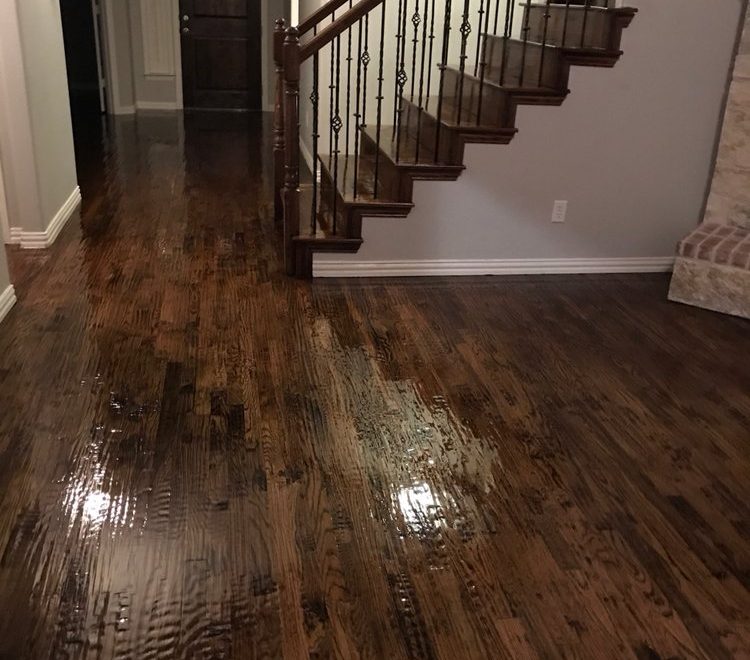
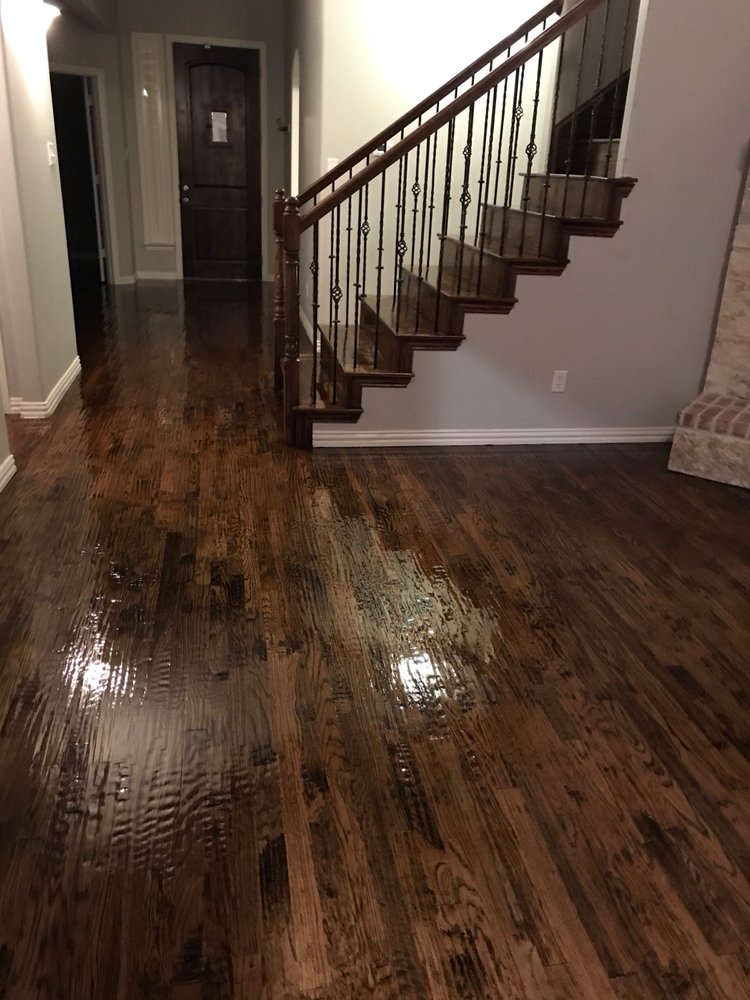
Hand scraped hardwood flooring has become one of the most in-demand flooring choices for homeowners who want depth, character, and a rich, timeless atmosphere in their space. This style highlights the natural beauty of wood, bringing out organic grooves, texture, and warmth that machine-finished floors simply can’t imitate.

Whether you’re renovating a living room, bedroom, or entire home, hand scraped hardwood is an excellent way to add charm, craftsmanship, and visual interest. To learn more about how hand-scraped textures developed in the industry, you can also explore resources from the National Wood Flooring Association.

What Is Hand Scraped Hardwood Flooring?

Hand scraped hardwood flooring refers to wood planks that are textured by hand—traditionally using sanding tools or heavy-duty sandpaper—to create natural, uneven patterns. Today, the technique is inspired by old-world craftsmanship, where woodworkers shaped floors by hand rather than machines.

This process results in a floor with:

  • Soft ridges and subtle waves
  • Natural grooves and surface variation
  • Warmth and old-world charm
  • A uniquely distressed, handcrafted look

These textures make hand scraped hardwood flooring ideal for both modern and traditional homes. It pairs well with casual farmhouse décor, rustic cabins, and even elegant, classic interiors.

Why Homeowners Love Hand Scraped Hardwood Flooring

Beyond its beauty, the hand scraped finish offers practical benefits that make it extremely homeowner-friendly.

✔ Timeless, Authentic Character

The handcrafted look gives every plank a story. Each board shows unique markings, making the entire floor feel warm, inviting, and full of personality.

✔ Excellent at Hiding Wear & Tear

The textured surface helps disguise everyday scratches, dents, pet marks, and general traffic—making it perfect for active households with pets and kids.

✔ Highly Versatile Design Style

Hand scraped floors blend effortlessly with:

  • Contemporary homes
  • Farmhouse and rustic interiors
  • Traditional or formal spaces
  • Shabby chic and cottage-style décor

✔ Adds Warmth & Value to Your Home

This finish resembles antique craftsmanship and often increases the overall aesthetic appeal and resale value. Many buyers specifically seek out hardwood options with natural texture and depth.

Hand Scraped Hardwood vs. Other Hardwood Textures

While smooth hardwood has a sleek, polished look, hand scraped wood adds dimension and depth. Unlike wire-brushed flooring—which creates subtle linear texture—hand scraped planks feature irregular, handcrafted patterns for a historic feel.

An Artistic Finish With Natural Beauty

The hand scraped texture highlights the true beauty of wood grain. With varying lines, grooves, and patterns from plank to plank, your floor becomes a one-of-a-kind piece of art. The result is a cozy, welcoming environment that feels both historic and modern at the same time.

Professional Help for Choosing & Installing Hand Scraped Hardwood

At GC Flooring Pros, we guide you through every step—from selecting your preferred hardwood species and stain colors to installation and long-term care. With dozens of hand scraped options available, we help you choose the perfect look based on your style, lifestyle, and budget.

Our team also provides expert tips to help your floors maintain their beauty for years to come.

Contact us today for your free in-home consultation. Let’s start designing a stunning new look for your home with premium hand scraped hardwood flooring.

WINTER FLOORING TRENDS AND DESIGNS

flooring trends

Thinking about refreshing your home? Staying up to date with the latest flooring trends can help you choose a style that feels fresh, modern, and long-lasting. As new materials and technologies continue to evolve, homeowners now have more stylish and practical flooring options than ever before.

Below are the leading flooring styles that are dominating today’s homes—and how to choose the right one for your space.

WOOD YOU LIKE THIS?

Hardwood flooring remains one of the top flooring trends year after year. Both engineered and solid hardwood continue to be sought after because of their natural warmth, beauty, and durability.

Engineered hardwood is created by layering plywood-like material beneath a real wood veneer. It’s more stable and better suited for areas with humidity. Solid hardwood is crafted from one solid plank, offering a timeless look that can be refinished multiple times.

Popular hardwood trends today include:

  • Tuscan Oak
  • Soft Ash Wood
  • White Oak in wide planks
  • Matte and wire-brushed finishes

These looks are popping up everywhere—from Pinterest boards to luxury interiors—making hardwood a top contender if you want a classic, high-value floor.

VINYL ANYONE?

Vinyl flooring has skyrocketed in popularity thanks to impressive improvements in design and performance. Among the most significant flooring trends is the rise of realistic wood- and stone-look vinyl flooring that is waterproof, durable, and quiet underfoot.

Luxury vinyl plank (LVP) and luxury vinyl tile (LVT) allow homeowners to enjoy the look of hand-scraped wood, exotic grains, or natural stone—without the high price tag or upkeep. Vinyl is also soft, comfortable, and an excellent option for busy families who need a floor that withstands spills, pets, and heavy traffic.

With its affordability and versatility, vinyl remains one of the strongest flooring trends nationwide.

TILE THIS

If you love the durability of tile but want something softer underfoot, engineered tile is a standout choice within today’s flooring trends. Engineered tile offers warmth, comfort, and better sound absorption, making it ideal for kitchens, bathrooms, and laundry spaces.

Design options continue to expand with:

  • Stone-inspired patterns
  • Large-format tiles
  • Matte finishes
  • Concrete-look surfaces

Tile is a fantastic long-term flooring solution that pairs beauty with practical performance.

WHY THESE FLOORING TRENDS MATTER

Flooring plays a huge role in how your home looks, feels, and functions. The right choice affects comfort, resale value, and long-term durability. By choosing floors that align with current trends, you ensure your home stays stylish for years to come—without constant updates or maintenance headaches.

According to interior design research from Houzz, natural finishes, matte textures, and wide-plank looks continue to dominate homeowner preferences across the country.

READY TO TRANSFORM YOUR HOME?

At GC Flooring Pros, our team is here to guide you through all the latest flooring trends and help you select the perfect material for your space, lifestyle, and budget. Whether you’re leaning toward hardwood, vinyl, or tile, we’ll bring samples, compare options, and help your vision come to life.

Call us today at 214-814-1170 or schedule your free in-home consultation using the link below.

Get Your Free In-Home Estimate

Let’s create a space you’ll be excited to come home to.

how to choose best floors for your basement
Blog, Carpet Flooring, House Renovation, How-to, Tips & Tricks

How to choose the right floor for your basement

Basement Floor: Best Materials, Moisture Tips & Installation Advice

Choosing the right basement floor can feel overwhelming, especially when you consider how different basements are from the rest of your home. Because they sit fully or partially below ground, basements face unique challenges: moisture, temperature swings, lack of natural light, and the presence of concrete slabs. All these factors influence which materials will perform well and which ones won’t stand the test of time.

The good news? With modern flooring technology, you’re no longer limited to a handful of synthetic materials. Homeowners today can choose from stylish, highly durable options that work beautifully in basements while still protecting against moisture and long-term wear. This guide breaks down the best basement flooring options, how to evaluate your space, and what to know before installation.

Start With the Purpose of Your Basement

Before deciding on a basement floor, think about how you will use the space. A storage room doesn’t require the same level of comfort as a basement bedroom or home theater. A fitness room needs durability and shock absorption, while a home office might call for warmth and sound insulation. Determining the purpose and traffic level of the room helps you choose the correct material from the start—and saves you on unnecessary costs later.

Understand Basement Moisture Before Choosing a Floor

Moisture is the number-one issue affecting any basement floor. Because concrete is porous, it can absorb water from the soil and release it into your basement over time. Small leaks, poor drainage, high humidity, or even seasonal changes may influence floor performance.

To better understand basement moisture and prevention, refer to the U.S. EPA Moisture Control Guidelines. Their research-backed recommendations help homeowners safeguard their spaces before installation.

Moisture Tips Before Installing Flooring

  • Perform a moisture test: Tape a sheet of plastic to the slab for 48 hours. If condensation forms underneath, you’ll need a vapor barrier.
  • Evaluate humidity levels: Basements should ideally stay between 30–50% relative humidity year-round.
  • Inspect for leaks: Check corners, cracks, and around windows or exterior access points.
  • Fix the source: Before any new floor goes in, address gutter issues, grading problems, or foundation cracks.

Once your moisture situation is under control, you’re ready to compare your basement flooring options.

Top Basement Floor Options

1) Concrete (Refinished)

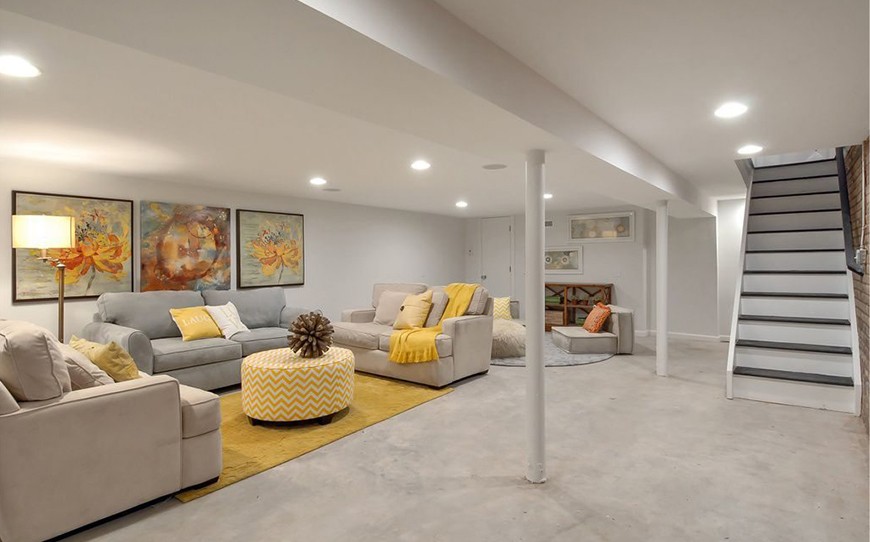
Many homeowners overlook concrete as a finished basement floor, but improvements in surface treatments have made it one of the most versatile—and stylish—choices available. Instead of covering the slab, you can transform it. A thorough cleaning, light grinding, or patch repair can prepare the surface for stain, polish, and sealers.

Why concrete works: It’s cost-effective, naturally moisture-resistant, and incredibly durable. Acid staining gives it rich, marbled color variations, while polishing provides a sleek, reflective finish. Pair it with rugs, soft lighting, and comfortable furniture for a modern, elevated basement look.

  • Pros: Lowest cost, extremely durable, minimal maintenance.
  • Considerations: Can feel cold; area rugs or radiant heat help with comfort.

2) Vinyl (LVP & LVT)

Vinyl flooring is one of the top choices for any basement floor. From wood-look luxury vinyl planks (LVP) to stone-look tiles (LVT), vinyl offers unmatched moisture resistance while delivering the aesthetics of higher-end materials. Many vinyl systems are designed specifically for concrete slabs, either as glue-down installations or floating floors with integrated pads.

Floating systems also allow you to install a vapor barrier underneath—an extra layer of protection against moisture. Vinyl’s soft backing and thickness make it comfortable underfoot, quieter than tile, and warmer than plain concrete.

  • Pros: Waterproof, budget-friendly, easy to clean, highly realistic designs.
  • Considerations: Must use proper underlayment for best moisture protection.

3) Tile (Ceramic, Porcelain, Natural Stone)

Tile flooring is a classic solution for basements due to its unmatched water resistance and long-term durability. Glazed ceramic is an affordable choice, while porcelain offers superior strength and density for high-traffic spaces. Natural stone tiles such as slate or travertine add elegance but may require sealing depending on the material.

Tile can withstand spills, moisture, and even minor flooding without damage when properly installed. The only drawback is temperature—tile tends to feel cold unless paired with radiant heat or strategic rug placement.

  • Pros: Waterproof, scratch-resistant, excellent for long-term performance.
  • Considerations: Cold and hard; rugs and heating systems can increase comfort.

4) Engineered Wood

If you love the beauty of hardwood, engineered wood is the only wood-based product suitable for a basement floor. Engineered wood consists of multiple cross-layered plies topped with a real hardwood veneer. This structure makes it far more stable in humid environments than solid hardwood.

Unlike traditional solid hardwood flooring, which cannot be installed directly onto concrete, engineered wood can often be glued directly to the slab or floated over a moisture barrier. It offers the warmth and luxury of hardwood without the risks associated with below-grade moisture.

  • Pros: Authentic wood look, stable, higher resale value.
  • Considerations: Not waterproof; requires professional moisture testing.

5) Waterproof Laminate

Standard laminate is not suitable for basements, but waterproof laminate is engineered for high-moisture environments. When floated over a proper vapor barrier, waterproof laminate can be a stylish and affordable solution for homeowners wanting the look of wood without the cost of engineered hardwood.

For very humid basements, melamine-infused laminate cores offer an even higher level of moisture protection.

Explore more options at laminate installation services and laminate supply.

  • Pros: Affordable, wood-look finishes, durable.
  • Considerations: Must control humidity; avoid if flooding is a concern.

Floating vs. Glue-Down Installations

Both installation methods work in basements, but each has advantages depending on your chosen material:

  • Floating floors: Ideal for vinyl and laminate; allow the use of vapor barriers; easy to replace boards.
  • Glue-down floors: Great for engineered wood and some vinyl; provide a solid feel underfoot.

Improving Comfort & Warmth

Basements naturally feel cooler, but the right flooring upgrades can make a dramatic difference:

  • Area rugs add texture, warmth, and sound absorption.
  • Radiant heating pairs exceptionally well with tile and some vinyl systems.
  • Insulating underlayments reduce chill and improve acoustics.

Maintenance Tips for Every Basement Floor

Proper care extends the life of any basement floor:

  • Use a dehumidifier to maintain 30–50% humidity year-round.
  • Inspect for new cracks, moisture spots, or leaks each season.
  • Use manufacturer-approved cleaning products to avoid damage.
  • Check sump pumps, gutters, and drainage systems regularly.

Your Perfect Basement Floor Starts Here

With the right material and proper moisture preparation, your basement can become one of the most functional and beautiful spaces in your home. Whether you prefer the warmth of engineered wood, the practicality of vinyl, the durability of tile, or the simplicity of polished concrete, today’s options make it easier than ever to create a basement that’s comfortable, safe, and long-lasting.

Ready to install the perfect basement floor? Explore expert guidance and product options at GC Flooring Pros, we welcome you to inquire further in your Free In Home Estimate.

GC Flooring Pros
Blog, House Renovation, Tips & Tricks

How to know what floor to choose for your bathroom

Bathroom Floor: Best Options, Safety Tips & Modern Design Choices

Your bathroom should feel like a reflection of who you are—stylish, clean, rejuvenating, and comfortable. Today’s bathrooms have evolved far beyond simple utilitarian spaces. They’ve become self-care retreats where you unwind after a long day, reset your mind, and enjoy a moment of personal quiet. Because the bathroom is exposed to constant moisture, heat, splashes, and chemical cleaners, selecting the right bathroom floor is essential for long-lasting performance.

Fortunately, innovations in flooring technology make it possible for you to balance beauty, durability, and water resistance. Many modern flooring options now withstand daily bathroom activity without sacrificing the luxurious aesthetic that homeowners love. Below is a comprehensive guide to help you choose the perfect bathroom floor for your home.

Why Choosing the Right Bathroom Floor Matters

Bathrooms experience harsher conditions than any other room in your home. Water on the floor is unavoidable—whether from dripping towels, overflowing sinks, kids’ bath time, or morning showers. Because of this, your bathroom floor must be:

  • Water-resistant or fully waterproof
  • Slip-resistant, especially when wet
  • Durable enough to withstand heavy use
  • Easy to clean and maintain
  • Comfortable to walk on barefoot
  • Stylish enough to elevate your bathroom’s design

Bathroom safety is also an important consideration—especially for children and seniors. For helpful general bathroom safety recommendations, review the CDC guidelines on preventing slips and falls.

Stone Flooring

Stone remains one of the most timeless and luxurious bathroom floor options available. Its use dates back centuries, and today’s design trends have embraced full stone bathrooms—floor to wall—for a minimalist, spa-like feel. Natural stone offers unmatched durability, elegance, and variation.

Stone flooring typically comes in two finishes: polished and unpolished (honed or textured). Polished stone floors look stunning but tend to be slippery when wet, making them less ideal for families with young children or older adults unless paired with rugs or slip-resistant treatments.

Honed or textured stone, on the other hand, provides better traction and a sophisticated, natural look. Because it is more porous, however, it may require sealing to protect against stains and moisture absorption.

Stone tiles generally come in sizes of 12 inches or larger and require a stable, reinforced subfloor. Another consideration: stone tends to feel cold underfoot. If you prefer barefoot comfort, pairing stone flooring with radiant heat or plush bath rugs is an excellent solution.

  • Pros: Timeless, durable, luxurious, unique patterns
  • Cons: Cold underfoot, may require sealing, can be slippery in polished form

Vinyl Flooring

Vinyl has become the most popular bathroom flooring option of the decade—and for good reason. Gone are the days of flimsy sheet vinyl with low-quality printed patterns. Modern luxury vinyl plank (LVP) and luxury vinyl tile (LVT) are incredibly realistic, mimicking the look of hardwood, stone, and marble with stunning accuracy.

Vinyl is one of the best waterproof flooring choices for bathrooms. It is soft underfoot, warmer than tile or stone, and significantly quieter. Many vinyl floors can even be installed over radiant heating systems, making them perfect for bathrooms that double as relaxation spaces.

Vinyl is available in two formats: tiles and sheets. Sheet vinyl comes in 6- or 12-foot rolls, creating a nearly seamless look that prevents moisture from seeping into cracks. Vinyl tiles are easier to install and replace, making them a popular option for DIY projects.

  • Pros: Waterproof, affordable, soft on the feet, design-rich, great for DIY
  • Cons: Lower resale value than stone; quality varies by manufacturer

Engineered Hardwood Flooring

While many homeowners assume hardwood should never be used as a bathroom floor, engineered hardwood proves otherwise. Engineered hardwood is designed with multiple cross-layered plies beneath a real wood veneer, making it significantly more stable and moisture-resistant than solid hardwood.

Engineered hardwood flooring can withstand occasional splashes and humidity levels that would cause solid wood to warp. It is also much more dimensionally stable, meaning it expands and contracts less with moisture changes.

However, even engineered wood requires care. Wet towels left on the floor, standing water, or consistent moisture exposure can shorten its lifespan. For families with small children or frequent spills, wood-look vinyl may be a better option.

  • Pros: Beautiful, luxurious, warm, stable, adds resale value
  • Cons: Not fully waterproof; requires attentive care

Rubber Flooring

Rubber flooring is an excellent choice for families, especially those with young children. It is soft, slip-resistant, shock-absorbent, and very easy to clean. Its textured surface prevents slips, and even if a fall occurs, rubber’s cushioning provides a safer landing.

Rubber floors come in countless colors, patterns, and textures, making them extremely versatile from a design perspective. They’re also warm underfoot and more comfortable than most hard-surface bathroom floors.

  • Pros: Safe, cushioned, slip-resistant, kid-friendly, waterproof
  • Cons: More casual appearance; may show indentations from heavy items

Additional Considerations for Bathroom Floors

Slip Resistance

Slip-resistant finishes are essential for bathrooms. If you choose stone or tile, look for textures or anti-slip treatments.

Waterproofing

A waterproof underlayment or membrane may be needed, depending on your chosen flooring material.

Comfort

Bathrooms are enjoyed most when they feel warm and inviting. Consider heated floors, cushioned mats, or materials like vinyl or rubber for additional comfort.

Maintenance

Choose a floor that fits your lifestyle. If you want low-maintenance durability, tile or vinyl may be ideal. If beauty is your priority, stone or engineered hardwood can elevate your space.

Your Perfect Bathroom Floor Awaits

Every bathroom is unique, and choosing the right bathroom floor means balancing practicality with personal style. Whether you prefer the natural charm of stone, the resilience of vinyl, the warmth of engineered hardwood, or the safety of rubber, today’s flooring solutions make it easy to design a bathroom that feels beautiful, functional, and uniquely yours.

Ready to install the perfect bathroom floor? Explore expert guidance and product options at GC Flooring Pros. We welcome you to inquire further or schedule your Free In-Home Estimate.