How to choose the right stain for your hardwood floor
Hardwood Floor Stain Guide: Choose the Right Color, Finish & Sheen for Your Space
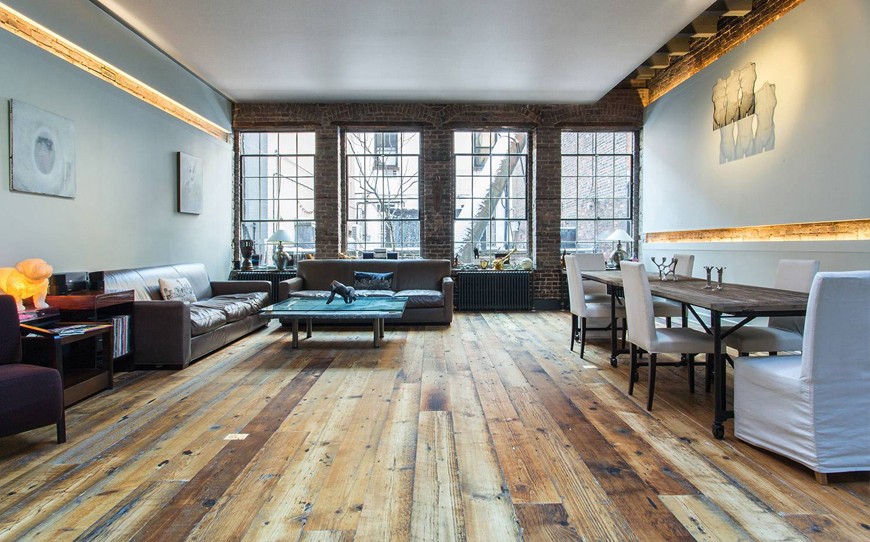
A beautifully finished Hardwood Floor can transform any room—from bright lofts to cozy family spaces. Species like white oak, red oak, hickory, and Brazilian walnut all bring their own grain, tone, and hardness to the party. But the species alone doesn’t decide the final look—the stain, finish, and sheen you choose are just as important. This guide explains how different woods take stain, why sample testing matters, and how to pick light, medium, or dark stains that actually work with your room (and lifestyle).
Whether you’re installing new planks or planning a refinish, the goal is the same: a Hardwood Floor that looks incredible today and ages gracefully tomorrow. Below, you’ll find practical tips plus trusted resources to help you make confident choices.
Why Not All Hardwood Floors Stain the Same
Every wood species has unique cell structure, density, and porosity. That means the same stain can look dramatically different on two species—or even two grades of the same species.
- Dense, tight-grained woods (e.g., maple, many exotics) can resist stain penetration, sometimes leading to blotching or a lighter-than-expected color.
- Open-pored woods (e.g., red oak, white oak) accept stain more readily, often producing deeper, more uniform color.
- Grain pattern and cut (rift, quarter-sawn, plain-sawn) also affect how light and stain reflect across the floor.
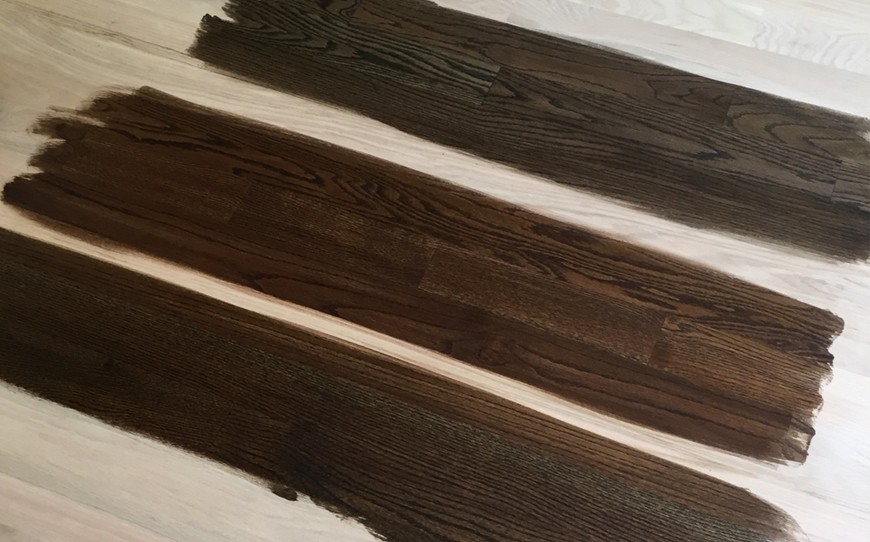
Because of these variables, always test your stain on your actual boards before committing. At GC Flooring Pros, we apply in-room stain samples so you can preview the exact color under your lighting and next to your cabinetry, walls, and furnishings. For color families and product details, browse manufacturer charts like DuraSeal® wood stains (external).
How Finish Systems Influence Your Final Color
Beyond stain color, your finish system can subtly shift tone and impact durability and maintenance:
- Oil-based polyurethane: Slight ambering that can warm the stain; excellent film strength and abrasion resistance.
- Water-based polyurethane: Clearer tone that preserves a “true-to-wood” look; fast dry and low odor.
- Hardwax oils / penetrating oils: Low-build, natural feel that highlights grain; spot-repairable but may need more frequent maintenance coats.
For deeper technical guidance on finishes, installation, and maintenance best practices, see the National Wood Flooring Association (NWFA) (external), the industry’s leading authority.
Choosing Your Sheen: Matte, Satin, Semi-Gloss, or Gloss
Sheen affects both aesthetics and practicality:
- Matte: On-trend, modern, and great at hiding micro-scratches and dust.
- Satin: Soft glow that suits most homes; balances elegance and forgiving maintenance.
- Semi-Gloss: Brighter pop and perceived depth but shows wear sooner.
- Gloss: High reflection; dramatic but least forgiving of scuffs and dust.
Most homeowners today choose matte or satin to reduce visible wear and keep cleaning simple.
Light vs. Medium vs. Dark: How to Align Stain with Your Room
Light Stain
Best for: Smaller or darker rooms, Scandinavian or coastal styles, homes with kids/pets where dust visibility matters.
Why it works: Light stains bounce light, making spaces feel airier and larger. They pair beautifully with dark furniture for a crisp, high-contrast look.
Watch-outs: Light tones reveal the wood’s natural character (mineral streaks, knots) more readily than very dark stains.
Medium Stain
Best for: Balanced, transitional designs where you want warmth without dramatic contrast.
Why it works: Medium browns harmonize with most cabinetry and trim, so it’s a smart choice if you’re still evolving your décor or plan to change wall colors later.
Dark Stain
Best for: Grounding bright rooms, creating luxury contrast with light walls, highlighting brass/black fixtures.
Why it works: Dark floors feel sophisticated and tend to mask natural wood variation.
Watch-outs: Shows dust, pet hair, and surface scratches more readily. If you have big dogs or heavy traffic, consider a satin/matte sheen and a robust finish to minimize visibility of wear.
Species Matters: Matching Stain to Your Hardwood Floor
Here’s how common species typically behave with stain (results vary—always test):
- Red Oak: Takes stain evenly with pronounced grain; warmer undertones complement medium to dark browns beautifully.
- White Oak: Versatile and on-trend; ideal for light, natural, or “weathered” looks; also stunning in rich mid-tones.
- Maple: Dense and tight-grained; can blotch with dark stains—use pre-conditioners and consider lighter/neutral tones.
- Hickory: High hardness and lively color variation; wide planks showcase character; stains well but variation remains a feature.
- Exotics (e.g., Brazilian Walnut/Ipe): Very dense; often look best with minimal staining and clear finishes to celebrate natural depth.
Want help choosing the right species before you pick a stain? Explore options and photos on our Hardwood Flooring page and our Hardwood Flooring Supply page.
The Stain-Sampling Process (What We Do on Site)
- Consult & assess: We review your room light, furnishings, and style to shortlist target color families.
- Prep test area: Lightly abrade and clean a discrete zone to ensure accurate penetration.
- Apply multiple swatches: Typically 3–6 options (e.g., Ebony, Provincial, Dark Walnut, Weathered Oak, Medium Brown).
- Evaluate in natural & artificial light: Colors shift from morning to evening; we want you to love it 24/7.
- Topcoat preview: We explain how oil- vs water-based finishes and chosen sheen will alter the final look.
Pro tip: View samples vertically (hold sample boards upright) as well as on the floor—your eyes perceive color differently across planes. And don’t forget to compare against cabinet doors and trim.
Durability, Maintenance & Lifestyle Fit
Great color is only half the story. To keep your Hardwood Floor looking its best:
- Pick the right finish chemistry for your traffic level (busy homes benefit from tougher, higher-build systems).
- Choose a forgiving sheen (matte/satin) to disguise micro-scratches and daily dust.
- Use felt pads & entry mats to reduce abrasion; trim pet nails regularly.
- Clean with manufacturer-approved products—avoid steam mops and harsh chemicals that can dull the finish.
Need deeper technical standards? The NWFA publishes best practices on maintenance, site conditions, and finish systems.
Frequently Asked Questions About Hardwood Floor Stains
Q: Can I change from dark to light (or vice versa) later?
A: Yes—one of the biggest advantages of a Hardwood Floor is that you can sand and refinish to a new color. Solid hardwoods can often be refinished up to five times; many engineered floors can be refinished at least once if the wear layer is 2mm+.
Q: Which stain hides dust best?
A: Mid-tone browns with a satin or matte sheen are the most forgiving.
Q: How long does the process take?
A: Typical sand-stain-finish projects take 2–4 days depending on square footage, number of coats, and product cure times.
Ready to See Your Color Options on Your Actual Hardwood Floor?
If you’re unsure between light, medium, or dark—or you want to compare oil- vs water-based finishes—we’ll bring curated stains to your home and apply real samples on your wood so you can choose with confidence.
Book your on-site stain sampling and get expert guidance from GC Flooring Pros—schedule your Free In-Home Estimate now.