
News

Hardwood vs Vinyl Flooring Cost: Affordable Options

How Much Cost to Install Hardwood Floor (Hardwood vs. Vinyl Cost Guide)

Many homeowners begin their flooring research by asking one key question: how much cost to install hardwood floor compared to other options like vinyl. Flooring impacts the look, feel, and long-term value of your home, so understanding true cost ranges is essential before making a decision. This guide breaks down hardwood and vinyl pricing so you can confidently budget for your next project.

Understanding Hardwood and Vinyl Flooring Options

Before comparing how much cost to install hardwood floor versus vinyl, it helps to understand what sets these materials apart. Hardwood is a natural, timeless material valued for its beauty and longevity. Vinyl flooring, on the other hand, is synthetic, versatile, and budget-friendly, making it a popular alternative.

Key Differences

  • Material: Hardwood is natural wood; vinyl is a durable synthetic.
  • Design: Hardwood offers unique natural grains; vinyl can mimic wood, stone, or tile.
  • Cost: Hardwood is generally more expensive; vinyl is more budget-conscious.

Material Costs: Hardwood vs. Vinyl Flooring

One of the biggest factors in determining how much cost to install hardwood floor is the material itself. Hardwood flooring typically ranges from $6–$12 per sq. ft. depending on species (oak, maple, hickory, exotic woods, etc.). Premium options or wide planks may cost even more.

Vinyl flooring remains the more affordable choice, usually $2–$7 per sq. ft. Luxury vinyl products (LVP, LVT) may reach the higher end of that range but still cost less than hardwood.

Cost Comparison

  • Hardwood: $6–$12 per sq. ft.
  • Vinyl: $2–$7 per sq. ft.

Vinyl clearly provides cost savings upfront, but hardwood adds long-term value and can increase home resale appeal.

For homeowners wanting general industry averages, HomeAdvisor provides helpful ranges.

how much cost to install hardwood floor

Installation Costs and Process

Installation plays a major role in determining how much cost to install hardwood floor. Hardwood installation is labor-intensive and requires professional expertise, which increases final pricing. Depending on complexity, installation averages $4–$8 per sq. ft.

Vinyl installation is simpler—often using glue-down or click-lock systems—bringing costs down to $1–$3 per sq. ft.

Important Installation Notes

  • Hardwood: Skilled labor required; higher cost and longer installation timeline.
  • Vinyl: Faster installation, lower labor cost.

Maintenance and Long-Term Costs

Maintenance also influences how much cost to install hardwood floor over its lifetime. Hardwood may require refinishing every 7–10 years depending on wear, which can cost anywhere from $3–$7 per sq. ft.

Vinyl requires minimal upkeep—routine sweeping and mopping usually suffice. There is no refinishing, and damaged planks must be replaced, but overall long-term care is affordable.

Maintenance Breakdown

  • Hardwood: Occasional refinishing, periodic polishing.
  • Vinyl: Low-maintenance, water-resistant.

Durability and Lifespan

Hardwood is prized for its longevity—well-maintained hardwood can last 30 years or more, making the investment worthwhile. Vinyl typically lasts 10–20 years, depending on thickness and quality.

Lifespan Highlights

  • Hardwood: Extremely durable; can be refinished multiple times.
  • Vinyl: Durable for everyday use but not refinishable.

Aesthetic Appeal and Design Options

Hardwood offers unmatched natural beauty and warm tones that elevate any room. Vinyl flooring provides excellent design versatility, including wood-look and stone-look options at a fraction of the cost.

Design Features

  • Hardwood: Natural texture, premium appearance.
  • Vinyl: Wide range of colors and patterns.

Environmental Impact

Hardwood sourced responsibly can be an eco-friendly choice due to its renewable nature. Vinyl is synthetic and petroleum-based, but today’s low-VOC vinyl provides safer indoor air quality than older versions.

Eco-Friendly Considerations

  • Hardwood: Renewable, sustainable when sourced properly.
  • Vinyl: Low-VOC options available.

Room Suitability and Lifestyle Needs

Hardwood works beautifully in living rooms, bedrooms, and hallways. Vinyl excels in moisture-prone spaces like kitchens, bathrooms, and basements. Your lifestyle and room usage should guide the decision.

Where Each Works Best

  • Hardwood: Best in dry rooms where longevity matters.
  • Vinyl: Best in kitchens, baths, laundry, and basements.

How Much Cost to Install Hardwood Floor? Final Comparison

If you’re trying to determine how much cost to install hardwood floor versus vinyl, consider the full picture—materials, installation, maintenance, durability, and long-term value. Hardwood costs more upfront but offers long-lasting beauty and resale benefits. Vinyl remains a top choice for affordability and practicality.

Key Takeaways

  • Hardwood has higher initial costs but exceptional longevity.
  • Vinyl is budget-friendly with low installation and maintenance costs.
  • Your choice should reflect lifestyle, room type, and long-term plans.

Choosing the Best Flooring for Your Budget

When comparing flooring choices, remember that how much cost to install hardwood floor depends on material grade, installation complexity, and long-term care. Both hardwood and vinyl offer excellent solutions depending on your needs.

For more detailed guidance, visit our Hardwood Flooring page for expert insights and product options.

Ready to Upgrade Your Home?

Schedule a free in-house estimate today and let our team help you choose the right flooring solution for your home.
Request an In-House Estimate

A Simple Guide to Carpet Padding and Why Your Home Needs It

A Simple Guide to Carpet Padding and Why Your Home Needs It

Carpet padding is one of the most important parts of a carpet installation, even though it stays hidden under the surface. Many homeowners focus on the color, style, or softness of the carpet itself, but carpet padding is what creates most of the comfort under your feet. When you know how carpet padding works and why it matters, it becomes easier to choose the right materials for your home.

Why Carpet Padding Is Necessary

The main role of carpet padding is to act as a cushion between the carpet and the floor. This cushion helps soften each step, protects the backing of the carpet, and helps reduce stress on the fibers. Without dependable carpet padding, the carpet would flatten quickly, show wear sooner, and feel much less comfortable.

Good carpet padding also helps with sound control. It absorbs noise so footsteps do not echo or travel through the floor as much. This makes bedrooms, living rooms, and upstairs spaces feel calmer and quieter. Another benefit is insulation. The cushion layer adds warmth and helps keep floors from feeling cold, especially in winter.

How Carpet Padding Wears Out Over Time

All materials break down with age, and carpet padding is no different. Daily foot traffic slowly flattens the cushion, even in homes without heavy use. Once the padding becomes compressed, it no longer supports the carpet. You may begin to notice soft spots, crunching sounds, uneven areas, or wrinkles. These early signs often mean the cushion layer has reached the end of its lifespan.

Moisture can also damage the material. Spills, pet accidents, or water from cleaning can soak into the cushion. When moisture reaches the lower layers, odors may stay trapped even after cleaning. In those cases, replacing the worn material is usually the best solution.

How Long Carpet Padding Usually Lasts

The chart below shows the typical lifespan of different types of carpet padding. The actual life depends on traffic levels, room use, and the quality of the carpet placed over it.

Type of Carpet Padding Typical Lifespan Notes
Rebond Padding 8–12 years Common, budget-friendly choice made from recycled foam.
Memory Foam Padding 10–15 years Soft feel with strong comfort for bedrooms.
Rubber Padding 15–20 years Very durable and stable in high-traffic spaces.
High-Traffic Areas Shorter lifespan Pressure causes cushion layers to break down faster.
Low-Traffic Areas Longer lifespan Less daily wear extends performance.

What Rebond Is Made Of

Rebond is one of the most widely used materials in homes. This type of carpet padding is created from pieces of recycled foam that are blended and bonded together. The mixed colors you see inside the cushion come from different types of foam scraps. This gives the material a firm and springy feel while keeping the cost affordable.

Rebond cushions come in a range of densities, usually measured in pounds. A higher pound rating means the material is firmer and more supportive. Many homes use an 8-pound cushion, but some choose a thicker version for rooms that need more comfort.

Why Density and Thickness Matter

The density of carpet padding affects how much support the carpet receives. Higher density helps the floor feel more stable and keeps the carpet fibers from crushing. Thickness also plays a role, but thicker is not always better. Some carpet styles are designed to work with a firmer and slightly thinner cushion to prevent movement or stretching.

In general, plush carpets work well with softer cushion layers, while looped styles do better with firm support. Your flooring professional can help guide the right pairing for your space.

What Happens if You Skip Carpet Padding

If you install carpet without the right cushion layer, it will not last long. The fibers will wear out faster because they take all the pressure from footsteps. The carpet may also slide or wrinkle because there is no support holding it in place. Rooms will feel noisier and colder, and the carpet may lose its shape within a short time.

Using proper carpet padding is one of the best ways to protect your flooring investment and make sure your home feels comfortable.

Internal and External Resources

For homeowners comparing premium options such as Napa or Coronado, here is a helpful internal resource: Napa vs. Coronado Carpet Padding Comparison. This guide explains how different cushion types perform and which rooms they work best in.

For industry standards, the Carpet and Rug Institute also provides guidance on cushion recommendations. You can view their information here: Carpet & Rug Institute.

Frequently Asked Questions

Can I reuse my current carpet pad?

Most professionals do not recommend reusing older material. Over time, it breaks down and becomes uneven, which can shorten the life of your new carpet.

Does thicker cushion always mean more comfort?

Not always. Some carpets need firm support to stay stable and avoid stretching.

How can I tell when my cushion layer needs replacing?

Signs include soft spots, ripples, bad odors, or a crunching sound when you walk across the floor.

Is the cushion layer important for sound control?

Yes. A quality base layer helps absorb noise and makes rooms feel quieter.

What type works best for rooms with pets?

Moisture-resistant options help prevent odors and protect your flooring.

Final Thoughts

Choosing the right carpet padding makes your home feel softer, quieter, and more comfortable. It also helps your carpet last longer and look better. When you understand how carpet padding works, what it is made of, and when it should be replaced, you can make confident decisions and keep your floors performing well for many years.

Ready to Upgrade Your Home?

Schedule a free in-house estimate today and let our team help you choose the right flooring solution for your home.

Request an In-House Estimate

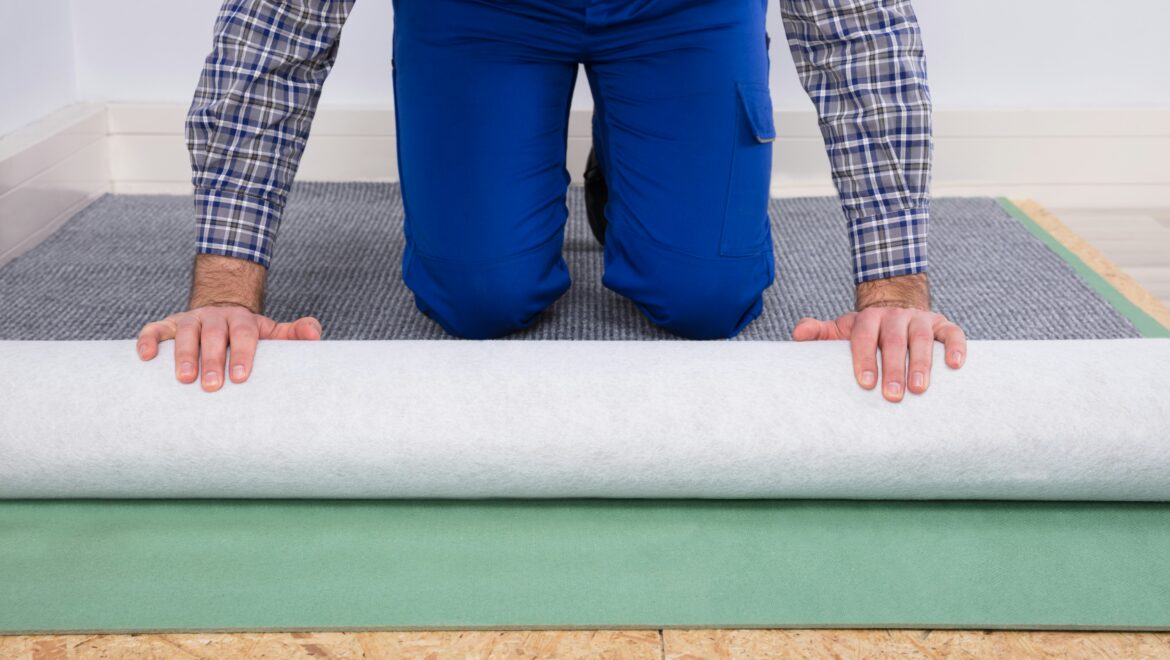
Carpet rolling over carpet pad
About Floors, Carpet Flooring, Floor Care, Uncategorized

Carpet Pad Guide: Types, Benefits, and How to Choose

The Complete Carpet Pad Guide for Your Home

A carpet pad plays a major role in how your carpet feels, how long it lasts, and how well it performs. Many people focus only on carpet style or color, but the layer underneath matters just as much. In this guide, we explain what a carpet pad does, why it helps protect your carpet, and how to choose the best one for your home. We also compare popular options such as Napa, Coronado, SmartCushion, and rebond choices.

What a Carpet Pad Does and Why It Matters

A carpet pad sits between the carpet and the floor. Its purpose is simple: add comfort, reduce wear, and support the carpet backing. When you step on carpet, most of the softness you feel comes from the carpet pad. It absorbs impact and helps slow down damage to the carpet fibers.

This cushion layer also reduces sound between floors and helps the home feel quieter. Some versions include moisture protection or antimicrobial features. These details help prevent odors, slow mildew growth, and keep your home healthier. Without a strong carpet pad, even a high-quality carpet may wear out faster.

Important Features to Compare

Each type of carpet pad has features that affect comfort and durability. Here are the most important details to understand:

  • Thickness: Most options range from 0.30 to 0.50 inches. Thicker feels softer but may not be right for high-traffic areas.
  • Density: Higher density means better support and longer life.
  • Moisture Barriers: Helpful for families with pets or kids.
  • Antimicrobial Properties: Designed to help reduce odors and moisture issues.
  • Air Quality Certifications: These show the material is safe for indoor use.

When you understand these features, comparing each carpet pad becomes much easier.

Carpet Pad Guide for Your Home

Types of Carpet Pads and Their Benefits

This guide highlights four well-known options: premium foam, rubber, memory foam, and rebond. Each one supports carpet in a different way and is meant for specific needs.

Leggett & Platt Napa

The Napa option is a premium foam cushion known for comfort and high performance. It includes top and bottom moisture barriers plus antimicrobial protection. This makes it a strong choice for bedrooms, living rooms, and quiet spaces where softness matters.

Its thick support layer helps reduce sound and improves comfort under many carpet styles. For more details on how Napa compares to Coronado, you can read our earlier post about the Napa and Coronado carpet pads.

Leggett & Platt Coronado

Coronado is a durable rubber option built for strength and long life. Rubber pads stay firm, resist crushing, and hold their shape well. It includes antimicrobial features and a spill barrier, making it a reliable choice for busy areas.

This cushion works well on stairs, hallways, and high-traffic rooms. It also handles heat from radiant flooring, which makes it a great fit for homes with heated systems.

Mohawk SmartCushion

SmartCushion is a memory foam layer designed for comfort and support. It includes a moisture barrier and is certified for good indoor air quality. Many families choose it because it performs well in homes with pets and children.

Its soft feel makes it ideal for bedrooms, playrooms, and family spaces. You can view the full product specs here:
Mohawk SmartCushion Specifications.

Rebond Cushion

Rebond is made from recycled foam pieces and offers an affordable, reliable choice. It comes in many thickness and density options, so homeowners can balance comfort and price easily. While it may not offer the same luxury feel as premium materials, it works well in rental homes, guest rooms, and medium-traffic areas.

Carpet Pad Comparison Chart

The chart below compares all options so you can see the differences at a glance and choose the right carpet pad more easily.

Carpet Pad Type Material Comfort Level Durability Moisture Protection Best Use Cost Range
Leggett & Platt Napa Premium Foam Very High High Top + Bottom Moisture Barrier Bedrooms, living rooms, quiet spaces $$$$
Leggett & Platt Coronado Rubber High Very High Spill Barrier + Antimicrobial Stairs, hallways, high-traffic areas, radiant heat $$$
Mohawk SmartCushion Memory Foam Very High Moderate to High Moisture Barrier Homes with pets, family rooms, playrooms $$–$$$
Rebond Pad Recycled Foam Pieces Moderate Moderate Varies by model Rentals, guest rooms, low to medium traffic $–$$

Which Option Works Best for Your Carpet?

Choosing the right carpet pad depends on carpet type, room use, and how much comfort you want. Here is a simple guide:

  • Plush, soft carpet: Napa or Coronado works best for support and comfort.
  • High-traffic areas: Coronado offers the strongest durability.
  • Homes with pets: SmartCushion helps with spills and odors.
  • Rental or budget rooms: Rebond is dependable and affordable.
  • Moisture-prone rooms: Napa or SmartCushion with moisture protection is ideal.
  • Heated floors: Coronado works well with radiant systems.

Frequently Asked Questions

Is a carpet pad necessary?

Yes. A carpet pad protects the carpet backing, adds comfort, and helps the carpet last longer.

How thick should it be?

Most options work best between 0.30 and 0.50 inches. The right thickness depends on your carpet type and room use.

What is the best choice for stairs?

Coronado is a strong pick because it holds its shape and resists crushing.

Do I need moisture protection?

It helps in homes with pets, kids, or rooms where spills may happen.

What is the most budget-friendly option?

Rebond is usually the most affordable choice.

Final Thoughts

A carpet pad affects comfort, noise, and carpet life. When you choose the right one, you improve both performance and value. Whether you want luxury comfort, strong durability, pet-friendly protection, or a budget option, the right carpet pad can make a big difference throughout your home.

Ready to Upgrade Your Home?

Schedule a free in-house estimate today and let our team help you choose the right flooring solution for your home.

Request an In-House Estimate

fall trends
Blog, Uncategorized

Fall Flooring Trends

New Flooring Ideas: Modern Styles and Timeless Materials for Every Home

New flooring ideas for modern homes including luxury vinyl plank and engineered hardwood

If you’re planning a renovation or simply craving an update, choosing the right flooring can completely transform your home’s look and feel. The best new flooring ideas combine style, comfort, and durability—without sacrificing easy maintenance. Whether you’re updating a kitchen, bathroom, or living area, here’s a guide to 2025’s top flooring styles and innovations.

1. Waterproof Luxury Vinyl Plank (LVP)

Luxury Vinyl Plank continues to dominate as one of the most versatile and affordable flooring options. It mimics natural hardwood with high-definition textures and matte finishes—yet resists moisture, scratches, and fading.

Why Homeowners Love It

  • 100% waterproof and ideal for kitchens, bathrooms, and basements.
  • Soft underfoot feel with acoustic underlayment options.
  • DIY-friendly click-lock installation system.

Explore our Luxury Vinyl Plank collection for realistic wood textures that fit any budget or interior style.

2. Engineered Hardwood with Wide Planks

For those who crave the elegance of real wood without the maintenance demands, engineered hardwood remains a top contender. Modern wide-plank flooring (7”–9” widths) showcases more of the wood’s grain while creating a clean, expansive feel in open-concept spaces.

Why It’s Trending

  • Stable core construction allows installation in varying humidity levels.
  • Compatible with radiant heat systems.
  • Available in oak, hickory, maple, and European white oak finishes.

Browse our engineered hardwood options for inspiration.

3. Porcelain Tile with Natural Textures

Large-format porcelain tile continues to gain popularity for both indoor and outdoor projects. It delivers the organic beauty of natural stone or wood grain with exceptional durability and easy maintenance.

Why It’s a Smart Choice

  • Resistant to water, stains, and fading.
  • Perfect for high-moisture spaces and open-plan living areas.
  • Now available in matte, textured, and stone-look finishes.

See examples of our tile flooring installations for modern design inspiration.

4. Hybrid Flooring

Combining the comfort of vinyl and the strength of laminate, hybrid flooring is one of the newest innovations in the industry. It offers the best of both worlds—scratch-resistant, waterproof, and highly realistic visuals.

Best For

  • Busy families and pet owners seeking long-term performance.
  • Areas prone to temperature and humidity swings.

Hybrid floors are available in a range of tones from coastal oak to dark espresso, complementing any design palette.

5. Patterned & Textured Carpets

Carpet is making a strong comeback in 2025, especially in bedrooms and media spaces. Textured and patterned carpets add dimension and luxury while maintaining practicality with modern stain-resistant fibers.

Popular Styles

  • Frieze and textured carpets for durability.
  • Geometric and tone-on-tone patterns for subtle sophistication.
  • Eco-friendly options made from recycled nylon or PET fibers.

6. Sustainable Flooring Materials

Eco-conscious homeowners are increasingly opting for renewable and recycled flooring options. Bamboo, cork, and reclaimed wood bring sustainability and natural charm into modern interiors.

Benefits

  • Rapidly renewable or recycled materials with low VOC finishes.
  • Warm, natural aesthetic that pairs with biophilic design trends.

Interested in sustainable materials? Ask about our green-certified product lines available through local suppliers in North Texas.

2025 Flooring Design Trends

  • Warm Neutrals: Greige, caramel, and honey oak tones are replacing cooler grays.
  • Matte Finishes: Softer sheen hides dust and footprints while adding sophistication.
  • Mixed Materials: Combine hardwood with tile transitions or inlays for definition.
  • Herringbone & Chevron Patterns: Back in style for both modern and traditional homes.

Ready to Explore New Flooring Ideas?

From cozy carpet textures to ultra-durable waterproof planks, our team can help you bring your new flooring ideas to life. Schedule an in-home consultation today or visit our showroom in Frisco to see samples in person.

GC Flooring Pros offers expert installation, design guidance, and top-quality materials—helping you make a choice that’s stylish, practical, and long-lasting.

Hardwood Flooring Cost in 2027: Installation Price per Square Foot (DFW)

The quick answer

Installed hardwood flooring in DFW typically costs about $7 to $16 per square foot, materials and labor included, for popular species like oak and maple. Engineered hardwood usually lands in the lower to middle part of that range; solid, wide-plank and exotic species sit at the top.

Removing old floors, slab prep, stairs and patterns like herringbone add to the total. A free in-home estimate gives you an exact, itemized price.

New hardwood floors are one of the most rewarding upgrades you can make. They add warmth, character and value that lasts for decades. Before you start, it helps to know what drives the price, so you can plan a budget with confidence. This guide breaks down hardwood flooring cost per square foot for homeowners in Frisco, Plano, Prosper, McKinney and across North Texas.

Hardwood flooring cost at a glance

Cost itemTypical DFW range (per sq ft)What it covers
Engineered hardwood materials$3 – $13Real-wood top layer on a stable core; great over slabs
Solid hardwood materials$8 – $15Real wood all the way through; can be refinished many times
Exotic species materials$8 – $25Brazilian cherry, teak and other imported woods
Installation labor$3 – $8Standard straight-lay install by a professional crew
Typical installed total$7 – $16Oak or maple, materials plus labor, standard layout

Solid vs engineered hardwood cost

Solid hardwood is milled from a single piece of wood, so it can be sanded and refinished many times over its life. It generally costs more for materials, and in North Texas it often costs more to install, because most homes sit on concrete slabs and solid wood needs a wood subfloor over the slab first. Engineered hardwood puts a real-wood wear layer on a cross-layered core that stays stable over concrete. It can be glued down or floated directly over a slab, which keeps installation simpler. For a deeper comparison, see hardwood vs engineered vs laminate.

Hardwood flooring prices by species

SpeciesRelative priceWhy homeowners choose it
Red oak$Classic grain, takes stain well, very budget-friendly
White oak$–$$Today’s most popular look; natural and light finishes
Maple$–$$Smooth, subtle grain and a clean modern look
Hickory$$Very hard with bold color variation; hides wear
Walnut$$$Rich, dark tones; softer, so best in lower-traffic rooms
Exotic species$$$Unique colors and hardness; imported, so prices vary

Not sure which species fits your home? Our hardwood species guide and white oak vs red oak comparison walk through the looks and trade-offs. We carry hardwood from Bella Cera, Jackson Hardwood and D&M.

Add-ons that change the price

Add-onTypical costNotes
Old floor removal$0.20 – $2.50 per sq ftCarpet is quick; glued-down tile and adhesive take longer
Underlayment and moisture barrier$0.50 – $3.50 per sq ftRequired over concrete for most hardwood installs
Slab levelingVariesPriced after we check flatness with a straightedge
StairsPriced per stepTreads, risers and stair nose are cut and fitted by hand
Diagonal or simple patterns+$3 – $8 per sq ftMore cuts and waste than a straight lay
Herringbone or chevron+$8 – $14 per sq ftPrecise layout and the most labor
Refinishing existing hardwoodOften far less than replacingA sand and refinish can bring sound floors back to life
Trim, transitions and baseboardSmall but adds upQuarter round, reducers and thresholds
🛠️
Crew tip: compare quotes line by line

A quote that looks low may leave out removal, moisture barrier, leveling or trim. Ask every installer for an itemized quote so you’re comparing the same job, not just a per-square-foot number.

What a project might cost

Bedroom or office
About 300 sq ft

Roughly $2,100 – $4,800 installed at $7 – $16 per sq ft, before add-ons.

Living and dining
About 500 sq ft

Roughly $3,500 – $8,000 installed, before add-ons.

Whole first floor
About 1,000 sq ft

Roughly $7,000 – $16,000 installed, before add-ons.

Staircase
Priced per step

Added to any of the above; often paired with new hardwood.

These examples use the typical installed range and don’t include removal, leveling, stairs or patterns. Your exact number depends on your floor, species and layout.

Hardwood vs LVP vs laminate cost

FloorRelative installed costBest for
Laminate$–$$Most scratch resistance for the money; busy family rooms
Luxury vinyl plank (LVP)$–$$Waterproof core for kitchens, baths and laundry rooms
Engineered hardwood$$–$$$Real wood over slabs, in living areas and bedrooms
Solid hardwood$$$Real wood that can be refinished for generations

If budget or water resistance is a big factor, wood-look LVP or laminate can give you a similar look for less. Many homes mix them: real hardwood in living areas and LVP in kitchens and baths. See the full breakdown in hardwood vs vinyl flooring cost.

Why North Texas homes cost what they do

Most homes here sit on concrete slabs over clay soil that shifts with the seasons, and our humidity swings from muggy summers to dry winters. That’s why a good hardwood install starts with checking the slab for flatness and moisture, adding the right moisture barrier, and often choosing engineered hardwood, which handles slabs and humidity changes better. That prep is part of the price, and it’s what keeps your floors flat and beautiful for years.

Myth The cheapest price per square foot is the best deal.
Fact Quotes that skip slab prep or moisture protection often cost more later in repairs.
Myth Engineered hardwood is fake wood.
Fact The top layer is real hardwood. Thicker wear layers can even be sanded and refinished.
Myth Hardwood is always out of reach.
Fact Engineered oak, a straight-lay pattern and smart room choices can bring real wood into many budgets.

How to save on hardwood floor installation

  1. Choose a popular species. Red and white oak cost less than exotic woods and look timeless.
  2. Go with prefinished planks. Factory finishes skip on-site sanding and finishing time.
  3. Keep the layout simple. A straight lay costs less than diagonal or herringbone.
  4. Refinish when you can. If your existing hardwood is sound, refinishing often costs far less than replacing it.
  5. Put hardwood where it matters most. Use it in main living areas and choose LVP for wet rooms.
  6. Ask about financing. We offer customer financing to spread out the cost of your project.

Get your exact hardwood price, free

We measure your rooms, check your slab and bring hardwood samples to your home in Frisco, Plano, Prosper and across North Texas. Your in-home estimate is free, with a clear, itemized quote.

Book my free in-home estimate

Frequently asked questions

How much does hardwood flooring cost per square foot?

In the Dallas-Fort Worth area, installed hardwood typically costs about $7 to $16 per square foot for popular species like oak and maple, including materials and labor. Exotic species, patterns and add-ons cost more.

How much does it cost to install 1,000 square feet of hardwood?

At $7 to $16 per square foot, about $7,000 to $16,000 before add-ons like removal, leveling and stairs.

Is engineered hardwood cheaper than solid hardwood?

Usually, yes. Engineered materials often cost less, and on concrete slabs it installs without the extra wood subfloor solid hardwood needs.

What is the labor cost to install hardwood floors?

Professional installation labor typically runs about $3 to $8 per square foot for a standard straight lay. Patterns, stairs and prep add to labor.

Is hardwood more expensive than LVP or laminate?

Yes, in most cases. Laminate and LVP generally cost less installed, while engineered and solid hardwood cost more but add real-wood character and value.

Is refinishing cheaper than replacing hardwood?

Usually. If your existing hardwood is structurally sound, sanding and refinishing typically costs far less than new floors.

desk chair mat needed
Blog, Carpet Flooring

The Ultimate Guide to Choosing the Best Chair Mat for Carpeted Floors

Best Chair Mats for Carpet in 2026

If you work from home or spend long hours at a desk, a chair mat is the simplest way to protect your carpet. Without one, chair wheels sink into the pile, crush the fibers, and leave permanent tracks — and every push away from the desk takes more effort than it should.

The best chair mat for carpet depends mostly on one thing: how thick your carpet is. Below, we break down our top five picks, which carpet each one suits, and what to check before you buy.

Why You Need a Chair Mat on Carpet

  • Protects your carpet. Rolling chairs concentrate weight on small wheels, which flattens and frays fibers over time — usually in the exact spot people notice first.
  • Makes rolling easier. A firm surface lets the chair glide instead of digging in.
  • Reduces strain. Less effort to move means less pushing with your legs and lower back.
  • Keeps your office looking clean. A clear mat protects the floor without changing the look of the room.

If your chair gets stuck when you roll, or you can already see a worn patch under the desk, it’s time for a mat.

desk chair mat for carpet

What We See on the Job

As flooring installers, we pull up a lot of carpet. The most worn spot in a home office is almost always the area under the desk chair — matted, crushed, and sometimes worn down to the backing, while the rest of the room still looks fine. Carpet padding takes the damage too: once it compresses, the carpet above it wears out even faster. A good chair mat spreads the chair’s weight across a wider area, which is far cheaper than replacing a room of carpet early. If your carpet is already damaged under the desk, a mat will stop it getting worse, but it won’t bring flattened fibers back.

Best Chair Mats for Carpet (Our Top 5 Picks)

1. Gorilla Grip Office Chair Mat for Carpet — Best Overall

  • Heavy-duty clear plastic built for carpeted floors
  • Slip-resistant underside keeps the mat in place
  • Smooth glide surface; the popular 29″ x 47″ size fits most home office desks

Best for: Low to medium pile carpet in most home offices.

2. Deflecto ExecuMat All Day Use Chair Mat for High Pile Carpet — Best for High-Pile Carpet

  • Made specifically for high-pile carpet, where thinner mats flex and crack
  • Rated for all-day use
  • Generous 46″ x 60″ size gives plenty of rolling room

Best for: Plush and deep-pile carpet, and anyone who sits at the desk all day.

3. Lorell Tempered Glass Chairmat — Best Premium Choice

  • Tempered glass doesn’t dent, curl, or yellow over time
  • The smoothest rolling surface of any material
  • Available with or without a lip

Best for: Anyone who wants a mat that lasts for years and works on any carpet thickness.

4. Dimex Office Chair Mat for Low Pile Carpet with Lip — Best Budget Option

  • Affordable, widely available
  • Lip extends under the desk to protect where your feet rest
  • 36″ x 48″ size fits standard desks

Best for: Thin, low-pile carpet (common in offices and basements) on a budget.

5. EverLife Intensive Use Chair Mat for High Pile Carpet — Best for Heavy Daily Use

  • Built for intensive, all-day use
  • Designed for high-pile carpet
  • Lipped 45″ x 53″ design covers the desk footwell

Best for: Busy home offices and anyone who rolls a lot during the day.

How to Choose the Best Chair Mat for Carpet

1. Match the Mat to Your Carpet Thickness

  • Low pile (thin, tight carpet, common in offices): most mats work, including budget vinyl.
  • Medium pile (typical bedroom and living room carpet): choose polycarbonate or glass.
  • High pile (plush or shag): choose a heavy-duty, extra-thick mat or tempered glass. Thin mats will flex and crack.

Not sure which you have? Push a coin into the carpet. If it disappears into the fibers, treat it as high pile. Our guide to types of carpet explains the differences.

2. Pick the Right Material

  • PVC or vinyl: cheapest, but can curl, crack, or dent on thicker carpet.
  • Polycarbonate: the best all-round choice — strong, clear, and impact-resistant.
  • Tempered glass: the most durable and premium option, at a higher price.

3. Choose the Right Size and Shape

  • Rectangular: fits standard desks.
  • Lipped: has a tongue that extends under the desk to protect where your feet rest.
  • Oversized or L-shaped: for corner desks and wide workstations.

4. Check Grip and Safety

For carpet, look for studs or grippers on the underside so the mat stays put. Beveled edges reduce tripping and make it easier to roll on and off.

5. Measure Before You Buy

Sit at your desk and roll back as far as you normally would. Measure that full area, then add a few inches on each side. A mat that’s too small means wheels rolling off the edge and back onto the carpet.

Setup and Care Tips

  • Let it flatten. New mats often arrive rolled. Lay them flat in a warm room for 24–48 hours before use.
  • Studs down. The gripper side always faces the carpet.
  • Clean regularly. Wipe plastic and polycarbonate mats with a damp cloth and mild soap. Use glass cleaner on glass mats.
  • Lift it occasionally. Every few months, lift the mat and vacuum underneath to keep dirt from grinding into the carpet.

FAQs About Chair Mats for Carpet

Can I use a hard floor chair mat on carpet?

No. Hard floor mats have a smooth underside and will slide around on carpet. Carpet mats have studs or grippers designed to hold them in place.

What is the best material for a chair mat on carpet?

Polycarbonate is the best all-round choice for most carpets. Tempered glass is the most durable. PVC is cheaper but wears out faster, especially on thicker carpet.

Do glass chair mats break easily?

No. Tempered glass mats are very strong and resist cracks and scratches. Check the weight rating on the product listing to be sure it suits your chair and setup.

What happens if I don’t use a chair mat on carpet?

Chair wheels crush and fray carpet fibers, compress the padding underneath, and leave permanent tracks. Over time, the area under your desk wears out much faster than the rest of the room.

How thick should a chair mat be for high-pile carpet?

Choose a heavy-duty mat marketed for high-pile or plush carpet, or a tempered glass mat. Thin mats flex under the chair’s weight and tend to crack.

My carpet is already damaged under the desk. What can I do?

A mat will stop the damage spreading, but it can’t restore crushed fibers. If the worn area bothers you, a flooring professional can assess whether it can be repaired or whether the room is due for new carpet. Contact GC Flooring Pros for a free estimate in Frisco, Prosper, Plano and the surrounding areas.

Final Thoughts

For most carpets, the Gorilla Grip is the best balance of price and durability. For plush or high-pile carpet, choose a high-pile mat like the ExecuMat or EverLife, or go premium with a tempered glass mat like the Lorell. Match the mat to your carpet thickness, measure your rolling area, and your carpet will last years longer.