News

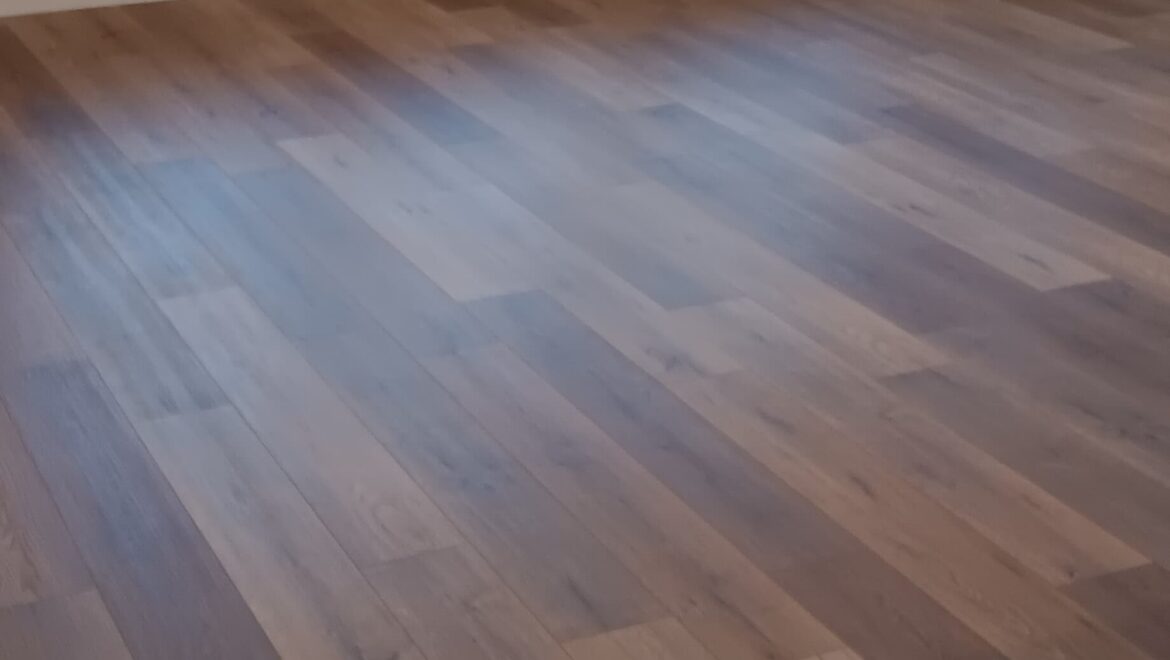
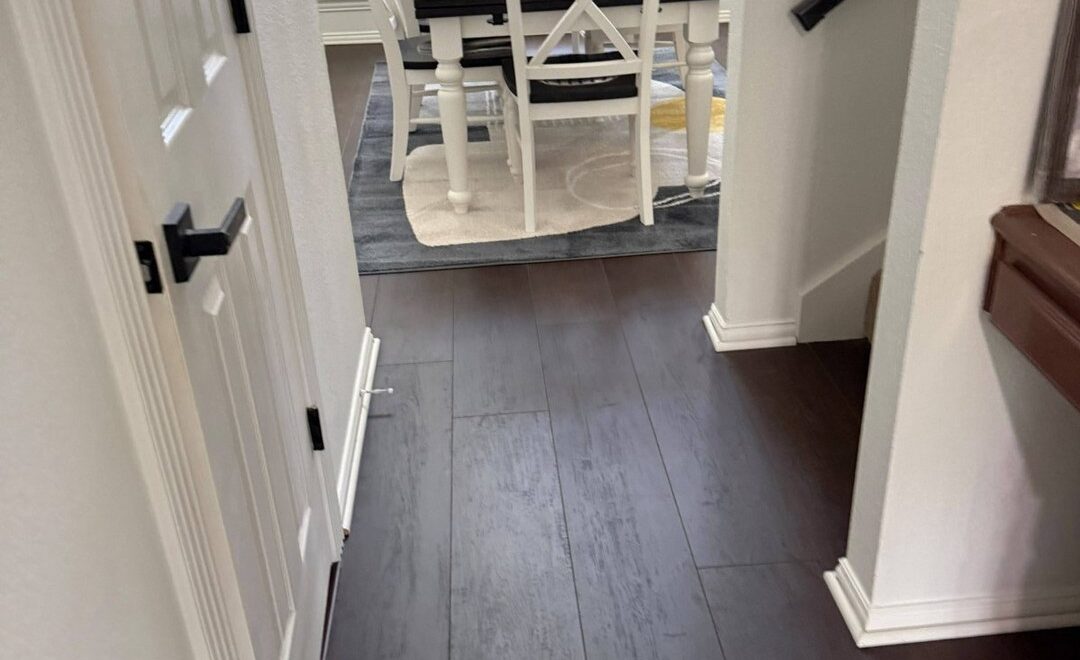
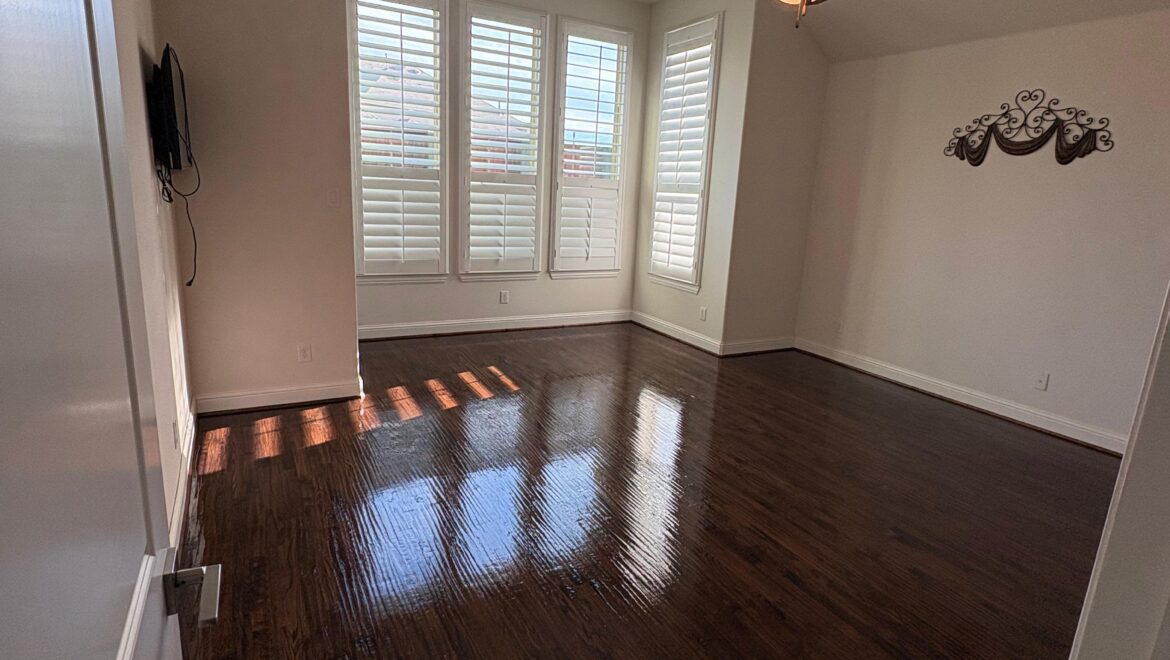
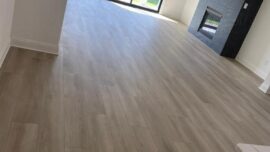
Luxury vinyl plank flooring installed throughout a Frisco first floor.
Recommended Blog, Vinyl Flooring

SPC vs LVP Flooring: What’s the Difference (and Which Is Right for You)?

The quick answer

SPC (stone plastic composite) is a type of luxury vinyl plank with a rigid, limestone-based core. It’s the toughest against dents, the most stable when temperatures swing, and the most forgiving of small dips in the subfloor.

“Standard” LVP usually means flexible glue-down vinyl or softer WPC (wood plastic composite) planks. They feel warmer and quieter underfoot. For most busy North Texas homes, SPC is our go-to; WPC is the comfort pick.

Luxury vinyl plank has become one of the most popular floors in North Texas, and for good reason: it’s waterproof, realistic and built for real life. Shop for it, though, and you’ll run into a wall of letters: LVP, SPC, WPC, LVT. Here’s a plain-English guide to what they mean, how they compare, and how our crews in Frisco, Plano and Prosper help homeowners choose.

What is SPC flooring?

SPC stands for stone plastic composite. Its core is made mostly of powdered limestone bonded with PVC and stabilizers, which makes it dense and rigid. On top sits a printed design layer (the wood look) and a clear wear layer that protects it. Most SPC planks click together as a floating floor, and many come with an attached pad.

What is standard LVP?

LVP is the umbrella term for any luxury vinyl plank. When people say “standard” or “regular” LVP, they usually mean one of two things: flexible glue-down vinyl (thin planks glued directly to the subfloor) or WPC, a rigid plank with a foamed core that feels softer and warmer than SPC. All three are waterproof through the core.

SPC vs LVP at a glance

SPC (rigid core)WPC (foamed core)Flexible glue-down LVP
CoreLimestone + PVC, very denseFoamed PVC compositeThin flexible vinyl
Dent resistance●●●●●●●●○○●●●○○
Comfort and warmth●●●○○●●●●●●●●○○
Sound underfootFirmer; best with attached padQuietest of the floating optionsQuiet (glued tight to the floor)
Subfloor toleranceForgives small imperfectionsForgives small imperfectionsNeeds a very flat, smooth subfloor
Waterproof core?YesYesYes
Handles sun and temperature swings●●●●●●●●○○●●●●○
Installed cost$$$$–$$$$–$$
Best forBusy family homes, sunny rooms, petsBedrooms, living rooms, comfort loversLarge open areas, commercial, budget projects

The 30-second chooser

If you have kids, pets or rolling chairs
SPC

Its dense core shrugs off dents from dropped toys and furniture.

If comfort underfoot matters most
WPC

The foamed core feels softer and warmer, great for bedrooms and playrooms.

If the room gets strong afternoon sun
SPC

Rigid cores stay stable through heat swings near big windows and patio doors.

If you’re flooring a big open space on a budget
Glue-down LVP

Thin, stable and cost-friendly, as long as the subfloor is smoothed first.

Which is better over a North Texas slab?

Most homes in Collin and Denton counties sit on concrete slabs, and that’s great news for vinyl plank: all three types install well over concrete. Rigid-core SPC is our most common recommendation because it bridges minor dips in the slab and holds steady when the house warms up on summer afternoons. Whatever you choose, the slab should be checked for flatness and moisture first, and a moisture barrier used when the product calls for one.

🛠️
Crew tip: look at the wear layer, not just the thickness

Total plank thickness gets the attention, but the wear layer (measured in mils) is what protects the look. Around 12 mil works for most homes; 20 mil or more is worth it for big dogs, busy entries and home offices.

Myth Thicker vinyl plank is always better.
Fact A thick plank with a thin wear layer can scratch faster than a thinner plank with a 20 mil wear layer. Look at both numbers.
Myth SPC and LVP are completely different floors.
Fact SPC is a type of LVP. The difference is what the core is made of.
Myth Vinyl plank looks cheap.
Fact Today’s printed layers and textured surfaces are realistic enough that many guests assume it’s wood.

How SPC and LVP compare to other floors

If you’re still deciding between vinyl and something else, our guide to hardwood vs engineered vs laminate covers the real-wood and laminate side, and laminate vs vinyl goes head to head. For the difference between vinyl tile and vinyl plank, see LVT vs LVP.

Brands we install

We carry vinyl plank from Lux Flooring and Lions Floor, with rigid-core and comfort-focused options in a range of looks from light European oak to warm hickory. We’ll bring samples so you can feel the difference between cores in your own home. See our vinyl plank installation services for more.

Feel the difference before you choose

We’ll bring SPC, WPC and glue-down samples to your home in Frisco, Plano, Prosper and across North Texas. Your in-home estimate is free.

Book my free in-home estimate

Frequently asked questions

Is SPC better than LVP?

SPC is a type of LVP with a rigid stone-plastic core. It’s better for dent resistance and stability; softer WPC or flexible LVP can be more comfortable underfoot. The right choice depends on the room and how you use it.

Is SPC flooring waterproof?

Yes. The SPC core doesn’t absorb water, so spills won’t swell the planks. Water should still be wiped up promptly so it doesn’t sit under the floor at the edges.

Does SPC flooring need underlayment?

Many SPC planks have a pad already attached. Don’t add a second pad under it, which can strain the joints. If the plank has no pad, use the underlayment the manufacturer specifies.

Is SPC flooring loud?

It’s firmer than WPC, so it can sound slightly harder. An attached acoustic pad and rugs in larger rooms keep it quiet.

How long does SPC flooring last?

With a good wear layer and normal care, 15 to 25 years is typical, and individual planks can be replaced if one gets damaged.

Can SPC go over existing tile?

Often, yes, if the tile is flat, solid and the grout lines are filled or minor. We check the floor during your estimate to confirm.

Vinyl Flooring

Vinyl Plank and Laminate Installation Mistakes to Avoid

The quick answer The mistakes that cause most vinyl plank and laminate failures are all made before the first plank clicks in: skipping acclimation, installing over an uneven or damp slab, and leaving no room for the floor to move. Get those three right, follow the manufacturer’s instructions, and these floors can look great for decades.

Vinyl plank and laminate are often sold as easy click-together floors, and they are easy to click together. What’s hard is everything around the clicking: the subfloor, the gaps, the layout and the details that keep the warranty valid. These are the mistakes our installers see most when we’re called in to fix floors around Frisco, Plano and Prosper, and how to avoid every one of them.

Mistake 1: Not acclimating the planks

Flooring that’s been sitting in a hot truck or a cold warehouse needs time to adjust to your home before installation. Many manufacturers ask for about 48 hours in the room with the HVAC running; some rigid-core products have different rules. Skipping this step can lead to gaps or buckling once the planks settle. Always follow the specific instructions in the box.

Mistake 2: Skipping subfloor prep

Floating floors need a flat base. Most manufacturers allow only a small variation, often around 3/16 inch over 10 feet. Dips and humps cause planks to flex, which strains the locking joints until they separate or squeak. A pro checks the slab with a straightedge and grinds high spots or fills low spots with self-leveler before installing.

Mistake 3: Ignoring moisture in the slab

Concrete slabs release moisture, and laminate in particular doesn’t like it. Installing without testing, or without the right vapor barrier, invites swelling, mold and warranty trouble. Some planks have a barrier built into the attached pad; others require a separate one. Our guide to choosing the right moisture barrier explains the options.

🛠️
Crew tip: never double up the pad If your planks already have an attached underlayment, adding a second foam pad underneath makes the floor too soft. The joints flex with every step and can break. It can also void the warranty.

Mistake 4: No expansion gap

Floating floors expand and contract with temperature and humidity, so they need a small gap at every wall, cabinet, door frame and fixed object (often about 1/4 inch, hidden by baseboard or quarter round). Butting planks tight against the wall is one of the top causes of buckling and peaking.

Mistake 5: Poor layout and seam stagger

Seams lined up
Looks like a ladder
End joints in neighboring rows should be staggered, often at least 6 to 8 inches apart.
Repeating “H” patterns
Distracting and weaker
Avoid end joints that line up every other row.
Skinny last row
Hard to lock and noticeable
Measure the room first and balance the first and last rows.
Planks from one box
Obvious pattern repeats
Mix planks from several boxes as you go.

Mistake 6: Pinning a floating floor under cabinets or islands

A floating floor has to be free to move. Installing kitchen cabinets, islands or heavy built-ins on top of it pins the floor in place, and the planks can buckle or separate elsewhere in the room. The fix is to install the flooring around fixed cabinetry with the proper gap, or choose a glue-down product where the plan requires it.

Mistake 7: Skipping transitions on long runs

Many floating floors need a break (a T-molding or other transition) in doorways or over very long, continuous runs, depending on the product. Leaving them out to get a seamless look can cause the floor to buckle as it moves. Plan transitions thoughtfully so they look intentional.

Mistake 8: Rushing the finish details

  1. Undercut door jambs. Planks slide under the trim for a clean, gap-free look instead of caulked cuts.
  2. Use the right trims. Matching stair nose, reducers and end caps for each edge.
  3. Seal wet-area edges. Silicone around tubs, toilets and the perimeter in bathrooms and laundry rooms.
  4. Protect the new floor. Felt pads on furniture and no dragging appliances across it.
Myth Click floors don’t need prep.
Fact Most failures trace back to the subfloor, not the planks.
Myth Waterproof planks don’t need a moisture barrier.
Fact The plank may be waterproof, but moisture under it can still cause mold and odors. Follow the manufacturer’s requirements.
Myth A professional install just costs more.
Fact Pros protect your warranty, and fixing a failed DIY floor usually costs more than doing it right the first time.

Still choosing your floor? Compare rigid-core options in SPC vs LVP, and see whether laminate fits your wet areas in is laminate flooring waterproof?.

Want it done right the first time?

Our crews install vinyl plank and laminate across Frisco, Plano, Prosper and North Texas, with slab prep and moisture protection included in the plan. Estimates are free. Book my free in-home estimate

Frequently asked questions

Do you need to acclimate vinyl plank flooring? Many products recommend about 48 hours in the room before installation, while some rigid-core planks have different requirements. Always follow the instructions for your specific floor.
How flat does a floor need to be for LVP? Most manufacturers allow only a small variation, commonly around 3/16 inch over 10 feet. Check your product’s installation guide for the exact tolerance.
Can you put a floating floor under kitchen cabinets? No. Cabinets and islands should sit on the subfloor with the flooring installed around them, so the floating floor can expand and contract.
Do I need an expansion gap for vinyl plank? Yes, floating vinyl plank needs a gap at walls and fixed objects, usually covered by baseboard or quarter round. The exact size is in the manufacturer’s instructions.
Can I install new flooring over old flooring? Sometimes. Vinyl plank and laminate can often go over flat, solid hard surfaces, but not over carpet or damaged floors. An in-home check confirms what’s safe.

Hardwood vs Engineered vs Laminate Flooring: Which Is Right for Your Home?

The quick answer Solid hardwood is the forever floor: real wood all the way through, and it can be sanded and refinished again and again for generations. It needs a wood subfloor, though. Engineered hardwood gives you that same real-wood surface on a stable layered core. It’s the go-to real-wood choice over the concrete slab foundations most Frisco, Plano and Prosper homes sit on. Laminate gives you the wood look with the best scratch resistance and the friendliest price, but it can’t be refinished.

Choosing a new floor is one of the most exciting parts of any home project. It’s also one of the most confusing, because three very different products can look almost identical in a showroom photo. Below we put solid hardwood, engineered hardwood and laminate side by side: what they’re made of, how they hold up to kids, pets and North Texas weather, and which one fits each room. Our crews install all three every week across Frisco, Plano and Prosper, so this is the same advice we give homeowners at their kitchen table during a free in-home estimate.

The 30-second floor finder

Not in the mood for a deep dive? Find the card that sounds most like your home.

If your home is on a concrete slab
Engineered hardwood
Real wood that’s built to stay stable over concrete. Laminate works great here too.
If you have big dogs and busy kids
Laminate
The toughest surface against claws and toy trucks. Prefer real wood? Choose wire-brushed engineered, which hides wear well.
If you want a floor for the next 50+ years
Solid hardwood
It can be refinished many times, so it can look new again decades from now.
If budget is the top priority
Laminate
The wood look for the lowest installed cost of the three.
If it’s a kitchen, laundry or mudroom
Waterproof laminate or LVP
Spills happen. Choose a product rated for water. More on this below.
If you’re planning to sell in a few years
Engineered hardwood
“Real hardwood floors” is a feature buyers in our area often ask about, and engineered counts.

Hardwood vs engineered vs laminate at a glance

  Solid hardwood Engineered hardwood Laminate
What it is One solid piece of wood, usually 3/4″ thick Real hardwood top layer bonded to a plywood or HDF core Printed wood image under a clear wear layer, on a high-density fiberboard core
Real wood? Yes, all the way through Yes, on top No
Look and feel ●●●●● ●●●●● ●●●○○
Scratch resistance ●●○○○ ●●●○○ ●●●●●
Water resistance ●○○○○ ●●○○○ ●●●○○ (higher on waterproof lines)
Can be refinished? Many times Usually 1–3 times, depending on wear layer No
Over a concrete slab? Not usually Yes Yes
Typical lifespan 50–100 years 20–40+ years 15–25 years
Installed cost $$$ $$–$$$ $
How it’s installed Nailed to a wood subfloor Glued down or floating; nailed over wood subfloors Floating (click-together over underlayment)

Hardwood vs laminate: what’s really different

The biggest difference is simple: hardwood is wood, and laminate is a photograph of wood protected by a tough clear layer. That one fact drives almost everything else.

Hardwood ages and renews. It picks up character over time, and when the finish wears down, a crew can sand it and refinish it, even in a brand-new stain color. It feels warm and solid underfoot and has the natural variation only real wood has.

Laminate stays the same, which can be a good thing. Its wear layer shrugs off scratches that would mark hardwood, and it installs quickly as a floating floor. The trade-off is that when it does wear out or get damaged, the boards are replaced rather than refinished. A quality underlayment matters, too: it’s what keeps laminate from sounding hollow.

Myth Laminate always looks fake.
Fact Today’s laminates use high-resolution printing and textures that follow the grain, so they’re hard to tell apart at a glance. Up close, they sound and feel different from real wood.
Myth Engineered hardwood isn’t “real” hardwood.
Fact The surface you see and walk on is real hardwood, in the same species and finishes as solid. Only the core underneath is different.
Myth Solid hardwood is always the better investment.
Fact On a concrete slab, engineered hardwood is usually the smarter and more stable choice, and it still gives you real wood.
Myth Laminate can’t handle any water.
Fact Many newer laminates are water-resistant or even rated waterproof for everyday spills. Standing water and leaks are still a job for quick cleanup.

Engineered wood vs laminate

These two are the most common head-to-head in North Texas, because both work well over a slab and both come in wide, modern planks. The question comes down to real wood vs maximum toughness.

Choose engineered hardwood if you love the warmth, natural grain and value of real wood, and you’d like the option to refresh the surface someday. Choose laminate if your home sees heavy daily wear, you want the most scratch-resistant surface for the money, or you’re flooring a large area on a tighter budget. Many families mix the two: engineered hardwood in the living and dining rooms, laminate or LVP upstairs or in the kids’ wing.

🛠️
Crew tip: ask about the wear layer On engineered hardwood, the wear layer is the real wood on top, and it decides how many times the floor can be sanded and refinished later. A thicker wear layer means more chances to make the floor look new again. Two engineered floors can look identical in a sample box and age very differently, so always ask.

Curious how engineered planks are built? We break it down layer by layer in how engineered wood flooring is made.

Engineered hardwood vs vinyl plank (LVP)

Luxury vinyl plank is the fourth option most homeowners ask about. Its big advantage is water: quality LVP is waterproof, which makes it a favorite for kitchens, laundry rooms and bathrooms. Engineered hardwood wins on authenticity, warmth underfoot and long-term value. A popular plan is engineered hardwood through the main living areas, with LVP in the wet zones. Compare vinyl formats in our LVT vs LVP guide, or see our vinyl plank installation services.

Why North Texas homes change the math

Most homes in Frisco, Plano, Prosper and the rest of Collin and Denton counties are built on concrete slab foundations, and they sit on clay soil that shifts with the seasons. Add bone-dry heated air in winter and humid summers, and you get a lot of movement that floors have to handle.

That’s why engineered hardwood is the real-wood workhorse here. Its cross-layered core expands and contracts far less than solid boards, and it can be glued directly to the slab or floated above it. Solid hardwood is still a beautiful option on second floors and in homes with a wood subfloor. Whatever you choose, two steps protect the investment: letting the material acclimate in your home before install, and using the right moisture barrier over concrete.

The best choice, room by room

Living & dining rooms
Engineered or solid hardwood
These rooms show off real wood best and see less water than kitchens.
Bedrooms
Any of the three
Low traffic means you can choose on look and budget.
Second floor
Solid hardwood is back on the table
Upstairs floors usually have a wood subfloor, which is ideal for nail-down solid.
Kitchen
Engineered or waterproof laminate
Wipe spills quickly on wood, or choose a water-rated laminate or LVP.
Bathrooms & laundry
LVP or tile
Rooms with standing water are the one place we steer away from wood and standard laminate.
Kids’ playroom
Laminate
Maximum scratch resistance where the toy bins live.

What about cost?

As a rule of thumb, laminate has the lowest installed cost, engineered hardwood sits in the middle to upper range, and solid hardwood is usually the highest. The plank you pick is only part of the price, though. Removing the old floor, leveling the slab, stairs, transitions and trim can move the total more than the material does. The most accurate number comes from measuring your actual rooms. Our in-home estimates are free, and we bring samples to you so you can see them in your own light.

Brands we install

For hardwood and engineered hardwood, our customers love Bella Cera, Jackson Hardwood and D&M Flooring. For laminate, Lux Flooring offers realistic visuals with water-resistant performance. Want to compare species too? Read the best wood species for hardwood floors, or explore our hardwood flooring installation and laminate flooring services.

See all three in your home before you decide

We bring hardwood, engineered and laminate samples to your door in Frisco, Plano, Prosper and across North Texas. Your in-home estimate is free. Book my free in-home estimate

Frequently asked questions

Is engineered hardwood better than laminate? It depends on what matters most. Engineered hardwood is real wood, feels warmer and can usually be refinished, which adds long-term value. Laminate is more scratch-resistant and costs less. For main living areas where looks matter most, we usually recommend engineered. For high-wear spaces on a budget, laminate is hard to beat.
Can you tell the difference between laminate and hardwood? From a few feet away, often not. Up close, real wood shows natural variation that never repeats exactly. It also sounds more solid when you walk on it and feels warmer to the touch. A good underlayment narrows the sound gap with laminate considerably.
Which is more water-resistant: hardwood, engineered or laminate? Waterproof-rated laminate handles everyday spills best of the three, followed by engineered hardwood, then solid hardwood. None of them should sit in standing water. For bathrooms and laundry rooms, luxury vinyl plank or tile is the safer pick.
Can engineered hardwood be refinished? Usually, yes. How many times depends on the thickness of the real-wood wear layer. Thicker wear layers can typically be fully sanded and refinished one to three times. Thinner ones may only allow a light screen-and-recoat to refresh the finish.
Which floor is best for dogs? Laminate and LVP resist claws best. If you want real wood with pets, choose a harder species with a wire-brushed or matte finish, which hides everyday scratches. Keep nails trimmed and add rugs in the zoomies zones.
Can you put solid hardwood on a concrete slab? It’s possible with special subfloor systems, but it’s rarely the best choice in North Texas. Engineered hardwood gives you the same real-wood surface and is designed to be glued down or floated over concrete, so it’s the option we typically recommend for slab homes.

Shaw Oak Grove Baywood Brown laminate flooring in Prosper TX
About Floors, Floor Care, Hardwood Flooring, How-to

How to Clean Engineered Hardwood Floors (Without Damaging Them)

The quick answer

Sweep or vacuum (hard-floor setting, beater bar off) a few times a week, and damp-mop with a pH-neutral hardwood cleaner on a well-wrung microfiber pad.

Skip steam mops, vinegar, oil soaps, wax and soaking-wet mops. Too much water and heat are the two things engineered wood dislikes most.

Engineered hardwood is one of the best things you can put in a North Texas home: real wood on top, a stable core underneath, and a look that makes every room feel finished. The good news is that keeping it beautiful takes a few minutes a week and the right two or three tools, not a closet full of products. Here’s the routine our installers recommend to homeowners in Frisco, Plano and Prosper, plus straight answers to the “can I use…?” questions we hear most.

Why engineered hardwood needs a gentle touch

Every engineered plank has a thin layer of real hardwood, called the wear layer, bonded to a layered core. The wear layer is protected by a factory finish. Your cleaning routine has one job: protect that finish so the wood underneath never gets exposed. Harsh chemicals dull it, grit scratches it, and water or steam can slip into the seams and swell the edges. Want the full picture of how the layers work? See how engineered wood flooring is made.


“Can I use…?” The quick-verdict table

Product or tool Verdict Why
pH-neutral hardwood cleaner ✅ Yes Cleans without dulling the finish. Use the one your floor’s manufacturer recommends when possible.
Microfiber dust mop ✅ Yes Grabs the grit that causes fine scratches. Your best daily tool.
Vacuum (hard-floor mode) ✅ Yes Turn the beater bar or brush roll off. Spinning bristles can scuff the finish.
Robot vacuum ✅ Yes Great for daily grit. Use soft wheels and hard-floor mode.
Spray mop with wood cleaner ✅ Yes, lightly Fine with a hardwood-safe formula. Mist; don’t puddle.
Castile soap ⚠️ Only very diluted It can leave a dulling film, and many manufacturers don’t recommend it. A pH-neutral wood cleaner is the safer choice.
Vinegar and water ⚠️ Not recommended Vinegar is acidic. Over time it can etch and dull the protective finish.
Robot mop / wet mop ⚠️ Lowest water setting only Only if your flooring manufacturer approves it. Too much water seeps into seams.
Steam mop ❌ No Heat plus moisture can swell plank edges, weaken adhesives and void many warranties.
Oil soaps, wax or furniture polish ❌ No They build up a slippery, cloudy film and can make a future recoat harder.
Bleach, ammonia, abrasive pads ❌ No Too harsh for the finish. They can strip, haze or scratch it.

How to damp-mop engineered hardwood, step by step

  1. Remove the grit first. Dust-mop or vacuum the whole floor. Mopping over sand and crumbs just drags them across the finish.
  2. Mix or grab a pH-neutral hardwood cleaner. Follow the label. More cleaner doesn’t mean cleaner floors; it means residue.
  3. Use a microfiber flat mop, wrung out well. It should feel barely damp to the touch, never dripping.
  4. Work with the grain. Mop in the direction the planks run, a few boards at a time, starting at the far wall and working toward the door.
  5. Swap or rinse the pad when it looks dirty. A dirty pad just moves grime around.
  6. Let it air-dry in minutes. If the floor is still wet after 2–3 minutes, you used too much liquid. Dry it with a clean microfiber cloth.

Your easy cleaning routine

Daily, or as needed
Dust mop + wipe spills

Two minutes with a microfiber dust mop in the kitchen and entry. Wipe spills right away.

Weekly
Vacuum + spot damp-mop

Vacuum in hard-floor mode, then damp-mop high-traffic paths like the kitchen and hallways.

Monthly
Whole-floor damp mop

Mop every room, shake out the entry mats and check furniture felt pads.

Every few years
Screen and recoat

When the finish looks dull in traffic lanes, a fresh coat of finish restores the shine without sanding.

Is castile soap safe for hardwood floors?

Castile soap is a popular natural cleaner, and a very diluted mix (a few drops in a bucket of warm water) won’t ruin a floor. The catch is that soap tends to leave a thin film behind. On engineered and solid hardwood, that film slowly dulls the finish and can show footprints. Many flooring manufacturers recommend a pH-neutral hardwood cleaner instead. If you love castile soap, save it for occasional spot cleaning, and use a dedicated wood cleaner for regular mopping.

Can you steam mop engineered hardwood?

We recommend against it. A steam mop pushes hot moisture down into the seams between planks. Over time that can swell the edges, weaken the bond between the wood layer and the core, and cloud the finish. Many engineered hardwood warranties specifically exclude steam damage. A barely damp microfiber mop with a hardwood cleaner gets the floor just as clean without the risk.

🛠️
Crew tip: know your finish

Most engineered floors have a factory urethane or aluminum-oxide finish, and everything in this guide applies to them. Some European-style floors have an oiled finish instead, which needs its own soap and periodic re-oiling. Not sure which you have? Check your warranty care guide. If we installed your floor, just ask and we’ll send it over.

Spill emergency: what to do in the first five minutes

  1. Blot, don’t wipe. Press a dry towel onto the spill to soak it up without spreading it into more seams.
  2. Clean the spot. Use a cloth lightly dampened with your hardwood cleaner. For sticky spills, let the cleaner sit for a few seconds first.
  3. Dry it completely. Finish with a dry microfiber cloth, paying attention to the edges of each plank.
  4. Watch the seams for a few days. Raised or cupped edges mean water got underneath. Call your installer early, because small problems are easier to fix.

For pet accidents, blot first, then use an enzyme cleaner labeled safe for finished wood floors, followed by your regular hardwood cleaner.

Protect your floors between cleanings

Furniture
Felt pads everywhere

Chairs, tables and stools. Replace pads when they get thin or gritty.

Entryways
Mats inside and out

Most scratches start as tracked-in sand. Choose mats without rubber or latex backing, which can discolor some finishes.

Climate
Keep humidity at 35–55%

North Texas swings from humid summers to dry heated winters. A humidifier in winter helps prevent gaps.

Pets
Trim those nails

Short nails mean fewer scratches. Add rugs where the dogs love to sprint.

Sunlight
Rotate rugs

Sun gently changes wood color over time. Moving rugs now and then keeps it even.

When cleaning isn’t enough

Even well-loved floors eventually lose a little shine in the busiest paths. That’s normal, and it’s fixable. A screen and recoat lightly buffs the existing finish and adds a fresh protective coat, usually in a day. Deeper scratches can often be sanded and refinished, depending on how thick your wear layer is. If you’re weighing a refresh against new floors, our guide to hardwood vs engineered vs laminate walks through the options, and our team can take a look at your floors in person.

Floors looking tired? Let’s bring them back.

From recoats to brand-new engineered hardwood, we serve Frisco, Plano, Prosper and across North Texas. In-home estimates are always free.

Book my free in-home estimate

Frequently asked questions

What is the best thing to clean engineered hardwood floors with?

A pH-neutral hardwood floor cleaner on a microfiber mop. Ideally, use the cleaner your flooring manufacturer recommends, since it’s made for that finish and keeps your warranty happy.

How often should I mop engineered hardwood?

Damp-mop high-traffic areas about once a week and the whole floor about once a month. Dust-mop or vacuum more often, because removing grit is what prevents scratches.

Can I use a Swiffer on engineered hardwood?

Dry dusting cloths are great. Spray-style mops are fine if you use a wood-safe cleaner and mist lightly instead of soaking the floor.

How do I make engineered hardwood shine again?

Skip polishes and waxes, which build up a cloudy film. Start with a thorough clean using a hardwood cleaner. If it still looks dull, the finish is worn, and a professional screen and recoat restores the shine.

Is cleaning engineered hardwood different from solid hardwood?

The routine is the same: dry clean often, damp-mop gently, and avoid steam and harsh chemicals. Because engineered wear layers are thinner than solid boards, it’s even more important to protect the finish and avoid abrasive tools.

Does water damage engineered hardwood?

Quick spills wiped up promptly won’t hurt it. Standing water, leaks and repeated over-wet mopping can swell the edges and damage the core, so dry spills fast and keep mops barely damp.

Newly installed porcelain tile flooring in a residential laundry room.
Floor Care, Hardwood Flooring, House Renovation, Laminate Flooring, Tile Flooring, Tips & Tricks, Uncategorized, Vinyl Flooring

Types of Flooring: How to Choose the Right Floor and Installation Method

Types of Flooring: How to Choose the Right Floor and Installation Method

Choosing between the different types of flooring is about more than deciding whether you like hardwood, luxury vinyl plank, laminate, tile, or carpet.

You also need to think about how the floor will be installed.

That decision can affect:

  • How long installation takes
  • How much preparation your existing floor needs
  • How permanent the new floor will be
  • How difficult it will be to remove later
  • Whether your baseboards need to be removed or adjusted
  • Whether door jambs and casings need to be undercut
  • How much the finished floor raises the height of the room
  • How easy individual boards are to repair or replace in the future

Two homeowners can choose floors that look almost identical and end up with very different projects depending on whether those floors are floated, glued, nailed, or installed over a completely removed existing floor. If you are planning a flooring project, it helps to start with two questions:

What type of flooring fits the room?

And:

How permanent do I want this installation to be?

This guide explains both.

What Are the Main Types of Flooring?

Most homeowners shopping for new flooring will encounter several major categories.

Flooring Type Common Uses Common Installation Methods General Character
Luxury vinyl plank or tile Living areas, kitchens, bedrooms and many moisture-prone spaces Floating or glue-down Practical and versatile
Laminate Living rooms, bedrooms, offices and general residential areas Usually floating Budget-conscious and fast
Engineered hardwood Living areas, bedrooms and upscale interiors Floating, glue-down or nail-down depending on product Premium with installation flexibility
Solid hardwood Living areas, bedrooms and long-term homes Usually nail/staple-down; some systems use adhesive assistance Permanent and traditional
Tile Bathrooms, kitchens, entries and other appropriate areas Mortar/thin-set Durable and permanent
Carpet Bedrooms, living spaces and offices Stretch-in or glue-down depending on application Soft and comfortable

The important thing to understand is that flooring type and installation method are not always the same decision.

For example, engineered hardwood may be compatible with floating, glue-down, or nail-down installation depending on the specific product and substrate. With a floating installation, the planks connect to each other instead of attaching directly to the subfloor.”

That flexibility is why homeowners should consider the installation method before buying flooring, not after.

The Four Flooring Installation Approaches Homeowners Should Understand

While installation requirements vary between manufacturers and products, most residential projects can be understood through four broad approaches:

Floating, glue-down, nail-down, and mortar-set installation.

Each works best for a different type of homeowner and project.

1. Floating Flooring: Best for Speed and Future Flexibility

Installers do not fasten a floating floor directly to the subfloor. Instead, the planks connect to each other, commonly through a locking system, and the finished floor rests over the prepared substrate or approved underlayment.

This is common with many laminate and luxury vinyl plank products, as well as certain engineered hardwood floors.

Shaw Endura Plus White Sand laminate flooring installed in a Frisco TX bedroomWho Is a Floating Floor Best For?

Think of floating flooring as the choice for the homeowner who says:

“I want a good-looking floor, I want the project moving quickly, and I am not necessarily married to this house or this exact floor forever.”

That does not mean floating flooring is temporary or low quality. Quality varies enormously between products.

It means the installation itself generally involves fewer permanent attachments to the structure.

If you expect to remodel again, change styles in several years, sell the house, or simply value flexibility, a floating floor can make a lot of sense.

How Fast Is Floating Floor Installation?

Among common plank-flooring methods, floating installation can often be one of the faster options because installers do not have to spread adhesive across the entire floor or mechanically fasten every plank.

Actual project time still depends on factors such as:

  • Furniture removal
  • Existing flooring demolition
  • Floor leveling
  • Moisture conditions
  • Layout complexity
  • Closets and hallways
  • Transitions
  • Baseboard work
  • Product acclimation requirements

The floor may be quick to click together, but preparation still matters.

A fast installation over a poorly prepared substrate is not a good installation.

What Happens If You Want to Replace a Floating Floor Later?

Easier future removal is one of the biggest advantages of a floating floor. Because many floating systems do not attach permanently to the substrate, future remodeling can require less demolition. Still, homeowners should not assume every floating floor can be dismantled and reused.

How Floating Floors Affect Baseboards

Floating floors normally require room around the perimeter for movement according to the flooring manufacturer’s specifications.

That space has to be concealed.

One approach is to remove the existing baseboards before installation and reinstall them over the finished flooring.

Another is to leave the baseboards in place and add an approved trim detail such as shoe molding or quarter round where appropriate.

For homeowners who want the cleanest finished appearance, removing and reinstalling or replacing the baseboards is often worth discussing during the estimate.

What About Door Jambs?

Door jambs and casing are another important detail.

Instead of cutting flooring around a door casing and leaving visible gaps, installers commonly undercut the casing or jamb where appropriate so the new flooring can extend underneath it.

The thickness of the new flooring and underlayment matters.

Changing from a thin existing floor to a thicker flooring system can also reduce clearance beneath doors.

That is why finished floor height needs to be evaluated before installation begins.

2. Glue-Down Flooring: Best for Homeowners Who Want a More Permanent Installation

With glue-down flooring, an approved adhesive attaches the flooring directly to the prepared substrate.

Glue-down installations are common with certain luxury vinyl products and engineered hardwood floors.

Who Is Glue-Down Flooring Best For?

The glue-down homeowner tends to say:

“I plan to keep this floor for a long time, and I want it firmly integrated with the house.”

This is less about speed and more about commitment.

Glue-down floors can provide a firm feel underfoot and may be appropriate for applications where a floating system is not preferred or permitted.

The specific flooring and adhesive must always be compatible with the substrate and manufacturer requirements.

How Fast Is Glue-Down Installation?

Usually, glue-down projects involve more installation steps than a basic floating installation.

The installer may need to:

Prepare and flatten the substrate, address moisture requirements, apply adhesive correctly, maintain the appropriate working time, place the material and follow product-specific curing or traffic instructions.

With wood flooring in particular, adhesive choice and moisture conditions matter. Industry guidance emphasizes matching the adhesive system to the flooring, substrate, and moisture conditions rather than assuming every wood floor can simply be glued down.

The actual installation speed therefore depends heavily on the floor being installed.

What Happens When You Want to Remove It?

Future remodeling deserves extra consideration with glue-down flooring. Removing an adhered floor usually takes more effort than dismantling a floating system and may require scraping, mechanical tools, adhesive removal, and additional substrate preparation.

If you already know you change interior styles frequently, that should be part of your decision.

If you want a floor that feels more permanent and do not expect to replace it anytime soon, the additional commitment may not bother you at all.

How Does Glue-Down Affect Baseboards and Door Jambs?

Baseboard decisions depend primarily on flooring thickness, required perimeter clearances, existing trim and the desired finished appearance.

Door jamb height also needs to be considered.

Even when a floor is directly adhered, adding a thicker flooring system can change the finished elevation enough to affect door clearance and transitions into neighboring rooms.

3. Nail-Down Flooring: Best for the Long-Term Hardwood Homeowner

Nail-down or staple-down installation is strongly associated with hardwood flooring.

The flooring is mechanically fastened to an appropriate wood substrate.

In some applications, particularly with wider wood planks, an installation may combine mechanical fasteners with adhesive according to manufacturer and industry requirements. Current wood-flooring guidance includes nail-down, glue-down, floating, and assisted installation methods rather than treating every hardwood installation the same way.

Who Is Nail-Down Flooring Best For?

This is for the homeowner whose attitude is:

“I love real wood, I expect this floor to stay here, and I am investing in the house long term.”

Traditional hardwood is not usually chosen because someone wants the easiest floor to remove five years later.

It is chosen because the homeowner wants a substantial, long-term flooring system.

How Fast Is Nail-Down Installation?

Nail-down installation can be efficient in the hands of an experienced hardwood crew, but it generally requires more individual fastening than assembling a click-lock floating floor.

Project time also depends heavily on:

Subfloor condition, hardwood acclimation requirements, plank width, room layout, fastening specifications and whether glue assistance is required.

The manufacturer’s installation instructions ultimately determine what fastening system and schedule are appropriate for a particular product.

What Happens If You Change It Later?

Nail-down floors can be removed, but they are not designed around easy future demolition.

Boards have been mechanically attached to the subfloor, so removing them is more labor-intensive than dismantling many floating systems.

That added commitment does not make nail-down flooring inferior—it simply suits a different homeowner. Someone who values permanence may gladly accept more difficult future demolition in exchange for the hardwood installation they want today.

Baseboards and Door Jamb Height

Hardwood thickness makes planning especially important.

If you are replacing a thinner floor with thicker hardwood, installers need to evaluate transitions, doors, baseboards, cabinets and other fixed elements. Adding new flooring on top of an existing floor can increase overall elevation enough to create issues with interior or exterior doors, appliances, cabinets and stairs.

For that reason, the question should not simply be:

“Can we install over this floor?”

A better question is:

“What will the finished floor height be if we do?”

4. Tile and Mortar-Set Flooring: Best for Homeowners Thinking Long Term

Newly installed porcelain tile flooring in a residential laundry room. Tile is a different category from click-together plank flooring.

Ceramic, porcelain, stone and similar materials are typically bonded to a properly prepared surface using an appropriate mortar or setting material.

Who Is Tile Best For?

The tile homeowner usually says:

“I want durability, I am willing to spend more time on installation, and I do not plan to change this floor casually.”

Tile can be an excellent solution in the right room and under the right conditions, but it is not usually the flooring you select because you want the easiest demolition later.

How Fast Is Tile Installation?

Compared with many floating-floor projects, tile is usually more labor intensive.

Installation may involve:

Substrate preparation, layout, cutting, mortar application, setting, curing, grouting, cleanup and transition work.

Patterns, large-format tile, small rooms with many cuts and substrate correction can all increase the project timeline.

What Happens When You Want to Remove Tile?

Tile demolition can be significant.

The tile itself has to be broken or removed, and the underlying setting material may also need to be mechanically removed or flattened before another floor is installed. That makes tile a good example of why homeowners should think about the entire life cycle of the floor, not simply the day it goes in.

Which Flooring Installation Method Matches Your Personality?

Flooring decisions get easier when you stop asking which method is universally “best.”

There is no universally best installation method.

There is a best method for a particular product, substrate, home and homeowner.

Your Personality Installation Direction to Consider Why
“I am in a rush.” Floating Often faster with fewer permanent attachment steps
“I may move in a few years.” Floating Generally offers more future flexibility
“I change my style all the time.” Floating Future removal can be less involved
“This is my long-term house.” Glue-down, nail-down, tile or an appropriate permanent system Future demolition is less important
“I want real hardwood.” Nail-down, glue-down or approved floating engineered hardwood Depends on flooring construction and substrate
“I care about a solid, attached feel.” Glue-down or nail-down where appropriate Flooring is attached to the substrate
“I want the easiest future remodel.” Often floating Usually less attachment to remove
“I want something permanent.” Glue-down, nail-down or tile Designed with a longer-term installation mindset

These are decision-making guidelines, not substitutes for product specifications.

A manufacturer may require one installation method and prohibit another.

The product, substrate, moisture conditions and installation instructions always come first.

How Flooring Installation Speed Really Works

Homeowners often ask:

“How long will it take to install my floor?”

The installation method is only part of the answer.

Consider two identical 1,000-square-foot homes. One has a clean, flat substrate with the furniture already removed. The other has tile that needs demolition, several low and high spots, large furniture, complicated doorways and baseboards that need replacement. Even if both homeowners buy the exact same flooring, those projects will not take the same amount of time.

The biggest variables are often what happens before the first plank goes down.

That includes demolition, substrate preparation, moisture evaluation, leveling or flattening, furniture movement, trim work and layout. When comparing flooring estimates, ask what preparation is included instead of comparing installation speed alone.

Should You Remove the Existing Flooring or Install Over It?

Sometimes a new flooring system can be installed over an existing surface.

That does not automatically mean it should be.

Keeping the existing floor may reduce demolition, but it can create another issue:

height.

Every layer you add raises the finished floor.

That can affect:

  • Door clearance
  • Door jambs
  • Baseboard proportions
  • Transitions between rooms
  • Appliances
  • Cabinets
  • Exterior doors
  • Stair geometry

Industry guidance specifically warns that installing over existing floor coverings changes floor elevation and can create problems around doors, cabinets, appliances and stairs.

This is why demolition should be evaluated as part of the complete flooring system instead of automatically being treated as an expense to avoid. Sometimes removing the old floor gives you a cleaner starting point and better height alignment. In other situations, keeping a suitable existing floor may make sense. The right answer depends on what is already there and what is going on top of it.

How New Flooring Affects Baseboards

Baseboards are one of the most overlooked parts of flooring planning.

There are generally two approaches.

The existing baseboard can remain and an appropriate molding detail can cover the perimeter, or the baseboard can be removed and reinstalled or replaced after the new floor is installed. Removing baseboards can create a cleaner appearance, particularly when homeowners do not want additional quarter round or shoe molding. However, baseboard removal adds labor and may require paint touch-ups or replacement if older trim is damaged during removal.

Floor thickness matters too.

If your old flooring is substantially thicker than your new flooring, removing it may expose paint lines or gaps below existing baseboards. If the new flooring raises the floor significantly, the proportions of the existing baseboard can change visually. Trim planning should therefore happen before demolition starts.

How New Flooring Affects Door Jambs and Door Height

Doorways are another place where floor thickness becomes obvious.

A professional installation should consider how the flooring meets the door casing and jamb—not simply stop the planks nearby and fill the area with caulk.

Where appropriate, casings and jambs may be undercut so flooring can extend underneath them for a cleaner appearance.

The installer also needs to check the door itself.

If the new flooring assembly is thicker than the old one, the bottom of the door may no longer have adequate clearance.

That is especially important when:

Installing flooring over existing flooring, adding thicker underlayment, switching from thin flooring to hardwood or creating transitions between rooms with different flooring heights.

Flooring is not just a two-dimensional surface.

Every flooring project has a finished elevation.

That elevation needs to work with everything already attached to the house.

Think About the Next Flooring Project Before Starting This One

One of the smartest questions you can ask before installing new flooring is:

“What happens when I eventually want to remove this?”

If you are remodeling a starter home, expect to move, or like changing your interiors regularly, a floating system may offer the flexibility you value.

If this is your long-term home and you want a substantial hardwood installation, future demolition may barely matter to you.

If you are installing tile because you expect it to remain for decades, spending more time on substrate preparation and installation makes sense.

There is no wrong personality.

The mistake is choosing a permanent installation when you wanted flexibility—or choosing primarily for speed when you wanted the feel and characteristics of a more permanently attached system.

Floating vs. Glue-Down vs. Nail-Down Flooring

Here is the simplest way to compare the major plank-floor installation methods.

Factor Floating Glue-Down Nail-Down
Attached directly to subfloor? No Yes Yes
Typical installation speed Often faster Moderate Moderate
Future removal Usually easier More difficult More difficult
Commitment level Lower Higher Higher
Substrate preparation important? Yes Yes Yes
Floor height planning important? Yes Yes Yes
Door jamb planning required? Yes Yes Yes
Baseboard/trim planning required? Yes Yes Yes
Common flooring examples LVP, laminate, some engineered hardwood LVP, engineered hardwood Hardwood
Best personality fit Flexible, fast-moving homeowner Long-term homeowner Long-term hardwood homeowner

Remember that these are general comparisons.

Manufacturer requirements should determine the actual installation method used on your floor.

Which Type of Flooring Is Best for Your Home?

Choosing from the many types of flooring becomes easier once you answer a few practical questions.

How long do you expect to keep the floor?

How quickly do you need the project completed?

Are you comfortable with significant demolition the next time you remodel?

Do you want a floating floor or something permanently attached to the structure?

Will the new flooring increase the height of the room?

Should the existing baseboards stay, or would removing and reinstalling them create a better finish?

Will door jambs need to be undercut?

Will doors still open correctly after the finished floor is installed?

These questions can matter just as much as color, plank width and surface texture.

Plan Your Flooring Project With GC Flooring Pros

A good flooring project starts before installation day.

GC Flooring Pros can help you evaluate the flooring material, existing floor, substrate, installation method, transitions, baseboards and doorways together so you understand the complete project before work begins.

Whether you are considering a fast floating-floor installation or a more permanent hardwood, glue-down or tile system, the right choice should fit both your home and the way you plan to use it.

Contact GC Flooring Pros to discuss your flooring project and determine which flooring and installation approach makes the most sense for your space.


Completed upstairs hardwood flooring renovation replacing carpet with Red Oak.
Uncategorized

Hardwood Flooring Frisco TX: When Is the Best Time to Install Hardwood?

When to Install Hardwood Floors in Frisco

If you are considering hardwood flooring in Frisco, TX, choosing the right wood is only part of the decision. You also need to think about when the flooring should be installed, whether solid or engineered hardwood makes more sense for your home, and how your contractor plans to manage moisture before installation.

North Texas homes experience significant changes in temperature and humidity throughout the year. Because hardwood is a natural material, those environmental changes matter. Wood can gain moisture and expand when conditions are humid and lose moisture and contract when conditions become dry. The National Wood Flooring Association recommends maintaining a relatively consistent indoor environment to help minimize excessive movement in wood flooring.

The good news is that you do not necessarily need to wait for one specific season to install hardwood flooring.

A properly conditioned home, properly tested subfloor, appropriate hardwood product, and knowledgeable flooring contractor are generally more important than the month printed on the calendar.

Here is what Frisco homeowners should know before choosing their new hardwood floors.

Bella Cera La Scala engineered hardwood in the Bellini color throughout the living room of this Prosper, TX home

What Is the Best Season to Install Hardwood Flooring in Frisco, TX?

Many homeowners assume spring or fall is automatically the best time for hardwood installation.

Those seasons can certainly be convenient, but there is no universal “hardwood flooring season.”

The more important question is:

Are the conditions inside your home similar to the conditions the hardwood will normally experience after installation?

Wood naturally responds to changes in its surrounding environment. When humidity increases, wood may absorb moisture and expand. When conditions become drier, it can release moisture and contract. According to the National Wood Flooring Association, maintaining consistent indoor temperature and humidity helps reduce excessive seasonal movement.

That is particularly important in North Texas, where outdoor conditions can change dramatically throughout the year.

Installing Hardwood During Spring

Spring can be a convenient time for flooring projects because temperatures are often more moderate than during peak summer.

However, spring can also bring increased rainfall and changing humidity. The National Weather Service’s climatological data for Frisco shows substantial seasonal variation in precipitation, which is another reason contractors should evaluate the actual conditions inside the home rather than relying solely on the season.

Before installation, your contractor should confirm that:

  • The HVAC system is operating under normal living conditions.
  • The hardwood has been stored and prepared according to the manufacturer’s requirements.
  • The subfloor has been evaluated for moisture.
  • The flooring’s moisture condition is appropriate for the installation environment.

Installing Hardwood During Summer

Summer does not automatically mean hardwood installation should be avoided.

Most Frisco homes rely heavily on air conditioning during the hottest part of the year. If the home’s HVAC system is operating normally and indoor conditions are controlled, hardwood can often be installed successfully.

The bigger concern is bringing flooring from an uncontrolled warehouse, garage, trailer, or other environment directly into the house and installing it without following the manufacturer’s installation requirements.

Your contractor should understand how environmental conditions affect the specific product being installed.

Installing Hardwood During Fall

Fall is often a popular remodeling season because temperatures begin to moderate and homeowners may be preparing their houses for the holidays.

From a hardwood perspective, fall can also provide relatively comfortable working conditions.

But again, the calendar does not replace moisture testing.

A professional contractor should evaluate the flooring, subfloor, installation method, and indoor environment before installation begins.

Installing Hardwood During Winter

Hardwood can also be installed during winter.

The primary concern is that heated indoor environments can become drier. When wood loses moisture, boards may shrink, which can contribute to seasonal gaps.

The NWFA explains that wood flooring can naturally expand and contract as humidity changes and recommends maintaining relatively consistent indoor conditions throughout the year.

For Frisco homeowners, that means the best time to install hardwood is when the house is operating under normal living conditions and the installer has verified that the flooring and subfloor are ready.

What Should You Ask a Frisco Hardwood Flooring Contractor?

Choosing your hardwood species and stain color is the fun part.

The questions you ask your flooring contractor may be even more important.

Before hiring someone for hardwood flooring in Frisco, TX, ask how they plan to handle the technical parts of the installation.

1. How Will You Test the Subfloor for Moisture?

This should be one of your first questions. Hardwood installation is not simply a matter of opening boxes and fastening boards to the floor. The contractor should identify what type of subfloor you have and determine what testing and installation procedures apply. This becomes especially important when hardwood is being installed over or near concrete.

Ask your contractor:

“How will you determine whether my subfloor is ready for hardwood?”

You want a specific answer—not simply “we’ve been doing this for years.”

Red Oak hardwood flooring installation throughout a Frisco second floor.

2. Does This Hardwood Need to Acclimate?

You may hear that every hardwood floor needs to sit inside the house for three days, five days, or even two weeks. That is too simplistic. Proper preparation depends on the flooring product, manufacturer instructions, installation environment, wood moisture conditions, and other factors. The NWFA notes that improper acclimation can contribute to unwanted expansion or shrinkage after installation. A qualified contractor should follow the requirements of the product being installed rather than relying on an arbitrary number of days.

3. Do You Recommend Solid or Engineered Hardwood for My Home?

A good flooring contractor should not recommend the same product to every homeowner.

They should consider:

  • Your subfloor
  • Where the hardwood will be installed
  • Your household’s lifestyle
  • Desired plank width
  • Installation method
  • Moisture conditions
  • Desired appearance
  • Long-term maintenance expectations
  • Manufacturer requirements

Sometimes solid hardwood is the better choice. Sometimes engineered hardwood is clearly more practical.

4. How Will You Prepare and Flatten the Subfloor?

Even premium hardwood will not perform as intended over a poorly prepared substrate. Subfloor preparation can influence how the finished floor looks, sounds, and feels underfoot. Ask whether your estimate includes the necessary preparation or whether repairs and leveling work are priced separately.

5. What Installation Method Will You Use?

Depending on the floor, substrate, and manufacturer specifications, hardwood may be:

  • Nail-down
  • Staple-down
  • Glue-down
  • Installed using another manufacturer-approved system

Ask why your contractor recommends a particular method for your home.

6. Who Is Actually Performing the Installation?

Ask whether the crew evaluating the project will also complete the installation or whether the job will be assigned to another crew. You should also understand who is responsible for subfloor preparation, installation, transitions, trim work, cleanup, and final inspection.

Solid Hardwood vs. Engineered Hardwood

One of the biggest decisions Frisco homeowners face is choosing between solid and engineered hardwood.

Both can be real wood flooring.

The National Wood Flooring Association defines wood flooring broadly enough to include both solid and engineered products when real wood forms the top wearable surface.

However, they are constructed differently.

What Is Solid Hardwood?

Solid hardwood flooring is manufactured from a solid piece of wood.

Because the entire board is wood, solid flooring has been a popular choice in homes for generations.

Depending on the product and its remaining wear layer, a solid hardwood floor may offer substantial potential for future sanding and refinishing.

Benefits of Solid Hardwood

Solid hardwood may be appealing if you want:

  • Traditional hardwood construction
  • A floor with long-term refinishing potential
  • The character of a full solid-wood plank
  • Nail-down installation over an appropriate wood subfloor
  • A flooring material that can potentially remain in the home for many years with proper care

Who Is Solid Hardwood Best For?

Solid hardwood can make sense for homeowners who have an appropriate installation environment and prioritize long-term refinishing capability. It may be particularly attractive in traditional homes or projects where maintaining a classic hardwood construction is important. However, solid hardwood is not automatically the best material for every room or every subfloor. Your contractor should evaluate the installation conditions before recommending it.

What Is Engineered Hardwood?

Engineered hardwood is constructed differently.

Instead of being one solid piece of wood from top to bottom, engineered hardwood typically uses multiple layers beneath a real hardwood wear surface. This construction can provide greater dimensional stability than traditional solid hardwood in certain environments. Engineered flooring also provides contractors with additional installation options depending on the specific product.

Benefits of Engineered Hardwood

Engineered hardwood can be a strong option for homeowners who want:

  • Real wood appearance
  • Wider-plank options
  • Greater dimensional stability
  • More flexibility with certain subfloors
  • Installation in locations where solid hardwood may not be the preferred choice
  • Potential glue-down applications when permitted by the manufacturer

Not all engineered hardwood is equal, however. The thickness and construction of the wear layer, core construction, finish quality, milling quality, and manufacturer specifications can vary significantly. That is why comparing engineered floors based only on price per square foot can be misleading.

Who Is Engineered Hardwood Best For?

Engineered hardwood often makes sense for Frisco homeowners who want real hardwood but need additional installation flexibility.

It can be particularly worth discussing when you have:

  • A concrete foundation
  • Wide-plank flooring in mind
  • Areas where dimensional stability is a priority
  • An installation method better suited to engineered construction

Your flooring contractor should evaluate the specific product rather than assuming that every engineered hardwood floor performs the same way.

Hardwood Species: Which Wood Is Right for Your Frisco Home?

After choosing between solid and engineered construction, the next decision is often the hardwood species.

Wood species influence more than color. Different species can have different grain patterns, natural color variation, hardness, character, and responses to stains and finishes. Here are several common options homeowners may encounter.

White Oak

White oak has become especially popular in contemporary and transitional interiors. It typically offers a relatively clean grain structure and works well with natural, light, neutral, and medium-tone finishes. Homeowners who want a modern European-inspired or understated hardwood appearance frequently gravitate toward white oak.

Red Oak

Red oak is a long-established hardwood flooring choice. It generally has more pronounced grain and warmer natural undertones than white oak. It can work particularly well in traditional or transitional interiors and offers a recognizable hardwood appearance.

Hickory

Hickory tends to have noticeable variation between lighter and darker portions of the wood. That natural contrast gives hickory considerably more visual character. It may appeal to homeowners who prefer rustic, farmhouse, or highly varied flooring rather than an extremely uniform appearance.

Maple

Maple generally offers a smoother and more subtle grain pattern.

Its appearance can work well in clean, contemporary spaces. However, different wood species accept stains differently, so homeowners considering a particular stained appearance should examine representative samples rather than assuming every wood can be made to look identical.

Walnut

Walnut is known for its rich brown coloration and distinctive appearance. It can create an elegant, high-end look but is generally softer than several common oak and hickory options. For households concerned about dents and heavy wear, species characteristics should be discussed before selecting flooring based purely on appearance.

Is a Harder Wood Species Always Better?

No.

Hardness is useful information, but it should not become the only factor used to choose hardwood.

A floor’s everyday performance also depends on factors such as:

  • Finish
  • Construction quality
  • Installation quality
  • Maintenance
  • Household activity
  • Pets
  • Furniture
  • Natural wood characteristics

Even a relatively hard hardwood floor can scratch or dent.

A flooring professional should help you balance appearance, performance expectations, lifestyle, and budget instead of simply pointing you toward the hardest available species.

Solid or Engineered Hardwood: Which Should You Choose?

There is no universal winner.

Choose solid hardwood when traditional construction and future refinishing potential are priorities and the installation conditions are appropriate.

Choose engineered hardwood when you want real wood with additional dimensional stability or installation flexibility.

For many Frisco homes, the subfloor and foundation type can play a significant role in that decision. The important thing is to choose the product after evaluating the house rather than deciding based only on a showroom sample.

Do You Need to Worry About Frisco Humidity After Installation?

Your responsibility for the hardwood does not end when the installation crew leaves. Wood remains responsive to its environment throughout its life.

The NWFA recommends keeping homes roughly between 60°F and 80°F and approximately 30% to 50% relative humidity to help limit excessive dimensional changes in wood flooring. Homeowners should also address water spills promptly and avoid allowing standing moisture to remain on hardwood. Consistent climate control can help reduce seasonal expansion, contraction, gapping, and other moisture-related movement.

Choosing Hardwood Flooring in Frisco, TX

The best hardwood floor is not simply the most expensive species or the widest plank in the showroom. It is the floor that fits your home’s construction, your design goals, your lifestyle, and the conditions where it will be installed.

Before making your final decision, compare:

  • Solid versus engineered construction
  • Wood species
  • Plank width
  • Color and finish
  • Subfloor requirements
  • Installation method
  • Moisture considerations
  • Maintenance expectations
  • Long-term refinishing options

Most importantly, work with a flooring contractor who is willing to explain why a particular hardwood product and installation method make sense for your home.

Looking for Hardwood Flooring in Frisco, TX?

If you are planning a hardwood flooring project, GC Flooring Pros can help you compare hardwood options based on your home’s design, installation conditions, and long-term goals.

Whether you are considering classic solid hardwood, wide-plank engineered flooring, white oak, red oak, hickory, or another hardwood style, choosing the right product starts with understanding the home where it will be installed.

Contact GC Flooring Pros to discuss hardwood flooring options for your Frisco-area home and determine which flooring solution makes the most sense for your project.  Ready to start? See our hardwood flooring installation in Frisco.