Uncategorized

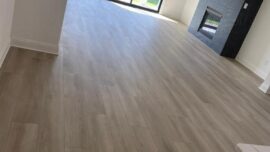
Newly installed porcelain tile flooring in a residential laundry room.
Floor Care, Hardwood Flooring, House Renovation, Laminate Flooring, Tile Flooring, Tips & Tricks, Uncategorized, Vinyl Flooring

Types of Flooring: How to Choose the Right Floor and Installation Method

Types of Flooring: How to Choose the Right Floor and Installation Method

Choosing between the different types of flooring is about more than deciding whether you like hardwood, luxury vinyl plank, laminate, tile, or carpet.

You also need to think about how the floor will be installed.

That decision can affect:

  • How long installation takes
  • How much preparation your existing floor needs
  • How permanent the new floor will be
  • How difficult it will be to remove later
  • Whether your baseboards need to be removed or adjusted
  • Whether door jambs and casings need to be undercut
  • How much the finished floor raises the height of the room
  • How easy individual boards are to repair or replace in the future

Two homeowners can choose floors that look almost identical and end up with very different projects depending on whether those floors are floated, glued, nailed, or installed over a completely removed existing floor. If you are planning a flooring project, it helps to start with two questions:

What type of flooring fits the room?

And:

How permanent do I want this installation to be?

This guide explains both.

What Are the Main Types of Flooring?

Most homeowners shopping for new flooring will encounter several major categories.

Flooring Type Common Uses Common Installation Methods General Character
Luxury vinyl plank or tile Living areas, kitchens, bedrooms and many moisture-prone spaces Floating or glue-down Practical and versatile
Laminate Living rooms, bedrooms, offices and general residential areas Usually floating Budget-conscious and fast
Engineered hardwood Living areas, bedrooms and upscale interiors Floating, glue-down or nail-down depending on product Premium with installation flexibility
Solid hardwood Living areas, bedrooms and long-term homes Usually nail/staple-down; some systems use adhesive assistance Permanent and traditional
Tile Bathrooms, kitchens, entries and other appropriate areas Mortar/thin-set Durable and permanent
Carpet Bedrooms, living spaces and offices Stretch-in or glue-down depending on application Soft and comfortable

The important thing to understand is that flooring type and installation method are not always the same decision.

For example, engineered hardwood may be compatible with floating, glue-down, or nail-down installation depending on the specific product and substrate. With a floating installation, the planks connect to each other instead of attaching directly to the subfloor.”

That flexibility is why homeowners should consider the installation method before buying flooring, not after.

The Four Flooring Installation Approaches Homeowners Should Understand

While installation requirements vary between manufacturers and products, most residential projects can be understood through four broad approaches:

Floating, glue-down, nail-down, and mortar-set installation.

Each works best for a different type of homeowner and project.

1. Floating Flooring: Best for Speed and Future Flexibility

Installers do not fasten a floating floor directly to the subfloor. Instead, the planks connect to each other, commonly through a locking system, and the finished floor rests over the prepared substrate or approved underlayment.

This is common with many laminate and luxury vinyl plank products, as well as certain engineered hardwood floors.

Shaw Endura Plus White Sand laminate flooring installed in a Frisco TX bedroomWho Is a Floating Floor Best For?

Think of floating flooring as the choice for the homeowner who says:

“I want a good-looking floor, I want the project moving quickly, and I am not necessarily married to this house or this exact floor forever.”

That does not mean floating flooring is temporary or low quality. Quality varies enormously between products.

It means the installation itself generally involves fewer permanent attachments to the structure.

If you expect to remodel again, change styles in several years, sell the house, or simply value flexibility, a floating floor can make a lot of sense.

How Fast Is Floating Floor Installation?

Among common plank-flooring methods, floating installation can often be one of the faster options because installers do not have to spread adhesive across the entire floor or mechanically fasten every plank.

Actual project time still depends on factors such as:

  • Furniture removal
  • Existing flooring demolition
  • Floor leveling
  • Moisture conditions
  • Layout complexity
  • Closets and hallways
  • Transitions
  • Baseboard work
  • Product acclimation requirements

The floor may be quick to click together, but preparation still matters.

A fast installation over a poorly prepared substrate is not a good installation.

What Happens If You Want to Replace a Floating Floor Later?

Easier future removal is one of the biggest advantages of a floating floor. Because many floating systems do not attach permanently to the substrate, future remodeling can require less demolition. Still, homeowners should not assume every floating floor can be dismantled and reused.

How Floating Floors Affect Baseboards

Floating floors normally require room around the perimeter for movement according to the flooring manufacturer’s specifications.

That space has to be concealed.

One approach is to remove the existing baseboards before installation and reinstall them over the finished flooring.

Another is to leave the baseboards in place and add an approved trim detail such as shoe molding or quarter round where appropriate.

For homeowners who want the cleanest finished appearance, removing and reinstalling or replacing the baseboards is often worth discussing during the estimate.

What About Door Jambs?

Door jambs and casing are another important detail.

Instead of cutting flooring around a door casing and leaving visible gaps, installers commonly undercut the casing or jamb where appropriate so the new flooring can extend underneath it.

The thickness of the new flooring and underlayment matters.

Changing from a thin existing floor to a thicker flooring system can also reduce clearance beneath doors.

That is why finished floor height needs to be evaluated before installation begins.

2. Glue-Down Flooring: Best for Homeowners Who Want a More Permanent Installation

With glue-down flooring, an approved adhesive attaches the flooring directly to the prepared substrate.

Glue-down installations are common with certain luxury vinyl products and engineered hardwood floors.

Who Is Glue-Down Flooring Best For?

The glue-down homeowner tends to say:

“I plan to keep this floor for a long time, and I want it firmly integrated with the house.”

This is less about speed and more about commitment.

Glue-down floors can provide a firm feel underfoot and may be appropriate for applications where a floating system is not preferred or permitted.

The specific flooring and adhesive must always be compatible with the substrate and manufacturer requirements.

How Fast Is Glue-Down Installation?

Usually, glue-down projects involve more installation steps than a basic floating installation.

The installer may need to:

Prepare and flatten the substrate, address moisture requirements, apply adhesive correctly, maintain the appropriate working time, place the material and follow product-specific curing or traffic instructions.

With wood flooring in particular, adhesive choice and moisture conditions matter. Industry guidance emphasizes matching the adhesive system to the flooring, substrate, and moisture conditions rather than assuming every wood floor can simply be glued down.

The actual installation speed therefore depends heavily on the floor being installed.

What Happens When You Want to Remove It?

Future remodeling deserves extra consideration with glue-down flooring. Removing an adhered floor usually takes more effort than dismantling a floating system and may require scraping, mechanical tools, adhesive removal, and additional substrate preparation.

If you already know you change interior styles frequently, that should be part of your decision.

If you want a floor that feels more permanent and do not expect to replace it anytime soon, the additional commitment may not bother you at all.

How Does Glue-Down Affect Baseboards and Door Jambs?

Baseboard decisions depend primarily on flooring thickness, required perimeter clearances, existing trim and the desired finished appearance.

Door jamb height also needs to be considered.

Even when a floor is directly adhered, adding a thicker flooring system can change the finished elevation enough to affect door clearance and transitions into neighboring rooms.

3. Nail-Down Flooring: Best for the Long-Term Hardwood Homeowner

Nail-down or staple-down installation is strongly associated with hardwood flooring.

The flooring is mechanically fastened to an appropriate wood substrate.

In some applications, particularly with wider wood planks, an installation may combine mechanical fasteners with adhesive according to manufacturer and industry requirements. Current wood-flooring guidance includes nail-down, glue-down, floating, and assisted installation methods rather than treating every hardwood installation the same way.

Who Is Nail-Down Flooring Best For?

This is for the homeowner whose attitude is:

“I love real wood, I expect this floor to stay here, and I am investing in the house long term.”

Traditional hardwood is not usually chosen because someone wants the easiest floor to remove five years later.

It is chosen because the homeowner wants a substantial, long-term flooring system.

How Fast Is Nail-Down Installation?

Nail-down installation can be efficient in the hands of an experienced hardwood crew, but it generally requires more individual fastening than assembling a click-lock floating floor.

Project time also depends heavily on:

Subfloor condition, hardwood acclimation requirements, plank width, room layout, fastening specifications and whether glue assistance is required.

The manufacturer’s installation instructions ultimately determine what fastening system and schedule are appropriate for a particular product.

What Happens If You Change It Later?

Nail-down floors can be removed, but they are not designed around easy future demolition.

Boards have been mechanically attached to the subfloor, so removing them is more labor-intensive than dismantling many floating systems.

That added commitment does not make nail-down flooring inferior—it simply suits a different homeowner. Someone who values permanence may gladly accept more difficult future demolition in exchange for the hardwood installation they want today.

Baseboards and Door Jamb Height

Hardwood thickness makes planning especially important.

If you are replacing a thinner floor with thicker hardwood, installers need to evaluate transitions, doors, baseboards, cabinets and other fixed elements. Adding new flooring on top of an existing floor can increase overall elevation enough to create issues with interior or exterior doors, appliances, cabinets and stairs.

For that reason, the question should not simply be:

“Can we install over this floor?”

A better question is:

“What will the finished floor height be if we do?”

4. Tile and Mortar-Set Flooring: Best for Homeowners Thinking Long Term

Newly installed porcelain tile flooring in a residential laundry room. Tile is a different category from click-together plank flooring.

Ceramic, porcelain, stone and similar materials are typically bonded to a properly prepared surface using an appropriate mortar or setting material.

Who Is Tile Best For?

The tile homeowner usually says:

“I want durability, I am willing to spend more time on installation, and I do not plan to change this floor casually.”

Tile can be an excellent solution in the right room and under the right conditions, but it is not usually the flooring you select because you want the easiest demolition later.

How Fast Is Tile Installation?

Compared with many floating-floor projects, tile is usually more labor intensive.

Installation may involve:

Substrate preparation, layout, cutting, mortar application, setting, curing, grouting, cleanup and transition work.

Patterns, large-format tile, small rooms with many cuts and substrate correction can all increase the project timeline.

What Happens When You Want to Remove Tile?

Tile demolition can be significant.

The tile itself has to be broken or removed, and the underlying setting material may also need to be mechanically removed or flattened before another floor is installed. That makes tile a good example of why homeowners should think about the entire life cycle of the floor, not simply the day it goes in.

Which Flooring Installation Method Matches Your Personality?

Flooring decisions get easier when you stop asking which method is universally “best.”

There is no universally best installation method.

There is a best method for a particular product, substrate, home and homeowner.

Your Personality Installation Direction to Consider Why
“I am in a rush.” Floating Often faster with fewer permanent attachment steps
“I may move in a few years.” Floating Generally offers more future flexibility
“I change my style all the time.” Floating Future removal can be less involved
“This is my long-term house.” Glue-down, nail-down, tile or an appropriate permanent system Future demolition is less important
“I want real hardwood.” Nail-down, glue-down or approved floating engineered hardwood Depends on flooring construction and substrate
“I care about a solid, attached feel.” Glue-down or nail-down where appropriate Flooring is attached to the substrate
“I want the easiest future remodel.” Often floating Usually less attachment to remove
“I want something permanent.” Glue-down, nail-down or tile Designed with a longer-term installation mindset

These are decision-making guidelines, not substitutes for product specifications.

A manufacturer may require one installation method and prohibit another.

The product, substrate, moisture conditions and installation instructions always come first.

How Flooring Installation Speed Really Works

Homeowners often ask:

“How long will it take to install my floor?”

The installation method is only part of the answer.

Consider two identical 1,000-square-foot homes. One has a clean, flat substrate with the furniture already removed. The other has tile that needs demolition, several low and high spots, large furniture, complicated doorways and baseboards that need replacement. Even if both homeowners buy the exact same flooring, those projects will not take the same amount of time.

The biggest variables are often what happens before the first plank goes down.

That includes demolition, substrate preparation, moisture evaluation, leveling or flattening, furniture movement, trim work and layout. When comparing flooring estimates, ask what preparation is included instead of comparing installation speed alone.

Should You Remove the Existing Flooring or Install Over It?

Sometimes a new flooring system can be installed over an existing surface.

That does not automatically mean it should be.

Keeping the existing floor may reduce demolition, but it can create another issue:

height.

Every layer you add raises the finished floor.

That can affect:

  • Door clearance
  • Door jambs
  • Baseboard proportions
  • Transitions between rooms
  • Appliances
  • Cabinets
  • Exterior doors
  • Stair geometry

Industry guidance specifically warns that installing over existing floor coverings changes floor elevation and can create problems around doors, cabinets, appliances and stairs.

This is why demolition should be evaluated as part of the complete flooring system instead of automatically being treated as an expense to avoid. Sometimes removing the old floor gives you a cleaner starting point and better height alignment. In other situations, keeping a suitable existing floor may make sense. The right answer depends on what is already there and what is going on top of it.

How New Flooring Affects Baseboards

Baseboards are one of the most overlooked parts of flooring planning.

There are generally two approaches.

The existing baseboard can remain and an appropriate molding detail can cover the perimeter, or the baseboard can be removed and reinstalled or replaced after the new floor is installed. Removing baseboards can create a cleaner appearance, particularly when homeowners do not want additional quarter round or shoe molding. However, baseboard removal adds labor and may require paint touch-ups or replacement if older trim is damaged during removal.

Floor thickness matters too.

If your old flooring is substantially thicker than your new flooring, removing it may expose paint lines or gaps below existing baseboards. If the new flooring raises the floor significantly, the proportions of the existing baseboard can change visually. Trim planning should therefore happen before demolition starts.

How New Flooring Affects Door Jambs and Door Height

Doorways are another place where floor thickness becomes obvious.

A professional installation should consider how the flooring meets the door casing and jamb—not simply stop the planks nearby and fill the area with caulk.

Where appropriate, casings and jambs may be undercut so flooring can extend underneath them for a cleaner appearance.

The installer also needs to check the door itself.

If the new flooring assembly is thicker than the old one, the bottom of the door may no longer have adequate clearance.

That is especially important when:

Installing flooring over existing flooring, adding thicker underlayment, switching from thin flooring to hardwood or creating transitions between rooms with different flooring heights.

Flooring is not just a two-dimensional surface.

Every flooring project has a finished elevation.

That elevation needs to work with everything already attached to the house.

Think About the Next Flooring Project Before Starting This One

One of the smartest questions you can ask before installing new flooring is:

“What happens when I eventually want to remove this?”

If you are remodeling a starter home, expect to move, or like changing your interiors regularly, a floating system may offer the flexibility you value.

If this is your long-term home and you want a substantial hardwood installation, future demolition may barely matter to you.

If you are installing tile because you expect it to remain for decades, spending more time on substrate preparation and installation makes sense.

There is no wrong personality.

The mistake is choosing a permanent installation when you wanted flexibility—or choosing primarily for speed when you wanted the feel and characteristics of a more permanently attached system.

Floating vs. Glue-Down vs. Nail-Down Flooring

Here is the simplest way to compare the major plank-floor installation methods.

Factor Floating Glue-Down Nail-Down
Attached directly to subfloor? No Yes Yes
Typical installation speed Often faster Moderate Moderate
Future removal Usually easier More difficult More difficult
Commitment level Lower Higher Higher
Substrate preparation important? Yes Yes Yes
Floor height planning important? Yes Yes Yes
Door jamb planning required? Yes Yes Yes
Baseboard/trim planning required? Yes Yes Yes
Common flooring examples LVP, laminate, some engineered hardwood LVP, engineered hardwood Hardwood
Best personality fit Flexible, fast-moving homeowner Long-term homeowner Long-term hardwood homeowner

Remember that these are general comparisons.

Manufacturer requirements should determine the actual installation method used on your floor.

Which Type of Flooring Is Best for Your Home?

Choosing from the many types of flooring becomes easier once you answer a few practical questions.

How long do you expect to keep the floor?

How quickly do you need the project completed?

Are you comfortable with significant demolition the next time you remodel?

Do you want a floating floor or something permanently attached to the structure?

Will the new flooring increase the height of the room?

Should the existing baseboards stay, or would removing and reinstalling them create a better finish?

Will door jambs need to be undercut?

Will doors still open correctly after the finished floor is installed?

These questions can matter just as much as color, plank width and surface texture.

Plan Your Flooring Project With GC Flooring Pros

A good flooring project starts before installation day.

GC Flooring Pros can help you evaluate the flooring material, existing floor, substrate, installation method, transitions, baseboards and doorways together so you understand the complete project before work begins.

Whether you are considering a fast floating-floor installation or a more permanent hardwood, glue-down or tile system, the right choice should fit both your home and the way you plan to use it.

Contact GC Flooring Pros to discuss your flooring project and determine which flooring and installation approach makes the most sense for your space.

Completed upstairs hardwood flooring renovation replacing carpet with Red Oak.
Uncategorized

Hardwood Flooring Frisco TX: When Is the Best Time to Install Hardwood?

When to Install Hardwood Floors in Frisco

If you are considering hardwood flooring in Frisco, TX, choosing the right wood is only part of the decision. You also need to think about when the flooring should be installed, whether solid or engineered hardwood makes more sense for your home, and how your contractor plans to manage moisture before installation.

North Texas homes experience significant changes in temperature and humidity throughout the year. Because hardwood is a natural material, those environmental changes matter. Wood can gain moisture and expand when conditions are humid and lose moisture and contract when conditions become dry. The National Wood Flooring Association recommends maintaining a relatively consistent indoor environment to help minimize excessive movement in wood flooring.

The good news is that you do not necessarily need to wait for one specific season to install hardwood flooring.

A properly conditioned home, properly tested subfloor, appropriate hardwood product, and knowledgeable flooring contractor are generally more important than the month printed on the calendar.

Here is what Frisco homeowners should know before choosing their new hardwood floors.

Bella Cera La Scala engineered hardwood in the Bellini color throughout the living room of this Prosper, TX home

What Is the Best Season to Install Hardwood Flooring in Frisco, TX?

Many homeowners assume spring or fall is automatically the best time for hardwood installation.

Those seasons can certainly be convenient, but there is no universal “hardwood flooring season.”

The more important question is:

Are the conditions inside your home similar to the conditions the hardwood will normally experience after installation?

Wood naturally responds to changes in its surrounding environment. When humidity increases, wood may absorb moisture and expand. When conditions become drier, it can release moisture and contract. According to the National Wood Flooring Association, maintaining consistent indoor temperature and humidity helps reduce excessive seasonal movement.

That is particularly important in North Texas, where outdoor conditions can change dramatically throughout the year.

Installing Hardwood During Spring

Spring can be a convenient time for flooring projects because temperatures are often more moderate than during peak summer.

However, spring can also bring increased rainfall and changing humidity. The National Weather Service’s climatological data for Frisco shows substantial seasonal variation in precipitation, which is another reason contractors should evaluate the actual conditions inside the home rather than relying solely on the season.

Before installation, your contractor should confirm that:

  • The HVAC system is operating under normal living conditions.
  • The hardwood has been stored and prepared according to the manufacturer’s requirements.
  • The subfloor has been evaluated for moisture.
  • The flooring’s moisture condition is appropriate for the installation environment.

Installing Hardwood During Summer

Summer does not automatically mean hardwood installation should be avoided.

Most Frisco homes rely heavily on air conditioning during the hottest part of the year. If the home’s HVAC system is operating normally and indoor conditions are controlled, hardwood can often be installed successfully.

The bigger concern is bringing flooring from an uncontrolled warehouse, garage, trailer, or other environment directly into the house and installing it without following the manufacturer’s installation requirements.

Your contractor should understand how environmental conditions affect the specific product being installed.

Installing Hardwood During Fall

Fall is often a popular remodeling season because temperatures begin to moderate and homeowners may be preparing their houses for the holidays.

From a hardwood perspective, fall can also provide relatively comfortable working conditions.

But again, the calendar does not replace moisture testing.

A professional contractor should evaluate the flooring, subfloor, installation method, and indoor environment before installation begins.

Installing Hardwood During Winter

Hardwood can also be installed during winter.

The primary concern is that heated indoor environments can become drier. When wood loses moisture, boards may shrink, which can contribute to seasonal gaps.

The NWFA explains that wood flooring can naturally expand and contract as humidity changes and recommends maintaining relatively consistent indoor conditions throughout the year.

For Frisco homeowners, that means the best time to install hardwood is when the house is operating under normal living conditions and the installer has verified that the flooring and subfloor are ready.

What Should You Ask a Frisco Hardwood Flooring Contractor?

Choosing your hardwood species and stain color is the fun part.

The questions you ask your flooring contractor may be even more important.

Before hiring someone for hardwood flooring in Frisco, TX, ask how they plan to handle the technical parts of the installation.

1. How Will You Test the Subfloor for Moisture?

This should be one of your first questions. Hardwood installation is not simply a matter of opening boxes and fastening boards to the floor. The contractor should identify what type of subfloor you have and determine what testing and installation procedures apply. This becomes especially important when hardwood is being installed over or near concrete.

Ask your contractor:

“How will you determine whether my subfloor is ready for hardwood?”

You want a specific answer—not simply “we’ve been doing this for years.”

Red Oak hardwood flooring installation throughout a Frisco second floor.

2. Does This Hardwood Need to Acclimate?

You may hear that every hardwood floor needs to sit inside the house for three days, five days, or even two weeks. That is too simplistic. Proper preparation depends on the flooring product, manufacturer instructions, installation environment, wood moisture conditions, and other factors. The NWFA notes that improper acclimation can contribute to unwanted expansion or shrinkage after installation. A qualified contractor should follow the requirements of the product being installed rather than relying on an arbitrary number of days.

3. Do You Recommend Solid or Engineered Hardwood for My Home?

A good flooring contractor should not recommend the same product to every homeowner.

They should consider:

  • Your subfloor
  • Where the hardwood will be installed
  • Your household’s lifestyle
  • Desired plank width
  • Installation method
  • Moisture conditions
  • Desired appearance
  • Long-term maintenance expectations
  • Manufacturer requirements

Sometimes solid hardwood is the better choice. Sometimes engineered hardwood is clearly more practical.

4. How Will You Prepare and Flatten the Subfloor?

Even premium hardwood will not perform as intended over a poorly prepared substrate. Subfloor preparation can influence how the finished floor looks, sounds, and feels underfoot. Ask whether your estimate includes the necessary preparation or whether repairs and leveling work are priced separately.

5. What Installation Method Will You Use?

Depending on the floor, substrate, and manufacturer specifications, hardwood may be:

  • Nail-down
  • Staple-down
  • Glue-down
  • Installed using another manufacturer-approved system

Ask why your contractor recommends a particular method for your home.

6. Who Is Actually Performing the Installation?

Ask whether the crew evaluating the project will also complete the installation or whether the job will be assigned to another crew. You should also understand who is responsible for subfloor preparation, installation, transitions, trim work, cleanup, and final inspection.

Solid Hardwood vs. Engineered Hardwood

One of the biggest decisions Frisco homeowners face is choosing between solid and engineered hardwood.

Both can be real wood flooring.

The National Wood Flooring Association defines wood flooring broadly enough to include both solid and engineered products when real wood forms the top wearable surface.

However, they are constructed differently.

What Is Solid Hardwood?

Solid hardwood flooring is manufactured from a solid piece of wood.

Because the entire board is wood, solid flooring has been a popular choice in homes for generations.

Depending on the product and its remaining wear layer, a solid hardwood floor may offer substantial potential for future sanding and refinishing.

Benefits of Solid Hardwood

Solid hardwood may be appealing if you want:

  • Traditional hardwood construction
  • A floor with long-term refinishing potential
  • The character of a full solid-wood plank
  • Nail-down installation over an appropriate wood subfloor
  • A flooring material that can potentially remain in the home for many years with proper care

Who Is Solid Hardwood Best For?

Solid hardwood can make sense for homeowners who have an appropriate installation environment and prioritize long-term refinishing capability. It may be particularly attractive in traditional homes or projects where maintaining a classic hardwood construction is important. However, solid hardwood is not automatically the best material for every room or every subfloor. Your contractor should evaluate the installation conditions before recommending it.

What Is Engineered Hardwood?

Engineered hardwood is constructed differently.

Instead of being one solid piece of wood from top to bottom, engineered hardwood typically uses multiple layers beneath a real hardwood wear surface. This construction can provide greater dimensional stability than traditional solid hardwood in certain environments. Engineered flooring also provides contractors with additional installation options depending on the specific product.

Benefits of Engineered Hardwood

Engineered hardwood can be a strong option for homeowners who want:

  • Real wood appearance
  • Wider-plank options
  • Greater dimensional stability
  • More flexibility with certain subfloors
  • Installation in locations where solid hardwood may not be the preferred choice
  • Potential glue-down applications when permitted by the manufacturer

Not all engineered hardwood is equal, however. The thickness and construction of the wear layer, core construction, finish quality, milling quality, and manufacturer specifications can vary significantly. That is why comparing engineered floors based only on price per square foot can be misleading.

Who Is Engineered Hardwood Best For?

Engineered hardwood often makes sense for Frisco homeowners who want real hardwood but need additional installation flexibility.

It can be particularly worth discussing when you have:

  • A concrete foundation
  • Wide-plank flooring in mind
  • Areas where dimensional stability is a priority
  • An installation method better suited to engineered construction

Your flooring contractor should evaluate the specific product rather than assuming that every engineered hardwood floor performs the same way.

Hardwood Species: Which Wood Is Right for Your Frisco Home?

After choosing between solid and engineered construction, the next decision is often the hardwood species.

Wood species influence more than color. Different species can have different grain patterns, natural color variation, hardness, character, and responses to stains and finishes. Here are several common options homeowners may encounter.

White Oak

White oak has become especially popular in contemporary and transitional interiors. It typically offers a relatively clean grain structure and works well with natural, light, neutral, and medium-tone finishes. Homeowners who want a modern European-inspired or understated hardwood appearance frequently gravitate toward white oak.

Red Oak

Red oak is a long-established hardwood flooring choice. It generally has more pronounced grain and warmer natural undertones than white oak. It can work particularly well in traditional or transitional interiors and offers a recognizable hardwood appearance.

Hickory

Hickory tends to have noticeable variation between lighter and darker portions of the wood. That natural contrast gives hickory considerably more visual character. It may appeal to homeowners who prefer rustic, farmhouse, or highly varied flooring rather than an extremely uniform appearance.

Maple

Maple generally offers a smoother and more subtle grain pattern.

Its appearance can work well in clean, contemporary spaces. However, different wood species accept stains differently, so homeowners considering a particular stained appearance should examine representative samples rather than assuming every wood can be made to look identical.

Walnut

Walnut is known for its rich brown coloration and distinctive appearance. It can create an elegant, high-end look but is generally softer than several common oak and hickory options. For households concerned about dents and heavy wear, species characteristics should be discussed before selecting flooring based purely on appearance.

Is a Harder Wood Species Always Better?

No.

Hardness is useful information, but it should not become the only factor used to choose hardwood.

A floor’s everyday performance also depends on factors such as:

  • Finish
  • Construction quality
  • Installation quality
  • Maintenance
  • Household activity
  • Pets
  • Furniture
  • Natural wood characteristics

Even a relatively hard hardwood floor can scratch or dent.

A flooring professional should help you balance appearance, performance expectations, lifestyle, and budget instead of simply pointing you toward the hardest available species.

Solid or Engineered Hardwood: Which Should You Choose?

There is no universal winner.

Choose solid hardwood when traditional construction and future refinishing potential are priorities and the installation conditions are appropriate.

Choose engineered hardwood when you want real wood with additional dimensional stability or installation flexibility.

For many Frisco homes, the subfloor and foundation type can play a significant role in that decision. The important thing is to choose the product after evaluating the house rather than deciding based only on a showroom sample.

Do You Need to Worry About Frisco Humidity After Installation?

Your responsibility for the hardwood does not end when the installation crew leaves. Wood remains responsive to its environment throughout its life.

The NWFA recommends keeping homes roughly between 60°F and 80°F and approximately 30% to 50% relative humidity to help limit excessive dimensional changes in wood flooring. Homeowners should also address water spills promptly and avoid allowing standing moisture to remain on hardwood. Consistent climate control can help reduce seasonal expansion, contraction, gapping, and other moisture-related movement.

Choosing Hardwood Flooring in Frisco, TX

The best hardwood floor is not simply the most expensive species or the widest plank in the showroom. It is the floor that fits your home’s construction, your design goals, your lifestyle, and the conditions where it will be installed.

Before making your final decision, compare:

  • Solid versus engineered construction
  • Wood species
  • Plank width
  • Color and finish
  • Subfloor requirements
  • Installation method
  • Moisture considerations
  • Maintenance expectations
  • Long-term refinishing options

Most importantly, work with a flooring contractor who is willing to explain why a particular hardwood product and installation method make sense for your home.

Looking for Hardwood Flooring in Frisco, TX?

If you are planning a hardwood flooring project, GC Flooring Pros can help you compare hardwood options based on your home’s design, installation conditions, and long-term goals.

Whether you are considering classic solid hardwood, wide-plank engineered flooring, white oak, red oak, hickory, or another hardwood style, choosing the right product starts with understanding the home where it will be installed.

Contact GC Flooring Pros to discuss hardwood flooring options for your Frisco-area home and determine which flooring solution makes the most sense for your project.  Ready to start? See our hardwood flooring installation in Frisco.

Hardwood vs Vinyl Flooring Cost: Affordable Options

How Much Cost to Install Hardwood Floor (Hardwood vs. Vinyl Cost Guide)

Many homeowners begin their flooring research by asking one key question: how much cost to install hardwood floor compared to other options like vinyl. Flooring impacts the look, feel, and long-term value of your home, so understanding true cost ranges is essential before making a decision. This guide breaks down hardwood and vinyl pricing so you can confidently budget for your next project.

Understanding Hardwood and Vinyl Flooring Options

Before comparing how much cost to install hardwood floor versus vinyl, it helps to understand what sets these materials apart. Hardwood is a natural, timeless material valued for its beauty and longevity. Vinyl flooring, on the other hand, is synthetic, versatile, and budget-friendly, making it a popular alternative.

Key Differences

  • Material: Hardwood is natural wood; vinyl is a durable synthetic.
  • Design: Hardwood offers unique natural grains; vinyl can mimic wood, stone, or tile.
  • Cost: Hardwood is generally more expensive; vinyl is more budget-conscious.

Material Costs: Hardwood vs. Vinyl Flooring

One of the biggest factors in determining how much cost to install hardwood floor is the material itself. Hardwood flooring typically ranges from $6–$12 per sq. ft. depending on species (oak, maple, hickory, exotic woods, etc.). Premium options or wide planks may cost even more.

Vinyl flooring remains the more affordable choice, usually $2–$7 per sq. ft. Luxury vinyl products (LVP, LVT) may reach the higher end of that range but still cost less than hardwood.

Cost Comparison

  • Hardwood: $6–$12 per sq. ft.
  • Vinyl: $2–$7 per sq. ft.

Vinyl clearly provides cost savings upfront, but hardwood adds long-term value and can increase home resale appeal.

For homeowners wanting general industry averages, HomeAdvisor provides helpful ranges.

how much cost to install hardwood floor

Installation Costs and Process

Installation plays a major role in determining how much cost to install hardwood floor. Hardwood installation is labor-intensive and requires professional expertise, which increases final pricing. Depending on complexity, installation averages $4–$8 per sq. ft.

Vinyl installation is simpler—often using glue-down or click-lock systems—bringing costs down to $1–$3 per sq. ft.

Important Installation Notes

  • Hardwood: Skilled labor required; higher cost and longer installation timeline.
  • Vinyl: Faster installation, lower labor cost.

Maintenance and Long-Term Costs

Maintenance also influences how much cost to install hardwood floor over its lifetime. Hardwood may require refinishing every 7–10 years depending on wear, which can cost anywhere from $3–$7 per sq. ft.

Vinyl requires minimal upkeep—routine sweeping and mopping usually suffice. There is no refinishing, and damaged planks must be replaced, but overall long-term care is affordable.

Maintenance Breakdown

  • Hardwood: Occasional refinishing, periodic polishing.
  • Vinyl: Low-maintenance, water-resistant.

Durability and Lifespan

Hardwood is prized for its longevity—well-maintained hardwood can last 30 years or more, making the investment worthwhile. Vinyl typically lasts 10–20 years, depending on thickness and quality.

Lifespan Highlights

  • Hardwood: Extremely durable; can be refinished multiple times.
  • Vinyl: Durable for everyday use but not refinishable.

Aesthetic Appeal and Design Options

Hardwood offers unmatched natural beauty and warm tones that elevate any room. Vinyl flooring provides excellent design versatility, including wood-look and stone-look options at a fraction of the cost.

Design Features

  • Hardwood: Natural texture, premium appearance.
  • Vinyl: Wide range of colors and patterns.

Environmental Impact

Hardwood sourced responsibly can be an eco-friendly choice due to its renewable nature. Vinyl is synthetic and petroleum-based, but today’s low-VOC vinyl provides safer indoor air quality than older versions.

Eco-Friendly Considerations

  • Hardwood: Renewable, sustainable when sourced properly.
  • Vinyl: Low-VOC options available.

Room Suitability and Lifestyle Needs

Hardwood works beautifully in living rooms, bedrooms, and hallways. Vinyl excels in moisture-prone spaces like kitchens, bathrooms, and basements. Your lifestyle and room usage should guide the decision.

Where Each Works Best

  • Hardwood: Best in dry rooms where longevity matters.
  • Vinyl: Best in kitchens, baths, laundry, and basements.

How Much Cost to Install Hardwood Floor? Final Comparison

If you’re trying to determine how much cost to install hardwood floor versus vinyl, consider the full picture—materials, installation, maintenance, durability, and long-term value. Hardwood costs more upfront but offers long-lasting beauty and resale benefits. Vinyl remains a top choice for affordability and practicality.

Key Takeaways

  • Hardwood has higher initial costs but exceptional longevity.
  • Vinyl is budget-friendly with low installation and maintenance costs.
  • Your choice should reflect lifestyle, room type, and long-term plans.

Choosing the Best Flooring for Your Budget

When comparing flooring choices, remember that how much cost to install hardwood floor depends on material grade, installation complexity, and long-term care. Both hardwood and vinyl offer excellent solutions depending on your needs.

For more detailed guidance, visit our Hardwood Flooring page for expert insights and product options.

Ready to Upgrade Your Home?

Schedule a free in-house estimate today and let our team help you choose the right flooring solution for your home.

Request an In-House Estimate

A Simple Guide to Carpet Padding and Why Your Home Needs It

A Simple Guide to Carpet Padding and Why Your Home Needs It

Carpet padding is one of the most important parts of a carpet installation, even though it stays hidden under the surface. Many homeowners focus on the color, style, or softness of the carpet itself, but carpet padding is what creates most of the comfort under your feet. When you know how carpet padding works and why it matters, it becomes easier to choose the right materials for your home.

Why Carpet Padding Is Necessary

The main role of carpet padding is to act as a cushion between the carpet and the floor. This cushion helps soften each step, protects the backing of the carpet, and helps reduce stress on the fibers. Without dependable carpet padding, the carpet would flatten quickly, show wear sooner, and feel much less comfortable.

Good carpet padding also helps with sound control. It absorbs noise so footsteps do not echo or travel through the floor as much. This makes bedrooms, living rooms, and upstairs spaces feel calmer and quieter. Another benefit is insulation. The cushion layer adds warmth and helps keep floors from feeling cold, especially in winter.

How Carpet Padding Wears Out Over Time

All materials break down with age, and carpet padding is no different. Daily foot traffic slowly flattens the cushion, even in homes without heavy use. Once the padding becomes compressed, it no longer supports the carpet. You may begin to notice soft spots, crunching sounds, uneven areas, or wrinkles. These early signs often mean the cushion layer has reached the end of its lifespan.

Moisture can also damage the material. Spills, pet accidents, or water from cleaning can soak into the cushion. When moisture reaches the lower layers, odors may stay trapped even after cleaning. In those cases, replacing the worn material is usually the best solution.

How Long Carpet Padding Usually Lasts

The chart below shows the typical lifespan of different types of carpet padding. The actual life depends on traffic levels, room use, and the quality of the carpet placed over it.

Type of Carpet Padding Typical Lifespan Notes
Rebond Padding 8–12 years Common, budget-friendly choice made from recycled foam.
Memory Foam Padding 10–15 years Soft feel with strong comfort for bedrooms.
Rubber Padding 15–20 years Very durable and stable in high-traffic spaces.
High-Traffic Areas Shorter lifespan Pressure causes cushion layers to break down faster.
Low-Traffic Areas Longer lifespan Less daily wear extends performance.

What Rebond Is Made Of

Rebond is one of the most widely used materials in homes. This type of carpet padding is created from pieces of recycled foam that are blended and bonded together. The mixed colors you see inside the cushion come from different types of foam scraps. This gives the material a firm and springy feel while keeping the cost affordable.

Rebond cushions come in a range of densities, usually measured in pounds. A higher pound rating means the material is firmer and more supportive. Many homes use an 8-pound cushion, but some choose a thicker version for rooms that need more comfort.

Why Density and Thickness Matter

The density of carpet padding affects how much support the carpet receives. Higher density helps the floor feel more stable and keeps the carpet fibers from crushing. Thickness also plays a role, but thicker is not always better. Some carpet styles are designed to work with a firmer and slightly thinner cushion to prevent movement or stretching.

In general, plush carpets work well with softer cushion layers, while looped styles do better with firm support. Your flooring professional can help guide the right pairing for your space.

What Happens if You Skip Carpet Padding

If you install carpet without the right cushion layer, it will not last long. The fibers will wear out faster because they take all the pressure from footsteps. The carpet may also slide or wrinkle because there is no support holding it in place. Rooms will feel noisier and colder, and the carpet may lose its shape within a short time.

Using proper carpet padding is one of the best ways to protect your flooring investment and make sure your home feels comfortable.

Internal and External Resources

For homeowners comparing premium options such as Napa or Coronado, here is a helpful internal resource: Napa vs. Coronado Carpet Padding Comparison. This guide explains how different cushion types perform and which rooms they work best in.

For industry standards, the Carpet and Rug Institute also provides guidance on cushion recommendations. You can view their information here: Carpet & Rug Institute.

Frequently Asked Questions

Can I reuse my current carpet pad?

Most professionals do not recommend reusing older material. Over time, it breaks down and becomes uneven, which can shorten the life of your new carpet.

Does thicker cushion always mean more comfort?

Not always. Some carpets need firm support to stay stable and avoid stretching.

How can I tell when my cushion layer needs replacing?

Signs include soft spots, ripples, bad odors, or a crunching sound when you walk across the floor.

Is the cushion layer important for sound control?

Yes. A quality base layer helps absorb noise and makes rooms feel quieter.

What type works best for rooms with pets?

Moisture-resistant options help prevent odors and protect your flooring.

Final Thoughts

Choosing the right carpet padding makes your home feel softer, quieter, and more comfortable. It also helps your carpet last longer and look better. When you understand how carpet padding works, what it is made of, and when it should be replaced, you can make confident decisions and keep your floors performing well for many years.

Ready to Upgrade Your Home?

Schedule a free in-house estimate today and let our team help you choose the right flooring solution for your home.

Request an In-House Estimate

Carpet rolling over carpet pad
About Floors, Carpet Flooring, Floor Care, Uncategorized

Carpet Pad Guide: Types, Benefits, and How to Choose

The Complete Carpet Pad Guide for Your Home

A carpet pad plays a major role in how your carpet feels, how long it lasts, and how well it performs. Many people focus only on carpet style or color, but the layer underneath matters just as much. In this guide, we explain what a carpet pad does, why it helps protect your carpet, and how to choose the best one for your home. We also compare popular options such as Napa, Coronado, SmartCushion, and rebond choices.

What a Carpet Pad Does and Why It Matters

A carpet pad sits between the carpet and the floor. Its purpose is simple: add comfort, reduce wear, and support the carpet backing. When you step on carpet, most of the softness you feel comes from the carpet pad. It absorbs impact and helps slow down damage to the carpet fibers.

This cushion layer also reduces sound between floors and helps the home feel quieter. Some versions include moisture protection or antimicrobial features. These details help prevent odors, slow mildew growth, and keep your home healthier. Without a strong carpet pad, even a high-quality carpet may wear out faster.

Important Features to Compare

Each type of carpet pad has features that affect comfort and durability. Here are the most important details to understand:

  • Thickness: Most options range from 0.30 to 0.50 inches. Thicker feels softer but may not be right for high-traffic areas.
  • Density: Higher density means better support and longer life.
  • Moisture Barriers: Helpful for families with pets or kids.
  • Antimicrobial Properties: Designed to help reduce odors and moisture issues.
  • Air Quality Certifications: These show the material is safe for indoor use.

When you understand these features, comparing each carpet pad becomes much easier.

Carpet Pad Guide for Your Home

Types of Carpet Pads and Their Benefits

This guide highlights four well-known options: premium foam, rubber, memory foam, and rebond. Each one supports carpet in a different way and is meant for specific needs.

Leggett & Platt Napa

The Napa option is a premium foam cushion known for comfort and high performance. It includes top and bottom moisture barriers plus antimicrobial protection. This makes it a strong choice for bedrooms, living rooms, and quiet spaces where softness matters.

Its thick support layer helps reduce sound and improves comfort under many carpet styles. For more details on how Napa compares to Coronado, you can read our earlier post about the Napa and Coronado carpet pads.

Leggett & Platt Coronado

Coronado is a durable rubber option built for strength and long life. Rubber pads stay firm, resist crushing, and hold their shape well. It includes antimicrobial features and a spill barrier, making it a reliable choice for busy areas.

This cushion works well on stairs, hallways, and high-traffic rooms. It also handles heat from radiant flooring, which makes it a great fit for homes with heated systems.

Mohawk SmartCushion

SmartCushion is a memory foam layer designed for comfort and support. It includes a moisture barrier and is certified for good indoor air quality. Many families choose it because it performs well in homes with pets and children.

Its soft feel makes it ideal for bedrooms, playrooms, and family spaces. You can view the full product specs here:
Mohawk SmartCushion Specifications.

Rebond Cushion

Rebond is made from recycled foam pieces and offers an affordable, reliable choice. It comes in many thickness and density options, so homeowners can balance comfort and price easily. While it may not offer the same luxury feel as premium materials, it works well in rental homes, guest rooms, and medium-traffic areas.

Carpet Pad Comparison Chart

The chart below compares all options so you can see the differences at a glance and choose the right carpet pad more easily.

Carpet Pad Type Material Comfort Level Durability Moisture Protection Best Use Cost Range
Leggett & Platt Napa Premium Foam Very High High Top + Bottom Moisture Barrier Bedrooms, living rooms, quiet spaces $$$$
Leggett & Platt Coronado Rubber High Very High Spill Barrier + Antimicrobial Stairs, hallways, high-traffic areas, radiant heat $$$
Mohawk SmartCushion Memory Foam Very High Moderate to High Moisture Barrier Homes with pets, family rooms, playrooms $$–$$$
Rebond Pad Recycled Foam Pieces Moderate Moderate Varies by model Rentals, guest rooms, low to medium traffic $–$$

Which Option Works Best for Your Carpet?

Choosing the right carpet pad depends on carpet type, room use, and how much comfort you want. Here is a simple guide:

  • Plush, soft carpet: Napa or Coronado works best for support and comfort.
  • High-traffic areas: Coronado offers the strongest durability.
  • Homes with pets: SmartCushion helps with spills and odors.
  • Rental or budget rooms: Rebond is dependable and affordable.
  • Moisture-prone rooms: Napa or SmartCushion with moisture protection is ideal.
  • Heated floors: Coronado works well with radiant systems.

Frequently Asked Questions

Is a carpet pad necessary?

Yes. A carpet pad protects the carpet backing, adds comfort, and helps the carpet last longer.

How thick should it be?

Most options work best between 0.30 and 0.50 inches. The right thickness depends on your carpet type and room use.

What is the best choice for stairs?

Coronado is a strong pick because it holds its shape and resists crushing.

Do I need moisture protection?

It helps in homes with pets, kids, or rooms where spills may happen.

What is the most budget-friendly option?

Rebond is usually the most affordable choice.

Final Thoughts

A carpet pad affects comfort, noise, and carpet life. When you choose the right one, you improve both performance and value. Whether you want luxury comfort, strong durability, pet-friendly protection, or a budget option, the right carpet pad can make a big difference throughout your home.

Ready to Upgrade Your Home?

Schedule a free in-house estimate today and let our team help you choose the right flooring solution for your home.

Request an In-House Estimate

fall trends
Blog, Uncategorized

Fall Flooring Trends

New Flooring Ideas: Modern Styles and Timeless Materials for Every Home

New flooring ideas for modern homes including luxury vinyl plank and engineered hardwood

If you’re planning a renovation or simply craving an update, choosing the right flooring can completely transform your home’s look and feel. The best new flooring ideas combine style, comfort, and durability—without sacrificing easy maintenance. Whether you’re updating a kitchen, bathroom, or living area, here’s a guide to 2025’s top flooring styles and innovations.

1. Waterproof Luxury Vinyl Plank (LVP)

Luxury Vinyl Plank continues to dominate as one of the most versatile and affordable flooring options. It mimics natural hardwood with high-definition textures and matte finishes—yet resists moisture, scratches, and fading.

Why Homeowners Love It

  • 100% waterproof and ideal for kitchens, bathrooms, and basements.
  • Soft underfoot feel with acoustic underlayment options.
  • DIY-friendly click-lock installation system.

Explore our Luxury Vinyl Plank collection for realistic wood textures that fit any budget or interior style.

2. Engineered Hardwood with Wide Planks

For those who crave the elegance of real wood without the maintenance demands, engineered hardwood remains a top contender. Modern wide-plank flooring (7”–9” widths) showcases more of the wood’s grain while creating a clean, expansive feel in open-concept spaces.

Why It’s Trending

  • Stable core construction allows installation in varying humidity levels.
  • Compatible with radiant heat systems.
  • Available in oak, hickory, maple, and European white oak finishes.

Browse our engineered hardwood options for inspiration.

3. Porcelain Tile with Natural Textures

Large-format porcelain tile continues to gain popularity for both indoor and outdoor projects. It delivers the organic beauty of natural stone or wood grain with exceptional durability and easy maintenance.

Why It’s a Smart Choice

  • Resistant to water, stains, and fading.
  • Perfect for high-moisture spaces and open-plan living areas.
  • Now available in matte, textured, and stone-look finishes.

See examples of our tile flooring installations for modern design inspiration.

4. Hybrid Flooring

Combining the comfort of vinyl and the strength of laminate, hybrid flooring is one of the newest innovations in the industry. It offers the best of both worlds—scratch-resistant, waterproof, and highly realistic visuals.

Best For

  • Busy families and pet owners seeking long-term performance.
  • Areas prone to temperature and humidity swings.

Hybrid floors are available in a range of tones from coastal oak to dark espresso, complementing any design palette.

5. Patterned & Textured Carpets

Carpet is making a strong comeback in 2025, especially in bedrooms and media spaces. Textured and patterned carpets add dimension and luxury while maintaining practicality with modern stain-resistant fibers.

Popular Styles

  • Frieze and textured carpets for durability.
  • Geometric and tone-on-tone patterns for subtle sophistication.
  • Eco-friendly options made from recycled nylon or PET fibers.

6. Sustainable Flooring Materials

Eco-conscious homeowners are increasingly opting for renewable and recycled flooring options. Bamboo, cork, and reclaimed wood bring sustainability and natural charm into modern interiors.

Benefits

  • Rapidly renewable or recycled materials with low VOC finishes.
  • Warm, natural aesthetic that pairs with biophilic design trends.

Interested in sustainable materials? Ask about our green-certified product lines available through local suppliers in North Texas.

2025 Flooring Design Trends

  • Warm Neutrals: Greige, caramel, and honey oak tones are replacing cooler grays.
  • Matte Finishes: Softer sheen hides dust and footprints while adding sophistication.
  • Mixed Materials: Combine hardwood with tile transitions or inlays for definition.
  • Herringbone & Chevron Patterns: Back in style for both modern and traditional homes.

Ready to Explore New Flooring Ideas?

From cozy carpet textures to ultra-durable waterproof planks, our team can help you bring your new flooring ideas to life. Schedule an in-home consultation today or visit our showroom in Frisco to see samples in person.

GC Flooring Pros offers expert installation, design guidance, and top-quality materials—helping you make a choice that’s stylish, practical, and long-lasting.