News

Vinyl Flooring…What’s the Draw?


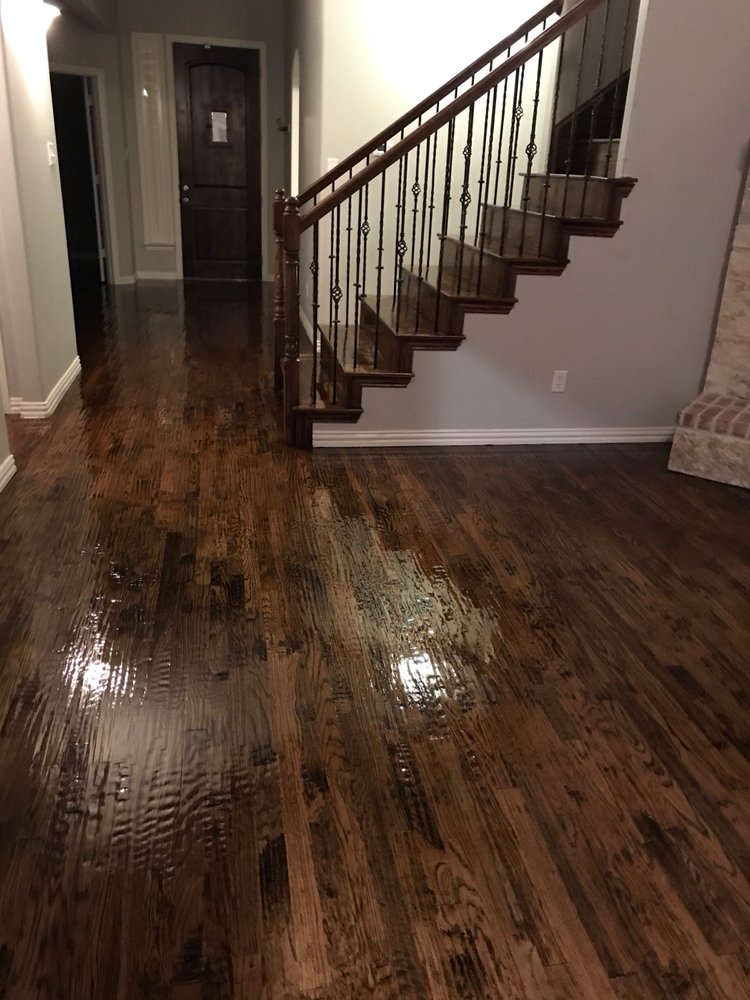
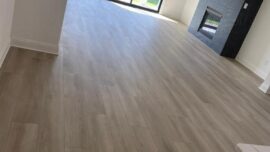
luxury vinyl plank flooring in hand-scraped wood style

Luxury vinyl plank flooring (LVP) has quickly become one of the most popular flooring choices for homeowners seeking durability, beauty, and long-term value. With its realistic wood textures, waterproof construction, and budget-friendly pricing, LVP is ideal for any room—from living rooms and bedrooms to kitchens and basements.

If you love the look of hardwood but want something more resistant to moisture, pets, and daily wear, luxury vinyl plank flooring is an excellent option. Below, we break down what makes this product so appealing and how GC Flooring Pros can help you choose the perfect style for your home.

What Is Luxury Vinyl Plank Flooring?

Luxury vinyl plank flooring is an engineered flooring material designed to mimic the appearance and texture of real hardwood. Each plank includes multiple layers for stability, waterproofing, and comfort underfoot.

  • High-resolution wood-look visuals
  • Scratch-resistant wear layer
  • Rigid or flexible core (depending on product line)
  • Waterproof or highly water-resistant construction
  • Comfortable, quiet underfoot feel

Because it delivers the charm of wood without the maintenance headaches, LVP flooring is perfect for North Texas homeowners who want style + practicality.

Why Homeowners Love Luxury Vinyl Plank Flooring

✔ Waterproof & Pet-Friendly

LVP is fully waterproof (or highly water-resistant depending on brand), making it ideal for kitchens, bathrooms, laundry rooms, and homes with pets.

✔ Extremely Durable

The thick wear layer protects against scratches, dents, spills, and heavy foot traffic—perfect for families with kids or active lifestyles.

✔ Looks Just Like Real Wood

Thanks to modern printing technology, luxury vinyl plank flooring offers incredibly realistic wood textures including hand-scraped, wire-brushed, and matte finishes.

✔ Comfortable & Quiet

LVP often includes an attached pad or underlayment, offering a softer and quieter step compared to traditional wood or tile.

✔ Budget-Friendly Installation

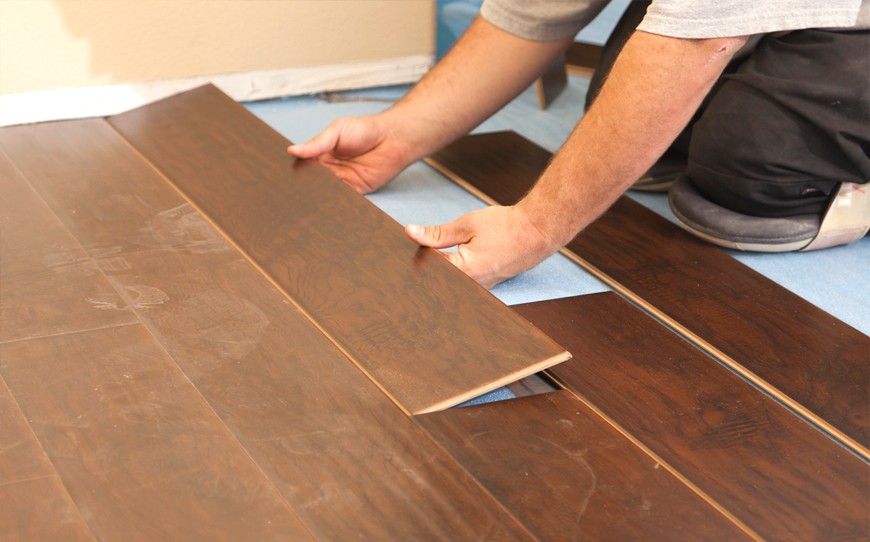
LVP is more affordable than hardwood and can often be installed faster with click-lock or glue-down systems. It provides a custom designer look without the designer price.

Hand-Scraped Look in Luxury Vinyl Plank

If you love the rustic, textured feel of hand scraped hardwood, many LVP collections feature this same character—with lower cost and less maintenance. You can enjoy:

  • Soft ridges and realistic grain
  • Warm, organic texture
  • Rich tones and handcrafted appearance

These collections bring depth and personality to any room without the worry of scratches, moisture damage, or refinishing.

Luxury Vinyl Plank vs. Hardwood

While hardwood delivers unmatched natural beauty, luxury vinyl plank flooring offers advantages that matter to many modern homeowners:

  • LVP: Waterproof, scratch-resistant, affordable, easy to maintain
  • Hardwood: Natural beauty, long-term refinishing, higher cost

Choosing the right flooring depends on your lifestyle, budget, and the rooms you’re updating.

A Stylish & Practical Upgrade for Every Home

Whether you love farmhouse, modern, transitional, or rustic designs, luxury vinyl plank flooring offers endless options in color, texture, and pattern. It’s one of the most flexible flooring solutions available today.

Professional Help Choosing & Installing LVP Flooring

At GC Flooring Pros, we help you compare luxury vinyl plank flooring styles, understand durability ratings, and explore waterproof options. Our team manages every detail—from selection to professional installation.

We’ll help you find the perfect LVP floor that matches your home’s style, your lifestyle needs, and your budget.

Schedule your free in-home estimate and discover the best luxury vinyl plank flooring options for your home today!

GC Flooring Pros, choosing home floring
Blog, How-to, Interior Design, Tips & Tricks

Choosing The Right Floor For Your Home

Home Flooring: A Complete Guide to Choosing the Right Floor for Your Home

Choosing the perfect home flooring is one of the most important design decisions you’ll make as a homeowner. Your floors influence the look, feel, comfort, and long-term value of your home. From durability and maintenance to style and budget, several factors play a role in determining which flooring type is best for your lifestyle.

This comprehensive guide walks you through everything you need to consider when selecting new home flooring—whether you’re renovating, building, or simply updating a single room. Our goal is to help you make a confident, informed choice that supports both your design vision and daily needs.

Start With Lifestyle Needs and Daily Habits

Before choosing any material, take a step back and evaluate how you use your home. Your flooring must support the way you live, not the other way around. Here are key questions to guide you:

  • How much traffic will the space get? Entryways, hallways, kitchens, and living rooms need more durable flooring.
  • Do you have children? If you have younger kids, look for resistant, easy-clean options like LVP or laminate.
  • Do you have pets? Claw marks, water bowls, and shedding can affect flooring choices.
  • Will the floors frequently get wet? Bathrooms, laundry rooms, and kitchens need waterproof or highly water-resistant options.
  • How much maintenance are you willing to do? Some floors require refinishing, polishing, or frequent cleaning.
  • What’s your design style? Modern, rustic, classic, or transitional styles pair better with different flooring types.
  • What’s your overall budget? Consider materials, installation, disposal, trims, transitions, and floor preparation.

Understanding the daily realities of your household will help narrow down the most suitable home flooring materials early in the process.

Comparing Popular Home Flooring Options

There is no single “best” flooring that works for every home. Each flooring type offers unique strengths and limitations. Below is a breakdown of the most popular home flooring choices and who they’re best suited for.

1. Luxury Vinyl Plank (LVP)

One of today’s top flooring trends, LVP mimics the look of hardwood while offering exceptional durability. It’s waterproof, scratch-resistant, and ideal for busy homes with kids or pets.

Best For:

  • High-traffic areas
  • Kitchens and bathrooms
  • Pet-friendly homes
  • Low-maintenance lifestyles

2. Laminate Flooring

Laminate flooring combines eye-catching style with affordability. Modern laminate options are durable, stain-resistant, and come in realistic wood visuals.

Best For:

  • Budget-conscious homeowners
  • Living rooms, bedrooms, and hallways
  • Homes wanting a wood look without the high price tag

3. Hardwood Flooring

Hardwood remains one of the most desirable home flooring options for its timeless appearance and long-term durability. It adds value, elegance, and warmth to your home.

Best For:

  • Open-concept spaces
  • Living rooms and bedrooms
  • Homes seeking high resale value

If you’re considering hardwood, the National Wood Flooring Association provides excellent information on care, installation, and species selection.

4. Tile Flooring

Tile is one of the most durable and waterproof home flooring choices. It withstands heavy use and comes in countless styles, including stone, porcelain, and ceramic.

Best For:

  • Bathrooms, kitchens, and laundry rooms
  • Hot climates
  • Homes needing long-term durability

5. Carpet

Carpet remains a comfortable and cozy option for bedrooms and family spaces. It provides warmth, noise reduction, and comfort underfoot.

Best For:

  • Bedrooms
  • Home offices
  • Playrooms and movie rooms

Important Factors to Consider When Selecting Home Flooring

Now that you’ve explored the main flooring types, here are key factors that influence which option will work best in your home.

Durability

Durability is essential, especially in busy homes. Harder woods like hickory and oak perform better than softer pine. LVP and tile are ideal when maximum durability is needed.

Water Resistance

Moisture is one of the biggest threats to flooring. Bathrooms, kitchens, and laundry rooms require water-resistant or waterproof materials such as tile or LVP.

Comfort and Noise

If comfort is a priority, carpet and cork offer soft, quiet surfaces. Harder surfaces like tile and hardwood can be paired with rugs for added comfort.

Maintenance

Consider how much effort you want to put into maintenance. Hardwood may require refinishing, while LVP and laminate only need light cleaning.

Budget

Your budget should include more than materials. Consider:

  • Subfloor preparation (leveling, moisture testing)
  • Trim and baseboard replacement
  • Furniture moving
  • Demolition and disposal
  • Installation labor

A comprehensive estimate helps avoid surprises later.

Design Tips When Choosing Home Flooring

Flooring plays a major role in the overall design of your home. Consider these style tips:

  • Color: Mid-tone flooring hides dust and pet hair better than very light or dark colors.
  • Texture: Wire-brushed and matte finishes hide scratches more effectively.
  • Plank width: Wide planks make rooms feel larger and more modern.
  • Consistency: Use similar flooring in connected spaces to create visual flow.
  • Pattern: Herringbone or chevron add elegance in entryways or dining areas.

Where to Get Help Choosing Home Flooring

If you’re unsure which direction to go, don’t worry—professional guidance can help simplify the process. For expert recommendations, material comparisons, and installation support, visit GC Flooring Pros.

Our trained team can walk you through samples, durability ratings, water-resistance levels, and design options to help you choose the right floor for your home.

FAQ: Choosing the Right Home Flooring

What is the most durable home flooring?

LVP and tile are the most durable options for busy households. For hardwood lovers, hickory and oak offer excellent strength.

Which flooring is easiest to maintain?

LVP and laminate require the least maintenance. Hardwood needs more care but offers a long lifespan.

What is the best flooring for homes with pets?

LVP is the top choice for pet-friendly homes due to its scratch resistance and waterproof nature.

Can I mix flooring types in my home?

Yes, but keeping similar colors and styles creates a cohesive look. Use transitions to unify spaces.

Choosing the right home flooring is about balancing beauty, durability, and functionality. With the right guidance—and a clear understanding of your lifestyle—you can select flooring that elevates your home for years to come.

GC Flooring Pros
About Floors, Blog, Tips & Tricks

Water Damaged Floors

Water Damaged Floors: Should You Repair or Replace Them?

Water damage can turn your flooring into a costly, stressful problem—but it doesn’t have to be. Whether the cause is a leak, spill, appliance failure, high humidity, or flooding, water damaged floors require quick action and expert evaluation. The faster you respond, the more likely you are to minimize structural damage and protect your home.

In this guide, we’ll break down what water damage does to flooring, the red flags to watch for, what you can salvage, and when replacement is the safest option. Our goal is to help you make an informed, stress-free decision.

How Water Damages Wood Flooring

Wood is an organic, porous material—meaning it naturally absorbs water. Even small amounts of moisture can lead to noticeable changes. When wood flooring is exposed to excess moisture, the planks swell, warp, or cup. If water sits long enough, it can also seep between boards and into the subfloor.

The most common sources of water-related damage include:

  • Leaking refrigerators, dishwashers, or washing machines
  • Broken pipes or plumbing issues
  • AC condensation or humidity buildup
  • Roof leaks dripping onto floors
  • Flooding from storms or foundation issues

Because moisture affects both the floor surface and what’s underneath, it is crucial to assess the full extent of the damage—not just what you see on top.

Common Signs of Water Damaged Floors

The symptoms aren’t always immediate. Sometimes water sits unnoticed under the flooring for days or weeks before changes appear. Here are the top warning signs that indicate possible water damage:

  • Cupping or Buckling: Boards curl upward or lift completely.
  • Musty Odors: A damp smell indicates trapped moisture or early mold growth.
  • Discoloration: Dark spots, stains, or fading in certain areas.
  • Nails Popping Out: Fasteners rise as wood expands or shifts.
  • Sagging Floors: Subfloor moisture may be compromising the foundation.

If you identify any of these symptoms, it’s important to act quickly. Water damage won’t fix itself—it only spreads and worsens.

For comparison, the EPA warns that moisture trapped in building materials can lead to mold growth within 24–48 hours. This makes evaluation especially critical.

Should You Repair or Replace Water Damaged Floors?

The right solution depends on several factors: the type of flooring, how long the moisture remained, how deep the water penetrated, and the condition of the subfloor. Here’s how to determine what you’re dealing with.

When Repair May Be Possible

Repairs are sometimes an option if the water exposure was minimal or caught early. Floors exposed for less than 24–48 hours may be salvageable, depending on the material.

Repairs may be possible if:

  • Only a small section is affected
  • No mold is present
  • The subfloor remains dry and intact
  • The planks show mild cupping or slight swelling

If you have engineered hardwood, repairs can be more difficult because the top veneer layer is thinner. Solid hardwood is more forgiving and can sometimes be sanded and refinished after drying.

When Replacement Is Necessary

Severe water exposure typically requires full replacement. This is especially true after flooding, plumbing failures, or long-term leaks.

Replacement is recommended if:

  • The wood is buckling or lifting from the subfloor
  • There is mold under or between boards
  • The subfloor is soft, sagging, or warped
  • The damage covers a large area of the home
  • The boards have permanent stains, rot, or structural decay

If replacement is needed, it’s important to ensure the source of the moisture is fully resolved before installing new floors. Otherwise, the damage will eventually return.

Why Quick Professional Assessment Matters

Water damage spreads silently. Even if the surface looks dry, the layers underneath may still be soaked. A professional assessment ensures that hidden moisture pockets, mold risks, and subfloor issues are identified before repairs begin.

At GC Flooring Pros, we evaluate:

  • Floor moisture content using specialized meters
  • Subfloor stability and saturation levels
  • Signs of mold or microbial growth
  • Damage pattern and exact source of the water
  • Whether repair or replacement is the most cost-effective option

Never rely on visual inspection alone. Even a floor that looks fine can be structurally unsafe underneath.

What to Do While You Wait for Help

If you suspect you have water damaged floors, here are immediate steps to take before professionals arrive:

  • Stop the water source if possible.
  • Remove wet rugs, mats, or furniture sitting on damp areas.
  • Run fans or a dehumidifier to reduce moisture levels.
  • Avoid walking on buckled or sagging floors.
  • Do not attempt DIY removal—it may expose mold spores.

If needed, photograph the damage for insurance documentation.

Get Expert Help for Water Damaged Floors

If you’re unsure whether your water damaged floors need repair or full replacement, the safest next step is a professional inspection. Quick action saves money, prevents further damage, and protects your home’s structure.

Call the GC Flooring Pros team at 214-814-1177 or schedule your evaluation online. We’ll assess the damage, explain your options, and guide you through repair or replacement with zero stress.

Ready to restore your home after water damage? Request your Free In-Home Estimate with GC Flooring Pros and let our experts bring your floors back to life.

Quality Flooring in Frisco TX
About Floors, Blog, Carpet Flooring, Tips & Tricks

Choosing the right floor for elderly

Quality Flooring in Frisco TX: Senior-Friendly Options for Safety, Comfort, and Easy Care

Aging changes how we move, see, and clean—so the floors we live on should change with us. If you’re searching for Quality Flooring in Frisco TX for an aging parent, a loved one, or for aging-in-place, this guide explains which materials improve safety, reduce upkeep, and keep homes warm and welcoming. Below you’ll find the pros and cons of carpet, vinyl, and cork, plus practical tips to make any floor safer and easier to live with.

What Seniors Need from Home Flooring

  • Cushion & shock absorption: Softer surfaces reduce impact on joints and help during slips or falls.
  • Slip resistance: Textured, matte finishes and secure transitions lower the risk of falls.
  • Low maintenance: Smooth, stain-resistant surfaces simplify cleaning with minimal bending or heavy equipment.
  • Good indoor air quality (IAQ): Materials and pads that trap fewer allergens and are low-VOC help sensitive lungs.
  • Thermal & acoustic comfort: Floors that feel warm underfoot and dampen noise create calmer spaces.

Quick Comparison: Best Senior-Friendly Flooring

Floor Type Comfort/Cushion Slip Resistance Cleaning & Care Best Rooms
Carpet Excellent (soft, padded) High (low-pile, dense) Moderate (vacuuming; spot care) Bedrooms, living rooms, halls
Luxury Vinyl (LVP/LVT) Good (with pad) High (matte/textured wear layer) Easy (sweep, damp mop) Kitchens, entries, baths, common areas
Cork Excellent (natural resilience) Good (sealed, matte finish) Easy–Moderate (maintain seal) Bedrooms, family rooms, offices

Carpet: Warmth, Cushion, and Quiet

Carpet is a classic choice for seniors because it’s soft, warm, and forgiving. The cushioned surface supports joints and helps reduce injury from slips.

Pros

  • Superior comfort underfoot and strong sound absorption
  • Excellent traction with dense, low-pile constructions
  • Many budget and style options

Considerations

  • Allergens & IAQ: Fibers can hold dust; choose low-VOC products and vacuum with a HEPA filter.
  • Cleaning: Spills can soak in; select solution-dyed fibers and stain-resistant treatments.

Pro Tips

  • Pick low-pile, dense carpet with a firm, moisture-resistant pad for steadier footing and easier mobility.
  • Use contrasting colors at stair noses and thresholds to improve visibility.
  • Schedule periodic hot-water extraction by pros to maintain IAQ.

Explore styles and installation options on our carpet flooring page.

Vinyl Floors (LVP/LVT): Easy, Safe, and Low-Maintenance

Modern luxury vinyl brings realistic wood or tile looks with outstanding practicality—great for seniors who want less upkeep without sacrificing style.

Pros

  • Slip-resistant textures and matte finishes improve footing.
  • Waterproof construction resists spills in kitchens, baths, and entries.
  • Simple care: regular sweeping and occasional damp mopping.
  • Comfortable feel with integrated or added underlayment.

Considerations

  • Choose low-VOC, FloorScore/GreenGuard-certified products for better IAQ.
  • Use non-slip rug pads (not rubber that can discolor) under small rugs.

Pro Tips

  • Select embossed-in-register textures and wide planks for both traction and a modern look.
  • Upgrade to a thicker wear layer (20mil+) for longevity.

Compare products and get a fast estimate on our vinyl flooring page or view supply options here..

Cork Floors: Natural Cushion with Quiet Comfort

Cork is naturally resilient, warm, and quiet—excellent for joint relief and calmer spaces. It’s a favorite where comfort is the top priority.

Pros

  • Exceptional softness and shock absorption for joints
  • Thermal insulation keeps floors warm underfoot
  • Noise reduction for a more peaceful home

Considerations

  • Being porous, cork needs a protective sealant; re-seal per manufacturer guidance (often annually or as wear indicates).
  • Use furniture pads and avoid sharp heels to prevent dents.
  • Limit standing water; promptly wipe spills.

Pro Tips

  • Choose high-density cork with a durable UV-cured or polyurethane finish.
  • Place walk-off mats at entries and use soft casters on chairs.

Safety & Maintenance Checklist for Senior-Safe Floors

  • Secure transitions: Use low-profile reducers between rooms; avoid abrupt height changes.
  • Non-slip runners: Add anti-slip pads to hallway rugs and bath mats.
  • Improve lighting: Ensure pathways are well lit; use nightlights near baths and stairs.
  • Declutter paths: Keep cords and small decor off walking routes.
  • Protect surfaces: Felt pads under furniture; trim pet nails to minimize scratches.
  • Color contrast: Choose floor and wall colors that contrast for better depth perception.

For broader fall-prevention tips at home, see the CDC guide on older adult falls.

Why Choose GC Flooring Pros for Quality Flooring in Frisco TX

We help families create safer, easier-to-maintain homes with expert product guidance and careful, code-compliant installation. Whether you need the plush comfort of carpet, the wipe-clean practicality of vinyl, or the natural cushion of cork, our team will tailor a solution to your space, mobility considerations, and budget.

  • Locally owned, serving Frisco, Prosper, Plano, and McKinney
  • Curated, low-VOC product lines and senior-safe trim details
  • Honest, line-item estimates and timelines you can trust

Get Your Free In-Home Estimate

Ready to upgrade with Quality Flooring in Frisco TX? Explore options, compare samples, and get a personalized plan from our specialists.

Request your free estimate or call GC Flooring Pros today.

FAQ: Quality Flooring in Frisco TX

What’s the safest flooring for seniors?

Low-pile carpet and textured, matte-finish luxury vinyl offer excellent traction. Cork adds superior cushion. The best choice depends on room use, mobility needs, and maintenance preferences.

Is vinyl a good choice for bathrooms and kitchens?

Yes. Waterproof LVP/LVT is ideal in wet areas and cleans easily—great for seniors who want minimal upkeep.

How do I reduce trip hazards between rooms?

Use low-profile transition strips and keep similar overall thicknesses across adjacent floors. Avoid tall thresholds and loose rugs without anti-slip pads.

Can these floors improve indoor air quality?

They can. Choose certified low-VOC products and pads, specify professional installation, and maintain a regular cleaning schedule with appropriate products.

Subfloor in Frisco TX, Laminate as one of the most durable flooring options in a family room
About Floors, Blog, Laminate Flooring, Recommended Blog

Choosing subfloor for hardwood, tile and laminate floors

Choosing the Right Subfloor for Hardwood, Tile, and Laminate Floors

Choosing the right subfloor for hardwood, tile, and laminate floors is essential for a stable and long-lasting flooring system. Your flooring is only as good as the surface beneath it. A strong, well-built subfloor provides stability, prevents squeaks, and protects your investment for decades. Whether you’re installing hardwood, tile, vinyl, or laminate, the right subfloor material ensures lasting durability and performance.

What Is a Subfloor?

The subfloor is the foundation of your flooring system, the sturdy base that sits directly on the floor joists. Once your finished floor is installed, it remains hidden but plays a critical structural role. According to the National Wood Flooring Association (NWFA), proper subfloor preparation is essential for long-term flooring performance.

Common Subfloor Materials

The two most common subfloor materials are plywood and oriented strand board (OSB).

  • Plywood Subfloor: Usually ½-inch or ¾-inch A/C-graded plywood, with a smooth top surface (“A”) and a rough underside (“C”). It’s known for strength and stability.

  • OSB (Oriented Strand Board): Made from compressed wood flakes bonded with phenolic resin. OSB subfloors are cost-effective, moisture-resistant, and perform comparably to plywood when properly sealed.

Because the subfloor is installed during a home’s original construction, replacing or modifying it later is labor-intensive and costly, so choosing the right material from the start matters.

Subfloor vs. Underlayment: What’s the Difference?

A subfloor supports your entire flooring system, while underlayment is a thin layer between the subfloor and the visible floor finish. Underlayment smooths out minor imperfections, adds cushioning, and reduces sound or moisture transfer.

Common Underlayment Types

1. Cement Board Underlayment

Used beneath tile flooring, cement board strengthens the base and prevents flexing or cracking. It’s ideal for bathrooms, kitchens, or areas with high moisture.

2. Foam or Cork Underlayment

Perfect for laminate floors, foam or cork adds comfort and sound absorption. Because laminate can feel rigid underfoot, this underlayment helps cushion each step while masking slight subfloor imperfections.

3. Plywood Underlayment

When extra height or rigidity is needed, a second layer of plywood may be installed above the subfloor. This “double-plywood system” helps align floor heights between rooms and adds strength for heavy finishes like stone or tile.

Best Subfloor Options by Flooring Type

Subfloor for Hardwood Flooring

For hardwood flooring, ¾-inch A/C-graded plywood is the best choice. It provides a stable, nail-friendly base for both solid and engineered wood flooring.

Pro tip: If you’re upgrading, choose tongue-and-groove plywood to minimize movement and eliminate squeaks.

subfloor for hardwood flooring
Read more about our Hardwood Flooring Installation Services.

Subfloor for Laminate Flooring

Laminate can be installed directly over a plywood or OSB subfloor, but older homes may have thinner, uneven boards. To prevent flexing or visible seams:

  • Add a thin plywood layer as a secondary subfloor.

  • Use foam or cork underlayment to smooth out imperfections and absorb noise.

Learn more about our Laminate Flooring Installation.

Subfloor for Tile Flooring

Tile floors demand rigidity and zero movement.
An unstable subfloor can lead to grout cracks or tile fractures.

For tile:

  • Start with ¾-inch plywood or OSB subflooring.

  • Add cement board as the underlayment layer for strength and moisture resistance.

  • Inspect joists for rot or weakness before installation.

cement board subfloor for tile

Explore our Tile Flooring Services.

Concrete Slabs and Subfloor Considerations

Homes built on slabs don’t have a traditional wood subfloor. Instead, the concrete surface acts as both the subfloor and foundation. In these cases:

  • Use vapor barriers to prevent moisture intrusion.

  • For engineered wood or laminate, consider a moisture-resistant underlayment to protect the floor system.

  • Avoid installing solid hardwood directly on concrete without proper preparation.

FAQ: Subfloors & Underlayment

Q: What is the best subfloor for hardwood flooring?

A: A/C-rated plywood, typically ¾-inch thick, provides a stable, nail-friendly base and helps prevent squeaks.

Q: Can laminate flooring go over plywood or OSB?

A: Yes. Install laminate over plywood or OSB with a foam or cork underlayment to smooth minor imperfections and reduce noise.

Q: Do tile floors require cement board?

A: Yes. Cement board over a sturdy plywood or OSB subfloor adds rigidity and moisture resistance, helping prevent cracked grout or tiles.

Q: What’s the difference between a subfloor and an underlayment?

A: The subfloor supports the entire structure; underlayment is a thin layer between subfloor and floor finish that improves comfort, sound control, and moisture protection.

Q: Can I install flooring directly on a concrete slab?

A: Yes, but use a vapor barrier or moisture-resistant underlayment for laminate or laminate to protect against moisture. Engineered Wood can be glued right onto your subfloor using a moisture barrier glue.

Ready to Upgrade Your Floors?

At GC Flooring Pros, we help homeowners choose and install the right combination of subfloor, underlayment, and flooring for their home’s unique structure and style. From hardwood to laminate and tile, our experts ensure every layer, from the joists to the finish, is built to last.

Serving Frisco, Plano, McKinney, Allen, and North Dallas
Call us at (214) 814-1170 or Request a Free Estimate.

GC FLooring Pros
About Floors, Blog, Hardwood Flooring

How To Choose The Right Hardwood Flooring Species

The quick answer

The most popular types of wood flooring are white oak, red oak, hickory, maple, walnut and Brazilian cherry. For most homes, oak is the best all-around choice: hard enough for daily life, easy to stain and fairly priced. Hickory is the toughest domestic option for kids and pets, and walnut is the softer, dressier pick for low-traffic rooms.

On the concrete slabs under most Frisco, Plano and Prosper homes, choose any of these species in engineered form for the best stability.

Choosing a wood species is one of the most fun parts of a new floor. It decides the color, the grain you’ll see every day, and how well the floor holds up to dogs, kids and dining chairs. With so many types of wood flooring and wooden floorboards out there, it helps to narrow the field to the species that actually work well in homes. Below we compare the six we get asked about most, with hardness, look, price and the rooms each one suits best.

This is the same advice our team gives homeowners during free in-home estimates across Frisco, Plano and Prosper, where we bring real samples so you can see each species in your own light.

Types of Wood Flooring Compared: Best Wood Species at a Glance

The Janka rating measures how hard a wood is: it’s the force needed to press a steel ball halfway into a sample that has been dried to about 12% moisture. Higher numbers resist dents better. Anything above roughly 1,200 holds up well in a busy home. For the technical background on wood testing, see the USDA Forest Products Laboratory.

SpeciesJanka hardnessLook & grainPrice tierBest for
White oak1,360Neutral tan to soft brown; tight, straight grain; takes modern stains beautifully$$Whole-home floors, light and natural looks, kitchens
Red oak1,290Warm with pink-red undertones; bold, open grain that hides wear$Traditional homes, budget-smart whole-home floors
Hickory1,820High color variation from cream to brown; strong, rustic grain$$Busy families, pets, rustic and farmhouse styles
Hard maple1,450Light, creamy and clean; subtle, fine grain$$Modern and Scandinavian looks, bright rooms
American walnut1,010Rich chocolate brown; smooth, flowing grain$$$Formal living and dining rooms, bedrooms, offices
Brazilian cherry2,350Deep red-orange that darkens with sunlight; interlocking grain$$$High-traffic areas where you want a bold, exotic look

Going deeper on a species? Compare the two most popular choices in our white oak vs red oak guide, or read more about hickory hardwood flooring, maple hardwood floors and black wood flooring.

The 30-Second Wood Species Finder

If you want the safest all-around pickWhite oak

Hard, stable, on-trend and easy to restain later.

If budget matters mostRed oak

The most affordable real hardwood, with grain that hides scuffs.

If you have big dogs and busy kidsHickory

The hardest domestic species, and its color variation hides wear.

If you love a light, modern lookMaple

Clean and bright. Choose a matte finish to keep it looking fresh.

If it’s a formal or low-traffic roomWalnut

Gorgeous dark color, but softer, so it suits quieter rooms.

If you want something boldBrazilian cherry

Very hard and very rich. Expect it to deepen in color over time.

How to Identify Wood Flooring by Grain

Trying to match an existing floor, or wondering what species you already have? Identifying wood by grain is the quickest place to start. Tighter, more uniform grain usually points to a denser, harder species, while open, bold grain tends to belong to softer woods that show their character.

Red oakBold, wavy, open grain

Pinkish-brown tones and a strong “cathedral” pattern. Pores look open up close.

White oakTighter, straighter grain

Tan to cool-gray tones, often with ray flecks on quarter-sawn boards.

MapleVery subtle, smooth grain

Creamy and clean, with the occasional birdseye or curly figure.

HickoryDramatic variation

Big swings in both grain and color, from cream to dark brown, even in one board.

Brazilian cherryComplex, interlocked grain

Rich red-brown color that deepens with sunlight.

BambooFibrous, linear grain

Straight “knuckle” lines. Technically a grass, not a wood.

If a board has been stained, look at the end of a plank (under a vent cover or at a threshold) where the grain and natural color are easier to see. Bring a loose piece to a free in-home estimate and we can help you match it.

Best Wood for Busy Family Homes

If your home sees backpacks, toy trucks and dinner guests, look for three things: a Janka rating above about 1,200, a grain or color variation that disguises small marks, and a lower-sheen finish. White oak and hickory check all three boxes. Red oak is a close third, and its open grain is very forgiving.

Finish and texture matter as much as species. A wire-brushed or lightly hand-scraped surface hides everyday scratches far better than a glossy one, and a matte finish doesn’t show dust and footprints. Glossy dark floors, on the other hand, show everything.

🛠️
Crew tip: the finish takes the hit first

Most everyday scratches are in the finish, not the wood. A floor with a tough factory finish can often be refreshed with a screen-and-recoat instead of a full sanding, so ask about finish quality as much as species.

Best Wood for Pets

For homes with dogs, hardness and texture are your best friends. Hickory and Brazilian cherry resist claw marks best, and white oak with a wire-brushed finish is a great middle ground. Softer species like walnut and lighter, glossy floors show scratches more. Our guide to the best wood flooring for dogs goes species by species, and also covers pet-friendly floors beyond hardwood.

Solid vs Engineered on North Texas Slab Foundations

Every species above comes in the two main types of wood floors by construction. Solid hardwood is one piece of wood, top to bottom, and is nailed down to a wood subfloor. Engineered hardwood has a real-wood top layer, in the same species and finishes, bonded to a stable cross-layered core.

Most homes in Frisco, Plano and Prosper sit on concrete slabs over clay soil, and North Texas swings from humid summers to dry heated winters. Engineered wood handles that movement better and can be glued down or floated directly over concrete, so it’s usually the best choice for slab homes. Solid hardwood is still a great option upstairs or anywhere with a wood subfloor, and it can be refinished more times over its life. Curious how the layers work? See how engineered wood flooring is made, or compare all three options in our hardwood vs engineered vs laminate guide.

Solid hardwoodEngineered hardwood
Over a concrete slabOnly with a plywood subfloorYes, glued or floated
Stability in humidity swingsGoodExcellent
RefinishingMany times1–3 times, depending on wear layer
Wide planks (7″+)More prone to cuppingStays flatter
Look once installedIdentical: both are real wood on top

Other Ways Wood Floors Differ

Species is only one of your wood flooring options. These details change the look of the same wood dramatically:

CutPlain, rift or quarter sawn

Plain sawn shows the classic “cathedral” grain. Rift and quarter sawn give a straighter, calmer grain and extra stability.

GradeSelect to rustic

Select grades are clean and uniform. Character and rustic grades show knots and color variation, and often cost less.

WidthStrip to wide plank

Narrow strips feel traditional. Wide planks (7″+) feel open and modern and are best in engineered form.

FinishPrefinished or site-finished

Prefinished installs faster with no sanding dust. Site-finished is sanded and stained in place for a custom color.

Exotic Hardwood Species and the Janka Scale

Hardwood species vary enormously in hardness. The softest wood ever tested, cuipo, scores just 22 lbf, while Australian buloke reaches about 5,060 lbf. Most homeowners don’t need the hardest species available: very hard exotics look stunning but can be tougher to install, sand and refinish. Mid-range domestic woods like oak, maple and hickory balance looks, durability and easy upkeep.

Brazilian cherry (jatoba)About 2,350 lbf

Bold red-brown color and interlocked grain that darkens with light exposure.

Santos mahoganyAbout 2,200 lbf

Smoother, more even grain in rich chocolate and reddish-brown tones.

BambooVaries widely

Not a hardwood at all. Well-made strand-woven bamboo is very hard; lower-quality bamboo dents more easily.

Our Most-Installed Species in Frisco, Plano and Prosper

The species we stock and install most are white oak, red oak, hickory and maple, and we can source walnut, Brazilian cherry and many others on request. White oak’s neutral tone pairs well with the lighter, natural looks many North Texas homeowners want right now, while hickory is a favorite in homes with big dogs and active kids.

For engineered and solid hardwood, our customers love Bella Cera, Jackson Hardwood and D&M Flooring. The easiest way to choose is to see samples side by side in your own rooms, since daylight in a west-facing living room can change a color more than you’d expect.

MythThe hardest wood is always the best choice.
FactVery hard exotics can be harder to install and refinish. For most homes, oak or hickory gives you plenty of durability at a better price.
MythEngineered wood isn’t real hardwood.
FactThe surface is real wood in the same species as solid. Only the core underneath is different.

Ready to pick your wood species?

See our solid and engineered hardwood options, or book a free in-home estimate and we’ll bring samples to your door in Frisco, Plano, Prosper and across North Texas.

Explore hardwood flooring

Frequently Asked Questions

What are the main types of wood flooring?

The main types are solid hardwood and engineered hardwood. Within each, the most popular species are white oak, red oak, hickory, maple, walnut and Brazilian cherry. Wood floors also differ by cut, grade, plank width and finish.

What is the best wood for wood floors?

Oak is the best all-around choice for most homes because it is durable, easy to stain and fairly priced. Hickory is better for heavy wear and pets, and walnut is best for low-traffic rooms where you want a rich, dark look.

What is the most durable type of wood flooring?

Among popular species, Brazilian cherry and hickory are the hardest, with Janka ratings around 2,350 and 1,820. Hickory is the most durable domestic species. A tough finish and textured surface also add a lot of everyday durability.

Is engineered wood flooring better than solid hardwood?

Neither is better everywhere. Engineered hardwood is more stable and can go directly over a concrete slab, which makes it the usual choice in North Texas homes. Solid hardwood can be refinished more times and works great over a wood subfloor.

Which wood flooring is most popular right now?

White oak is one of the most requested species today, thanks to its neutral tone and how well it takes light, natural stains. Red oak remains a popular, budget-friendly classic.

How can you identify wood flooring by its grain?

Look at the grain pattern and color. Red oak has bold, wavy, open grain with pinkish tones; white oak is tighter and straighter with tan or gray tones; maple is smooth and subtle; hickory shows dramatic color and grain variation; and Brazilian cherry has interlocked grain with a deep red-brown color.