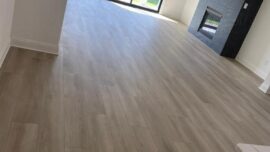
Hardwood Flooring

Four steps to expect during the Hardwood Floor installation process

Hardwood Floor Installation: What to Expect From Start to Finish

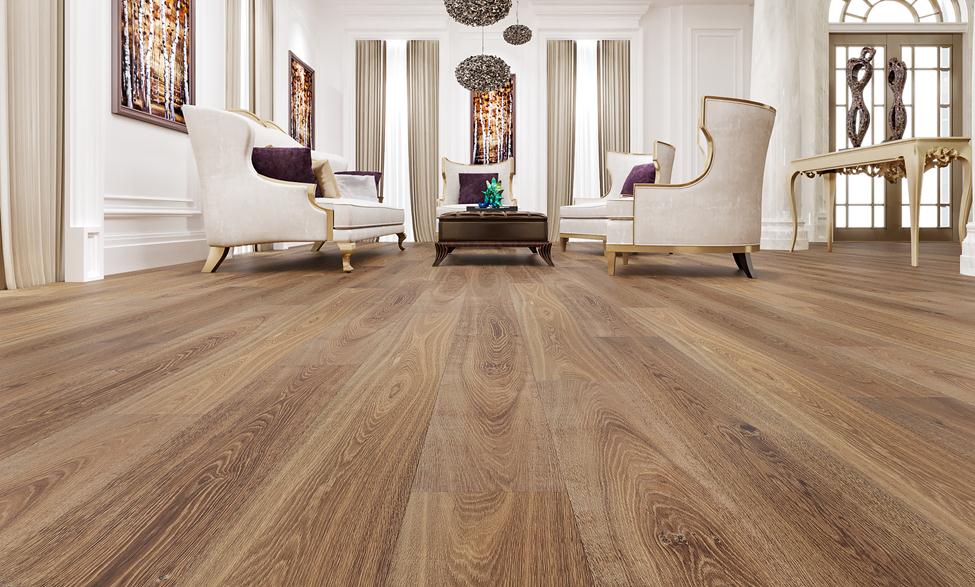
Hardwood floor installation in white oak

Considering a flooring upgrade? Choosing a new wood floor can be overwhelming with so many design, grain, and color options—but the hardwood floor installation process doesn’t have to be stressful. At GC Flooring Pros, we guide you through every step so you know exactly what to expect from your project.

Below is a clear breakdown of our four-step hardwood floor installation process.

STEP 1: Free In-Home Consultation

Every hardwood floor installation begins with a complimentary in-home visit. During your consultation, we review your style preferences, room layout, natural lighting, wall colors, and cabinet tones so we can recommend the best flooring options for your home.

We also take precise measurements and bring popular hardwood flooring samples—including different species, stains, plank widths, and patterns—to help you visualize your options.

STEP 2: Room Preparation

Once your floors are ordered, we’ll schedule your hardwood floor installation date. Before our installers arrive, the room must be cleared of furniture, décor, curtains, rugs, and fragile items.

For your convenience, GC Flooring Pros also offers optional furniture moving services—just ask during your consultation.

STEP 3: Installation

During installation, your home temporarily becomes an active construction zone. Expect noise, traffic, and some dust. We recommend covering furniture in nearby rooms to minimize dust exposure.

If your project involves pre-finished hardwood floors, installation is completed once the planks are laid. At that point, furniture can be moved back, and your new floors are ready to enjoy.

STEP 4: Staining & Finishing (For Unfinished Floors)

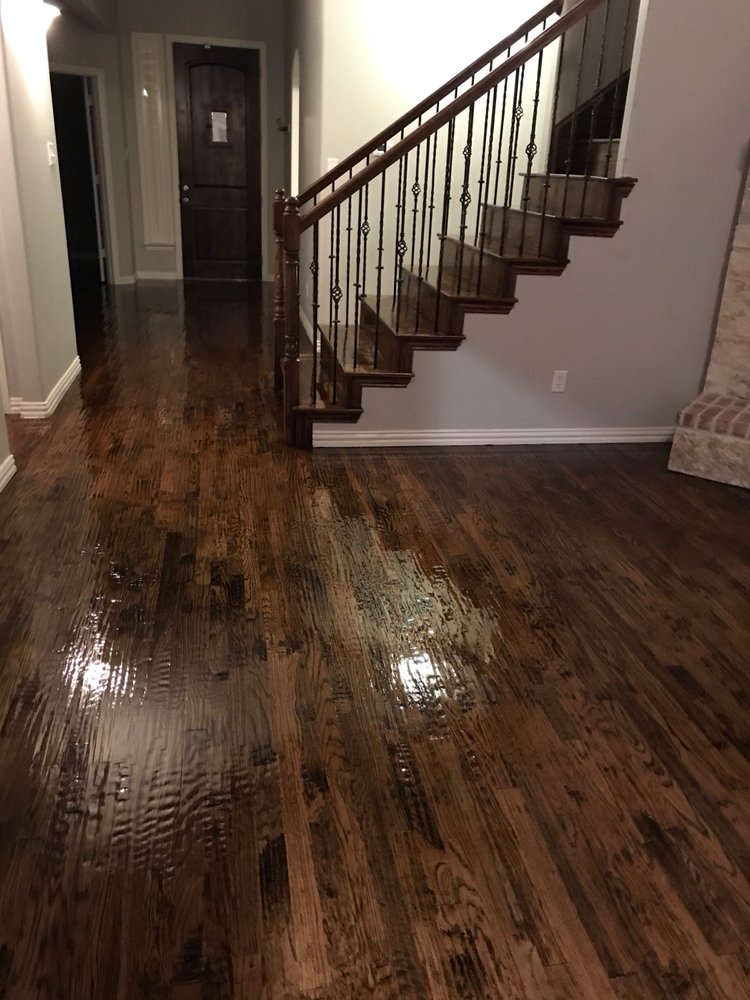
For unfinished hardwood, our team will sand, stain, and apply multiple coats of polyurethane for a smooth, durable finish. After the final coat, your floors typically require a 48-hour cure time before walking on them and moving furniture back.

We recommend applying felt pads to all furniture legs to protect your freshly finished hardwood floors from scratches.

Ready to Transform Your Home With Professional Hardwood Floor Installation?

If you’d like more details, have questions about wood species, or want to see samples in person, schedule your complimentary in-home consultation today. Our team at GC Flooring Pros is here to help bring your dream hardwood floors to life.

hardwood flooring in a bathroom
About Floors, Bathroom Flooring, Blog, Hardwood Flooring, House Renovation, Interior Design, Tips & Tricks

Can You Use Hardwood Flooring in A Bathroom?

The hardwood flooring in a bathroom can make a huge impact on the appearance and feel of your space. But you may be wondering if hardwood is right for your situation.

If you’re considering hardwood floors for a bathroom, keep these things in mind:

  • hardwoods are more susceptible to water damage
  • hardwoods may require more time and money spent on waterproofing and sealing than other types of flooring
  • hardwoods may need periodic refinishing to maintain their beauty.

But they offer a great deal of visual appeal and beautiful flooring for years on end if they’re done right.

Overall, we recommend not using hardwood flooring in bathrooms that have a shower or tub and using them with caution and preparation in powder rooms. Read on to learn more.

Hardwood Flooring In A Bathroom Can Add Elegance And Class

The appeal of hardwood floors is hard to argue with. They add a touch of elegance and class to any room. And if you’re looking for that spa-like feeling in your bathroom, hardwood floors may be just what you need.

In fact, hardwood floors are so desirable in a home that they have been shown to increase property values by up to 10%. Another interesting study by the National Association of Realtors has shown that homes with hardwood floors can sell for an average of $5,000 more than homes without. So if you are looking at the installation of hardwood floors from an investment standpoint, it would be hard to go wrong.

However, before making your decision, it’s important to consider the pros and cons of this type of flooring, especially in an area notorious for moisture.

Hardwoods Are Susceptible To Water Damage

One of the main drawbacks to hardwood flooring in a bathroom is that it is more susceptible to water damage than other types of flooring. If your bathroom is not properly sealed with polyurethane, you may find yourself with buckled and warped floors before too long.

In addition, if water does get on your hardwoods, it can cause them to swell and even rot. This is why we do not recommend hardwood floors in a bathroom that contains a shower or bath.

A hardwood floor can be damaged by water from a number of sources, including:

  • splashing or spilling on the hardwood surface itself
  • flooding caused by clogging in pipes and drains
  • condensation that forms under tiles or slabs

However, the most common problem in a bathroom setting is when water is left to stand on the hardwood surface for a long period of time from tub and shower use.

This can lead to stains and warped boards, which will eventually cause other problems for your home. 

While we don’t recommend using hardwood in a full bathroom, if you are choosing to do so, there are many different types of hardwoods available now that resist moisture a little better than traditional hardwoods like oak or maple wood. More on that below.

Hardwoods Require Proper Waterproofing 

The costs of waterproofing hardwood flooring are also something to consider.

In general, hardwood floors are naturally water-resistant. However, if your bathroom has a hardwood floor, it’s likely that the room will become wet from time to time as a result of splashing or spills on the hardwood surface. We suggest cleaning up spills immediately when they happen and not leaving puddles on the hardwood.

Polyurethane seals the wood and helps make it waterproof. It also serves as a protective coating that hardwood floors need to maintain their beauty and durability over time.

These sealers can be applied by professional hardwood flooring companies or you could choose one of the many water-based polyurethane products available at your local home improvement store and do it yourself.

Hardwoods May Need Periodic Refinishing To Maintain Their Beauty

A hardwood floor that is properly maintained and has a high-quality finish can last for up to 20 years or more before it needs to be refinished. However, if you care for your floors correctly, they will last much longer.

Refinishing hardwood floors is a big job, but it can be worth it to keep your floor looking beautiful for years to come. The basic steps to hardwood floor refinishing are:

  • sand hardwood floors with a special sander
  • apply hardwood flooring stain, if desired
  • finish by applying hardwood floor protective coating

If done correctly, this process can take anywhere from four to eight hours per room depending on the size of your space and how many coats are needed to get an even coat.

What Are The Best Wood Options for Waterproof Hardwood Floors?

Hardwoods that are the least susceptible to water damage are often hardwoods that are naturally more water-resistant. These hardwood floors may include:

  • Maple (hard, durable).
  • Hickory (very hard and dense). 
  • Red Oak Wood Flooring (moderately hard but still more resistant to water than most other types of wood flooring)

What About Engineered Hardwoods For Water Resistance?

Engineered hardwoods are great for water resistance because they are constructed from hardwood planks with a veneer of hardwood on top. The hardwood veneer provides the durability that is necessary for high-moisture areas like bathrooms, while engineered hardwoods can help you save money because they require less finishing and sealing than solid wood floors do.


Getting Help With Your Hardwood Floor Purchase

Hardwood flooring is a popular and beautiful choice for many homeowners, but it can also be difficult to choose the right style. There are so many different types of hardwood floors with so many different looks! You have to consider cost, durability, color, and finish when making your selection.

That’s why it can be helpful to get expert advice when choosing hardwood flooring for your home. A professional hardwood flooring company can help you select the right type of wood and the right finish for your specific needs and preferences. They can also give you a quote on how much the installation will cost.

GC Flooring Pros is here to help you make the best decision possible by providing you with professional advice, guidance, and recommendations based on your unique needs. We’re happy to answer any questions about our products or services at any time during your purchase process. Our experts are always available via phone call or email whenever you need them!

If you are in the Dallas, TX area and you would like hardwood flooring installed in your home, we can help with any hardwood style or finish that appeals to you. Request an in-house estimate today!


About Floors, Blog, Hardwood Flooring, House Renovation

Is Engineered Wood the Answer to Sustainable Wood Flooring?

Sustainable Wood Flooring: Eco-Friendly Choices for a Greener Home

Sustainable living is becoming a major priority for homeowners, and with good reason. Research shows that 77% of people want to live more sustainably, yet many aren’t sure where to begin. One of the most meaningful ways to make an eco-friendly impact is by choosing environmentally responsible materials inside your home—starting with your floors.

If you’re exploring sustainable wood flooring, engineered wood is one of the best ways to combine beauty, durability, and environmental stewardship. Below, we break down what engineered wood is, why it’s greener than solid hardwood, and how to select the best style for your home.

What Is Engineered Wood?

Engineered wood is a carefully manufactured flooring product designed to use less raw material while delivering the same timeless look as traditional hardwood. Each plank is built using multiple layers:

  • A plywood or recycled wood core — made from fast-growing or repurposed materials
  • A real hardwood veneer — providing the natural grain, color, and visual appeal

This layered structure not only reduces the amount of hardwood needed but also increases durability and allows the flooring to perform better in areas that experience moisture or temperature fluctuations. Compared with solid hardwood, engineered wood uses natural resources more responsibly, making it an excellent choice for homeowners committed to sustainability.

Sustainable Wood Flooring Examples

Not all wood flooring is created equal. Some materials require extensive harvesting, while others can be produced more sustainably. Common sustainable species used in engineered wood include:

  • Hickory — extremely durable and widely available
  • Pecan — strong, stylish, and sourced from fast-growing trees
  • Oak — one of the most renewable woods in North America
  • Maple — loved for its light tone and sustainability

These options are popular for engineered wood flooring installations because they maximize visual appeal while minimizing environmental impact.

Hardwood vs. Engineered Wood: Key Differences

Construction

Traditional hardwood is made from a single solid piece of wood. Engineered wood, however, is composed of multiple layers, using less hardwood per plank. A cross-section reveals the difference—engineered planks include various wood layers while hardwood shows a consistent grain throughout.

Durability & Hardiness

Contrary to common assumptions, engineered wood can be just as durable as hardwood. In some cases, it actually performs better. Engineered planks are more resistant to warping, cupping, or swelling due to their layered structure. While hardwood is easily affected by moisture, engineered wood offers enhanced stability and moisture resistance—especially important in Texas homes where humidity can fluctuate.

Additionally, engineered wood is less prone to damage during installation and everyday use. Homeowners researching differences often learn that engineered flooring’s improved moisture stability makes it suitable for more rooms in the house, including basements and kitchens.

Why Engineered Wood Is a Sustainable Wood Flooring Choice

Reduced Environmental Impact

Engineered wood minimizes how much hardwood is used by relying on recycled or fast-growing woods for its core layers. Because manufacturers can use materials that are otherwise discarded or underutilized, fewer trees are cut down while still delivering a beautiful final product.

Less Pollution During Production

The environmental benefits go beyond tree usage. Manufacturing engineered wood also reduces waste and energy consumption. For example, in traditional hardwood production, creating veneer slices generates large amounts of waste, sawdust, and emissions. Engineered wood minimizes this by cutting veneers more efficiently and using composite layers underneath.

Studies show how traditional hardwood processing contributes significantly to pollution. Engineered wood’s streamlined manufacturing process produces fewer pollutants and uses less fuel overall.

Popular Styles of Engineered Sustainable Wood Flooring

Engineered wood is not only eco-friendly—it’s also highly customizable. Homeowners can choose from a variety of formats and installation patterns to create unique and visually stunning spaces.

Plank Flooring

The most common style, plank flooring offers versatility and ease of installation. You can stagger plank lengths, vary widths, and explore endless stain options to achieve the perfect look. Its realistic wood veneer makes it almost indistinguishable from solid hardwood.

Sheet or Wide-Panel Flooring

Some engineered floors are produced as wide sheets or panels, creating a seamless appearance. These are especially popular in minimalist, modern, or Scandinavian-inspired interiors where clean lines and smooth surfaces are key.

Chevron & Herringbone Patterns

Chevron flooring is an eye-catching design created using diagonal cuts to form repeating “V” patterns. Engineered wood makes this style more accessible, stable, and cost-effective than traditional hardwood. Homeowners interested in intricate design installations can learn more about the process through our guide to hardwood installation patterns.

Why Sustainable Wood Flooring Is Worth the Switch

Choosing sustainable wood flooring is more than a design decision—it’s a smart, responsible investment. Engineered wood is:

  • More eco-friendly than traditional hardwood
  • Cost-effective with beautiful hardwood aesthetics
  • Durable and moisture resistant for everyday use
  • Versatile in style from rustic to modern designs
  • Long-lasting with proper care and refinishing

If you’re designing a greener home, engineered sustainable wood flooring offers the best blend of beauty, value, and environmental responsibility.

Start Your Sustainable Wood Flooring Project

Ready to reduce your carbon footprint while elevating your home’s style? Our team at GC Flooring Pros can help you choose, install, and care for your eco-friendly wood floors. Explore sustainable options, compare species, and schedule expert guidance for your project.

Have questions or want hands-on support? Contact our team to book your free consultation. Together, we’ll help you create a home that’s beautiful, durable, and environmentally conscious.

GC Flooring Pros, White Oak Hardwood Flooring being professionally installed with precision
About Floors, Blog, Floor Care, Hand Scraped Wood Flooring, Hardwood Flooring, How-to, Interior Design, Tips & Tricks

Four steps to expect during the Hardwood Floor Installation process

Hardwood Floor Installation Process White Oak Flooring

Hardwood Floor Installation Process: 4 Clear Steps

Thinking about upgrading to hardwood flooring but unsure where to begin? This guide breaks down the hardwood floor installation process we follow at GC Flooring Pros so you’ll know exactly what to expect. From the first consultation to the final finish, our goal is to make the hardwood floor installation process smooth, efficient, and beautifully executed.

Step 1 of the Hardwood Floor Installation: Free In-Home Consultation

We start with a complimentary in-home consultation to discuss your goals, preferences, and style. We’ll assess your space, take accurate measurements, and show samples of wood species, plank widths, and finishes. This stage ensures the hardwood floor installation process begins with clear communication and aligned expectations.

Step 2 of the Hardwood Floor Installation: Room Preparation

Before installation day, we’ll confirm your schedule and provide instructions for room preparation. You’ll remove furniture, rugs, and wall art from the area. If you’d rather not, our team offers optional furniture handling services. This step ensures a clean, dust-minimized workspace and helps the hardwood floor installation process stay on track. Maintaining a stable indoor climate (60–80°F, 30–50% humidity) allows your new flooring to acclimate properly.

Step 3 of the Hardwood Floor Installation: Professional Installation

Once prep is complete, our installers transform your space. We inspect subfloors, correct uneven spots, and test for moisture. Then we begin installation using the method best suited for your home—nail-down, glue-down, or floating. For example, see how the National Wood Flooring Association sets industry standards for installation best practices. We’ll ensure smooth transitions, tight seams, and professional detailing that defines our quality craftsmanship.

Step 4 of the Hardwood Floor Installation: Sanding, Staining & Finishing

If you’ve selected unfinished hardwood, the hardwood floor installation process continues with sanding and finishing. We’ll sample stain colors directly on your floor to match your design vision. After you approve, we apply multiple coats of high-quality polyurethane for long-term protection and shine. Once cured, we’ll guide you on when it’s safe to walk and move furniture back—typically within 48 hours.

Why Understanding the Hardwood Floor Installation Matters

  • Clarity: Knowing the hardwood floor installation helps you plan ahead and reduce stress.
  • Durability: Proper subfloor prep and moisture control increase your floor’s lifespan.
  • Design Confidence: Understanding your finish and maintenance options ensures a long-lasting look.

FAQs About the Hardwood Floor Installation Process

How long does it take? Smaller rooms can be completed in two to three days, while larger spaces or custom patterns take longer. Your project manager will provide a detailed timeline during the consultation.

Do I need to leave home? Not always. Prefinished floors let you stay home comfortably. For unfinished floors, you may want to vacate during sanding and finishing due to odor and drying time.

Can you match existing wood? Absolutely—we can custom stain or blend the new installation with your current flooring for a cohesive look.

Care Tips After the Hardwood Floor Installation Process

  • Use felt pads under furniture legs.
  • Clean using wood-safe cleaners—avoid water or steam.
  • Maintain consistent humidity to prevent seasonal gaps.
  • Place rugs near doors to capture debris and prevent scratches.

Ready to Begin Your Hardwood Floor Installation?

By now, you understand the full hardwood floor installation process—from the first visit to the final finish. Our experts at GC Flooring Pros can guide you through wood selection, layout design, and maintenance tips to make your investment last a lifetime. Explore our hardwood flooring options or book your free in-home consultation today to bring your dream floors to life.

Call (214) 814-1170 or click to schedule your complimentary estimate. Let GC Flooring Pros make your hardwood floor installation process effortless and rewarding.

Hardwood Flooring Trends in 2019

     GC Flooring Pros


Hardwood flooring is trending to be the most popular style of flooring that homeowners choose. There are several key benefits and characteristics of real wood floors: it’s timeless, comfortable, warm and attractive.

Real wood flooring makes a house a home. Homeowners choose hardwood flooring for their resilience, character and the increased value it brings to their home as floors provide a stunning backdrop to your space. If your home is on the market, the beautiful, stand out hardwood floors have a way of impressing prospective buyers.

Because hardwood flooring is a prominent feature of your home, we’ve listed a few trends that we’re seeing in 2019 that have longevity:

  • Cooler, Darker Colors: There’s a definite move away from warm tones (reds, yellow and red/brown undertones). Grey is the new, versatile “it” color and it shows no signs of slowing down. It’s neutral tones open up the many possibilities of working palettes around it and pairing its hardwood color with other elements of the room can really bring the whole look of your space together. The new “Greige” (grey+beige) color is in demand and creates a minimalist feel with the warmth of beige.
  • Elongated Tiles, Wider Planks: Planks that are 6-8” wide and 24’-48” long. This size lends to a comfortable, casual aesthetic. The wider planks also make older homes look more rustic and lend to the farmhouse appeal. In modern homes, the wide planks give it an elevated, contemporary feel.
  • White Oak – Oak accounts for approximately 80% of hardwood flooring in the USA. White Oak is a perfect choice for those wanting a minimalistic, modern look but still retaining character and beauty. Another benefit is that White Oak is easy to maintain and more water resistant than its counterpart, red oak.
  • Hardwood Cuts – More and more customers are seeing the value in rifted or quarter-sawn wood. Its linear pattern immediately draws you in and rifted hardwood expands more and contracts less, making it a great choice for those highly traffic areas such as the kitchen and living room.

If you’re looking to add or upgrade your Hardwood flooring in your home, contact GC Flooring Pros for a free in-home consultation. Click here to get started today, on elevating your home.

GC Flooring Pros
About Floors, Blog, Floor Care, Hand Scraped Wood Flooring, Hardwood Flooring, House Renovation, Recommended Blog, Tips & Tricks

Hand Scraped Hardwood Flooring

Hand Scraped Hardwood Flooring

Hand scraped hardwood flooring has become one of the most in-demand flooring choices for homeowners who want depth, character, and a rich, timeless atmosphere in their space. This style highlights the natural beauty of wood, bringing out organic grooves, texture, and warmth that machine-finished floors simply can’t imitate.

Whether you’re renovating a living room, bedroom, or entire home, hand scraped hardwood is an excellent way to add charm, craftsmanship, and visual interest. To learn more about how hand-scraped textures developed in the industry, you can also explore resources from the National Wood Flooring Association.

What Is Hand Scraped Hardwood Flooring?

Hand scraped hardwood flooring refers to wood planks that are textured by hand—traditionally using sanding tools or heavy-duty sandpaper—to create natural, uneven patterns. Today, the technique is inspired by old-world craftsmanship, where woodworkers shaped floors by hand rather than machines.

This process results in a floor with:

  • Soft ridges and subtle waves
  • Natural grooves and surface variation
  • Warmth and old-world charm
  • A uniquely distressed, handcrafted look

These textures make hand scraped hardwood flooring ideal for both modern and traditional homes. It pairs well with casual farmhouse décor, rustic cabins, and even elegant, classic interiors.

Why Homeowners Love Hand Scraped Hardwood Flooring

Beyond its beauty, the hand scraped finish offers practical benefits that make it extremely homeowner-friendly.

✔ Timeless, Authentic Character

The handcrafted look gives every plank a story. Each board shows unique markings, making the entire floor feel warm, inviting, and full of personality.

✔ Excellent at Hiding Wear & Tear

The textured surface helps disguise everyday scratches, dents, pet marks, and general traffic—making it perfect for active households with pets and kids.

✔ Highly Versatile Design Style

Hand scraped floors blend effortlessly with:

  • Contemporary homes
  • Farmhouse and rustic interiors
  • Traditional or formal spaces
  • Shabby chic and cottage-style décor

✔ Adds Warmth & Value to Your Home

This finish resembles antique craftsmanship and often increases the overall aesthetic appeal and resale value. Many buyers specifically seek out hardwood options with natural texture and depth.

Hand Scraped Hardwood vs. Other Hardwood Textures

While smooth hardwood has a sleek, polished look, hand scraped wood adds dimension and depth. Unlike wire-brushed flooring—which creates subtle linear texture—hand scraped planks feature irregular, handcrafted patterns for a historic feel.

An Artistic Finish With Natural Beauty

The hand scraped texture highlights the true beauty of wood grain. With varying lines, grooves, and patterns from plank to plank, your floor becomes a one-of-a-kind piece of art. The result is a cozy, welcoming environment that feels both historic and modern at the same time.

Professional Help for Choosing & Installing Hand Scraped Hardwood

At GC Flooring Pros, we guide you through every step—from selecting your preferred hardwood species and stain colors to installation and long-term care. With dozens of hand scraped options available, we help you choose the perfect look based on your style, lifestyle, and budget.

Our team also provides expert tips to help your floors maintain their beauty for years to come.

Contact us today for your free in-home consultation. Let’s start designing a stunning new look for your home with premium hand scraped hardwood flooring.